Planning a Milestone Anniversary Trip to Europe

Stefan Terwindt • August 30, 2026

This is a subtitle for your new post

A 25th or 50th wedding anniversary is not something you celebrate with a dinner reservation. It calls for something grander: a trip that matches the weight of the occasion. Europe, with its centuries-old cities, world-class dining, and sheer variety of landscapes, remains the most compelling stage for marking these milestones. But planning a milestone anniversary trip to Europe involves far more moving parts than booking a standard holiday. You are coordinating premium accommodations, seasonal timing, flights across multiple time zones, and experiences that feel genuinely personal rather than generic. The difference between a good trip and one you will talk about for the next decade often comes down to how thoughtfully the planning phase unfolds. This guide walks through every critical decision, from budget and destination to logistics and insurance, so you can approach the process with clarity and confidence.


Setting Your 2027 Anniversary Budget and Timeline


A realistic budget is the foundation of every successful European trip, and milestone celebrations tend to carry higher expectations. You are not just booking flights and hotels. You are investing in a specific quality of experience: private transfers, premium dining, carefully selected rooms with views that matter. Getting the numbers right early prevents painful compromises later.


Average Costs for Luxury European Travel in 2026


European travel spending has surged in recent years. Total tourist expenditure in Europe is projected to reach €800.5 billion in 2026, representing continued growth in the premium travel segment. For a couple planning a 10- to 14-day anniversary trip at a high-comfort level, expect to budget between $15,000 and $35,000 depending on destinations, travel style, and season.


Here is a rough breakdown for a 12-day trip for two:

  • Premium economy or business class transatlantic flights: $3,500 to $9,000
  • Boutique or five-star hotels (10 nights): $4,000 to $15,000
  • Private transfers and ground transportation: $1,200 to $3,000
  • Dining (mix of fine dining and local restaurants): $2,000 to $4,500
  • Experiences and excursions: $1,500 to $3,500
  • Travel insurance: $400 to $800


These figures assume shoulder-season travel in Western Europe. Peak summer in Paris or the Amalfi Coast can push hotel rates 40 to 60 percent higher. Eastern European destinations like Croatia or Slovenia offer comparable beauty at noticeably lower costs.


The 9-to-12 Month Planning Calendar


Serious milestone trips benefit from a 9- to 12-month planning runway. This is not about being overly cautious. It is about access. The best suites at iconic hotels, private cooking classes in Tuscany, and sought-after restaurant reservations often fill months in advance.


A practical timeline looks like this:

  1. 12 months out: Set your budget range and narrow destination options to two or three
  2. 9 to 10 months out: Book flights and anchor accommodations
  3. 6 to 8 months out: Reserve key experiences, restaurant bookings, and private guides
  4. 3 to 4 months out: Finalize ground transportation, travel insurance, and packing logistics
  5. 1 month out: Confirm all reservations, download offline maps, and organize documents


Starting early also gives you better access to fare sales on premium cabins. Airlines like Lufthansa and Emirates release business class inventory in waves, and early bookers secure the best routings.


Selecting the Ideal European Destination for Your Milestone


Choosing where to go is the most personal decision in the entire process. Some couples gravitate toward the classic romance of Paris or Venice. Others want something less expected: a private villa on the Dalmatian Coast or a scenic rail journey through the Swiss Alps. The right destination reflects your shared interests, your pace preferences, and what kind of memories you want to create together.


Classic Romance: Italy and France Luxury Circuits


Italy and France remain the most requested destinations for anniversary travel, and for good reason. These countries have spent centuries perfecting the art of hospitality, food, and atmosphere.


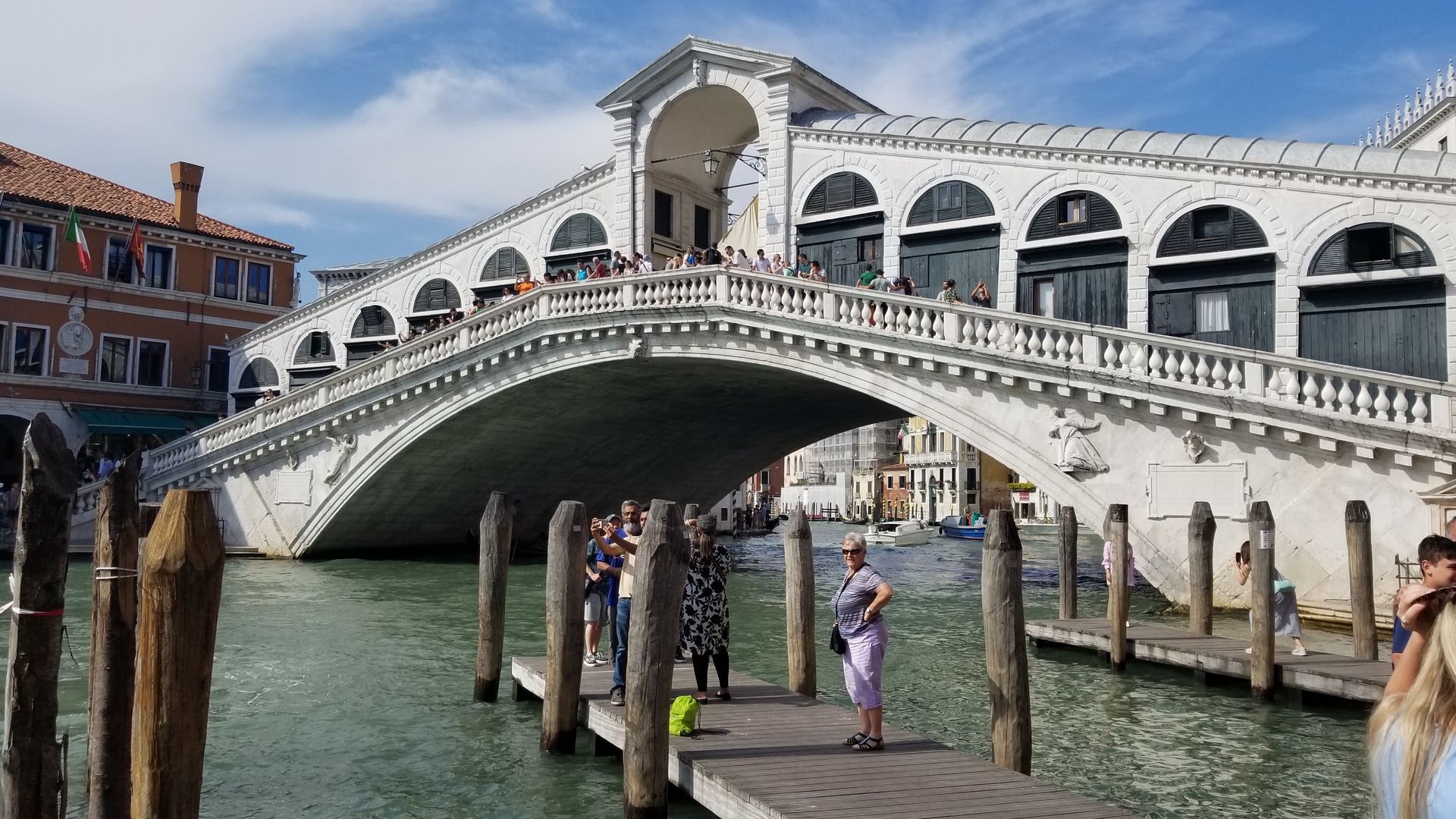
A popular Italy circuit might include three nights in Rome (exploring the Borghese Gallery and dining in Trastevere), three nights in Florence (with a day trip to the Chianti wine region), and three nights in Venice (arriving by water taxi to a canal-side hotel). France offers a similarly compelling arc: Paris for culture and gastronomy, Provence for lavender fields and rosé, and the Loire Valley for château visits and quieter rhythms.


The key with these classic routes is specificity. A generic "week in Italy" can feel rushed and touristy. A carefully selected itinerary that includes a private after-hours tour of the Vatican or a truffle-hunting excursion near Alba transforms the trip entirely. At NuVia Travel, our founder Stefan Terwindt often designs these circuits based on firsthand visits to the properties and restaurants, which makes a real difference in the quality of recommendations.


Off-the-Beaten-Path: The Dalmatian Coast and Swiss Alps


If you have already visited Paris and Rome, or if you simply prefer fewer crowds, consider less conventional destinations that still deliver at a premium level.


Croatia's Dalmatian Coast offers a compelling mix of medieval walled cities, crystal-clear Adriatic waters, and outstanding seafood. Dubrovnik gets the headlines, but the real charm lies in smaller towns like Hvar, Korčula, and the Pelješac Peninsula, where you can visit family-run wineries producing exceptional Plavac Mali reds.


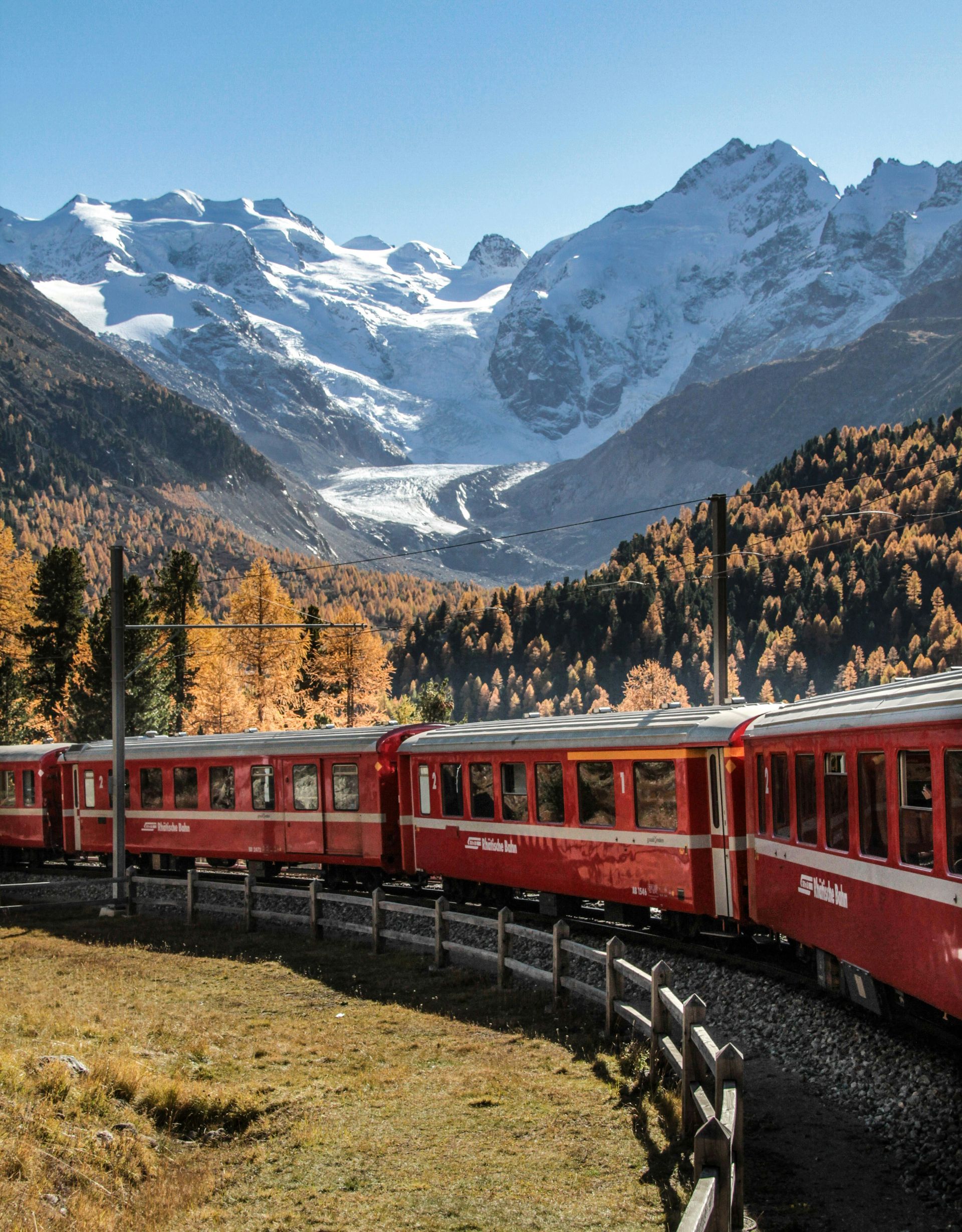
The Swiss Alps provide a completely different experience: mountain panoramas, precision rail travel, and an almost theatrical sense of grandeur. The Glacier Express route from Zermatt to St. Moritz is one of Europe's most scenic rail journeys, and towns like Grindelwald and Lauterbrunnen offer access to alpine hiking without requiring serious mountaineering skills. Five-star properties like the Badrutt's Palace in St. Moritz or The Chedi Andermatt combine Swiss precision with genuine warmth.


Evaluating Travel Styles: River Cruises vs. Private Land Tours


One of the most consequential decisions when planning an anniversary trip to Europe is how you will move between destinations. The two dominant options for milestone travelers are river cruises and private land-based itineraries. Each has distinct advantages, and the right choice depends on your personality as a couple.


A Comparison Framework for All-Inclusive vs. Bespoke Itineraries


River cruises appeal to travelers who want to unpack once, wake up in a new city each morning, and have meals, excursions, and logistics handled for them. There is no driving, no map-reading, no searching for parking in unfamiliar cities. The ship docks in the heart of town, and you walk off to explore.


Private land tours offer more flexibility. You choose exactly where to stay, how long to linger, and what to skip. A bespoke itinerary lets you spend an extra afternoon in a Burgundy village because the wine was too good to leave, or swap a museum visit for a long lunch. The tradeoff is more active decision-making and slightly more logistical complexity.


Consider these factors when deciding:

  • Pace preference: River cruises move on a fixed schedule. Land tours adapt to your energy.
  • Social comfort: Cruises involve shared dining and group excursions. Land tours are entirely private.
  • Budget transparency: Cruises bundle most costs upfront. Land tours require more line-item budgeting.
  • Physical accessibility: Ships offer consistent, level surfaces. Land tours may involve cobblestones, stairs, and varied terrain.


For many couples celebrating a 25th or 50th anniversary, a hybrid approach works well: a seven-night river cruise paired with three or four nights at a single destination before or after.


Top-Rated Suppliers: AmaWaterways, Avalon, Viking, and Belmond Trains


The supplier you choose shapes the entire experience. Here are three that consistently earn high marks from milestone travelers:

AmaWaterways and Avalon operate 170-passenger ships on Europe's major rivers. Their staterooms are among the largest in the industry, and their partnership with the Adventures by Disney brand has expanded their appeal. Wine-themed sailings on the Rhône and Douro are particularly well-suited to anniversary celebrations.


Viking River Cruises remains the market leader in European river cruising, with an extensive fleet and itineraries covering the Rhine, Danube, Seine, and more. Their ships carry 190 passengers and maintain a consistently high standard of Scandinavian-inspired design and included excursions.


Belmond offers a different kind of travel entirely. Their Venice Simplon-Orient-Express train journey from London to Venice is one of Europe's most iconic travel experiences. The restored 1920s carriages, formal dinner service, and overnight journey through the Alps create a sense of occasion that few other experiences can match. Expect to pay $3,500 to $6,000 per person for a one-way journey, but the memory is permanent.


Booking Premium Logistics and Milestone Accommodations


The logistics of a European anniversary trip deserve as much attention as the destinations themselves. How you fly, where you sleep, and how you move between cities can either enhance or undermine the entire experience. This is where careful planning pays its highest dividends.


Strategic Airfare: Utilizing Emirates and Lufthansa Premium Cabins


Transatlantic flights set the tone for your trip. Arriving exhausted after nine hours in a cramped economy seat is a poor start to a milestone celebration. Business class is not merely about comfort; it is about arriving rested and ready to enjoy your first evening in Europe.


Emirates offers some of the most competitive business class fares from the United States to Europe, particularly through connections in Dubai. Their A380 business class product includes lie-flat seats, onboard lounge access, and a level of service that feels genuinely celebratory. Routing through Dubai adds a few hours but can save $1,500 to $2,500 per person compared to nonstop business class fares.


Lufthansa provides a strong nonstop option from major U.S. hubs to Frankfurt and Munich, with easy connections throughout Europe. Their Allegris business class cabin, introduced in 2024, features improved privacy screens and direct aisle access from every seat. For couples based in the southeastern United States, Lufthansa's Atlanta-Frankfurt route is particularly convenient.


Booking 9 to 11 months in advance typically yields the best availability. Set fare alerts through Google Flights or ExpertFlyer, and be flexible on departure day: Tuesday and Wednesday departures often run $300 to $600 less per ticket than weekend flights.


Iconic Stays: Four Seasons Paris and Hotel Cipriani Venice


Your hotel is not just a place to sleep. On a milestone trip, it becomes part of the story. Two properties consistently stand out for anniversary travelers in Europe.


The Four Seasons Hotel George V in Paris occupies a 1928 Art Deco building steps from the Champs-Élysées. Its three Michelin-starred restaurants, Jeff Leatham floral arrangements, and attentive staff create an atmosphere of refined celebration. Request a room overlooking the inner courtyard for the quietest experience. Rates for a superior room start around €1,200 per night in shoulder season.


Hotel Cipriani in Venice sits on Giudecca island, a five-minute private boat ride from St. Mark's Square. This distinction matters: you get the proximity to Venice's historic center without the noise and crowds. The hotel's saltwater pool, Cip's Club restaurant overlooking the lagoon, and Olympic-sized pool surrounded by gardens make it feel like a private retreat within one of the world's busiest cities. Expect rates from €1,500 per night for a double room in peak season.


If these properties exceed your budget, excellent alternatives exist. The Hotel Lutetia in Paris (recently restored) and the Gritti Palace in Venice both deliver exceptional quality at slightly lower rates.


Curating Once-in-a-Lifetime Anniversary Experiences


The experiences you build into your itinerary are what transform a premium trip into something deeply personal. Hotels and flights create comfort; experiences create meaning.


Private access is the common thread in the best anniversary experiences across Europe. A private after-hours visit to the Sistine Chapel, available through select operators for approximately €350 per person, lets you stand beneath Michelangelo's ceiling without a single other visitor in the room. A private gondola serenade in Venice at sunset costs around €150 and lasts 30 minutes, but the memory is worth far more than the fee.


Food and wine experiences consistently rank among the most memorable elements of European anniversary trips. Consider a private cooking class in a Tuscan farmhouse, where you spend the morning shopping at a local market in Greve in Chianti and the afternoon preparing a four-course meal with a local chef. In Burgundy, a private tasting at Domaine Romanée-Conti (if you can secure an invitation) or a more accessible visit to Domaine Faiveley in Nuits-Saint-Georges offers a deep connection to the region's winemaking heritage.


For couples who want a dramatic centerpiece moment, a hot air balloon ride over Cappadocia (if you extend to Turkey) or a helicopter transfer from Nice to Monaco creates an unforgettable highlight. In Switzerland, a private sunset dinner at the Piz Gloria revolving restaurant atop the Schilthorn, the filming location for a James Bond film, combines spectacle with genuine alpine beauty.


Stefan Terwindt and the NuVia Travel team often build these kinds of signature moments into anniversary itineraries, drawing on relationships with local operators that are not available through standard booking platforms. Having an advisor who speaks the local language and has visited the venues firsthand makes the vetting process far more reliable.


Essential Travel Insurance and Contingency Requirements


Travel insurance is the least glamorous part of planning a European anniversary trip, and also one of the most important. A medical emergency, flight cancellation, or lost luggage can derail even the most thoughtfully planned itinerary. Proper coverage turns a potential disaster into a manageable inconvenience.


For a premium European trip, look for a policy that includes at minimum:

  • Trip cancellation and interruption coverage equal to your total nonrefundable costs
  • Emergency medical coverage of at least $100,000 (Medicare does not cover you abroad)
  • Emergency medical evacuation coverage of at least $250,000
  • Baggage loss and delay coverage
  • 24/7 travel assistance hotline


Providers like Allianz Travel Insurance, Travel Guard, and Berkshire Hathaway Travel Protection offer comprehensive plans in the $400 to $800 range for a two-week European trip. "Cancel for any reason" (CFAR) upgrades typically add 40 to 50 percent to the base premium but provide the most flexibility, allowing you to cancel up to 48 hours before departure and receive 75 percent reimbursement.


Purchase your policy within 14 to 21 days of your first trip deposit to qualify for pre-existing medical condition waivers. This timing requirement catches many travelers off guard, so set a calendar reminder when you make your first booking.


Beyond insurance, build practical contingencies into your itinerary. Keep digital copies of your passports, insurance cards, and hotel confirmations in a secure cloud folder. Carry a backup credit card from a different bank in case your primary card is compromised. And leave at least one "buffer day" in your schedule with no fixed plans, so a delayed flight or a rainy afternoon does not cascade into missed reservations.


A milestone anniversary trip to Europe deserves protection that matches the investment you have made in planning it. The cost of insurance is modest relative to the total trip budget, and the peace of mind it provides allows you to focus entirely on enjoying the celebration.


Your anniversary trip should feel as intentional as the years you have spent building a life together. The planning process, done well, is part of the gift: every detail considered, every experience selected with purpose, every logistic handled so you can simply be present with each other. If the complexity of coordinating flights, hotels, experiences, and contingencies across multiple European cities feels overwhelming, that is exactly the kind of challenge a dedicated travel advisor can take off your plate. Start your custom journey with a team that knows these destinations, these suppliers, and the difference between a good trip and one that truly honors the milestone.
Let's Plan Your Milestone Trip
Triptych of travel scenes: Colosseum, Florence cathedral, and Venice canal at sunset
By Stefan Terwindt August 21, 2026
Plan the perfect 10-day trip with our guide on how many days you actually need in Rome, Florence, and Venice to balance sightseeing with authentic Italian life.
By Stefan Terwindt August 21, 2026
Choosing between Portugal or Spain for a first trip to Southern Europe is one of the most common questions we hear from travelers planning their initial journey across the Atlantic. Both countries share the Iberian Peninsula, yet they offer distinctly different experiences in terms of scale, cost, culture, and cuisine. The right choice depends on your travel style, your timeline, and what you hope to feel when you return home. Whether you have ten days or three weeks, understanding the practical differences between these two destinations will help you plan a trip that fits your pace and priorities rather than leaving you overwhelmed by too many options. Evaluating Portugal vs. Spain: A 2027 Travel Framework Comparing Portugal and Spain requires more than reading a few blog posts about Lisbon nightlife or Barcelona architecture. These are two sovereign nations with distinct languages, currencies of pride (though both use the euro), and radically different approaches to daily life. A useful framework starts with three practical questions : How much ground do you want to cover? How complex are the logistics? And how comfortable are you with a country where English is not always the default? Spain is the larger, more internationally recognized destination. The country received 42.5 million international travelers in the first half of 2025 alone, representing a 13.3% increase over the prior year. That popularity means excellent infrastructure but also significant crowds at peak sites . Portugal, by contrast, draws roughly a quarter of Spain's visitor numbers, which translates to shorter lines, more authentic local interactions, and a pace that suits travelers who prefer depth over breadth. Size and Scale: 35,000 Square Miles vs. 195,000 Square Miles Portugal is roughly the size of the U.S. state of Indiana. Spain is more than five times larger, comparable to Texas. This distinction matters enormously for first-time visitors to Southern Europe. In Portugal, you can visit Lisbon, take a day trip to the fairy-tale palaces of Sintra, spend two nights in the Douro Valley wine region, and finish in Porto, all within a single week without feeling rushed. The distances between major points of interest rarely exceed three hours by car or train. For couples or retirees who prefer a relaxed pace, this compact geography is a genuine advantage. Spain demands more planning and more transit time. A trip from Madrid to Seville covers roughly 530 kilometers. Adding Barcelona means either a domestic flight or a lengthy train ride across the country. You can absolutely build a wonderful Spanish itinerary, but it requires more careful scheduling, and first-time international travelers sometimes underestimate how tiring constant movement becomes after the first week. Ease of Logistics: Comboios de Portugal vs. Renfe AVE High-Speed Rail Spain's Renfe AVE high-speed rail network is one of Europe's finest. The Madrid-to-Seville route takes just 2.5 hours at speeds exceeding 300 km/h. Connections between Madrid, Córdoba, Málaga, and Barcelona are frequent and reliable. If you are comfortable booking train tickets online (Renfe's website has improved significantly in recent years), Spain's rail system makes multi-city itineraries practical. Portugal's Comboios de Portugal (CP) network is smaller and slower but perfectly adequate for the country's compact size. The Lisbon-to-Porto Alfa Pendular service covers the distance in about 2 hours and 40 minutes. Regional trains connect smaller cities like Coimbra and Aveiro. The system is less complex to figure out, which matters if you are managing logistics for the first time in a foreign country. For travelers who prefer not to handle train bookings and airport transfers independently, working with a travel advisory like NuVia Travel can remove that friction entirely. Stefan Terwindt has planned itineraries across both countries extensively, often recommends Portugal for clients who want a less stressful introduction to European rail travel. Budget and Cost Comparison: Daily Spend Expectations Money is not everything, but it shapes what kind of trip you can realistically build. Both Portugal and Spain offer strong value compared to destinations like France, Switzerland, or Scandinavia, yet there are meaningful differences between the two. Average Daily Costs: Why Portugal Remains 15-20% More Affordable A comfortable daily budget in Portugal for two travelers, covering a quality hotel, meals at local restaurants, transportation, and one activity or entrance fee, runs approximately €300 to €500 per day in 2026. The same standard of experience in Spain typically costs €400 to €700 per day. That 15-20% gap adds up quickly over a ten-day trip. Dining is where Portugal's affordability becomes most noticeable. A full dinner for two with wine at a respected Lisbon restaurant might cost €50 to €70. A comparable meal in Madrid or Barcelona often runs €70 to €100. Coffee, pastries, and casual lunches follow a similar pattern. A pastel de nata with an espresso at a Lisbon cafe costs under €3. The Spanish equivalent, a café con leche with a pastry, runs closer to €4 to €5 in major cities. Wine is another area where Portugal punches above its weight. A bottle of excellent Douro red at a restaurant might cost €15 to €25. Spanish Rioja of similar quality often starts at €20 to €35 in restaurant settings. Accommodation Value: Pousadas de Portugal vs. Paradores of Spain Both countries operate government-affiliated networks of historic properties converted into hotels. Spain's Paradores and Portugal's Pousadas occupy castles, monasteries, and palaces, offering character and history that chain hotels simply cannot match. Spain operates roughly 97 Paradores across the country. Nightly rates typically range from €200 to €500 depending on location and season. The Parador de Granada, set within the Alhambra complex itself, is one of the most sought-after hotel rooms in all of Europe. Portugal's Pousada network is smaller, with around 35 properties. Rates tend to run €150 to €300 per night, making them slightly more accessible. The Pousada de Óbidos, housed inside a medieval castle in a walled town north of Lisbon, is a particular favorite among NuVia Travel clients celebrating anniversaries or milestone birthdays. Both networks reward advance booking. If a Pousada or Parador stay appeals to you, reserving three to six months ahead is wise, especially for the most popular properties during spring and fall shoulder seasons. Cultural Identity and Heritage Sites Portugal's Maritime Legacy and Manueline Architecture Portugal's cultural identity is inseparable from the sea. The Age of Discovery, when Portuguese explorers charted routes to India, Brazil, and the Spice Islands, left a permanent mark on the country's architecture, cuisine, and national character. You will feel this most powerfully in Belém, a Lisbon neighborhood where the Jerónimos Monastery and the Tower of Belém stand as monuments to that era. Manueline architecture, a uniquely Portuguese style from the late 15th and early 16th centuries, blends Gothic structure with maritime motifs: ropes, coral, anchors, and armillary spheres carved into stone. The Monastery of Batalha, about 120 kilometers north of Lisbon, is one of the finest examples. Its Unfinished Chapels are open to the sky, creating an effect that photographs cannot fully capture. Fado music is another pillar of Portuguese identity. Originating in Lisbon's Alfama district, fado is a genre built on saudade, a word with no direct English translation that conveys longing, melancholy, and bittersweet memory. Hearing fado performed live in a small Alfama restaurant is one of the most emotionally resonant experiences available to travelers in Southern Europe. Spain's Moorish History and UNESCO Icons like the Alhambra Spain's cultural layers run extraordinarily deep. Nearly 800 years of Moorish rule (711 to 1492) left architectural and culinary influences that distinguish Spain from every other Western European country. The Alhambra in Granada, with its intricate geometric tilework and serene courtyards, remains one of the most visited monuments on the continent. Tickets regularly sell out weeks in advance, so planning ahead is essential. Spain holds 49 UNESCO World Heritage Sites, the third-highest count of any nation on earth. From the Sagrada Família in Barcelona to the historic center of Córdoba, these sites span Roman, Moorish, Gothic, and modernist traditions. A single trip cannot cover them all, which is precisely why many travelers return to Spain multiple times. The regional diversity of Spanish culture is also striking. Catalonia, the Basque Country, Andalusia, and Galicia each maintain distinct languages, cuisines, and traditions. This variety is a strength, but it also means that a trip focused solely on Madrid and Barcelona will miss much of what makes Spain genuinely interesting. Culinary Landscapes and Nightlife Vibes Food is often the deciding factor for travelers choosing between these two countries, and both deliver experiences that will reshape how you think about European cuisine. The Tapas Culture vs. Hearty Atlantic Seafood Traditions Spain's tapas tradition is famous for good reason. The ritual of moving between bars, ordering small plates of jamón ibérico, patatas bravas, gambas al ajillo, and croquetas, is one of the great pleasures of European travel. In cities like San Sebastián, the Basque version called pintxos reaches an art form, with bars displaying dozens of small bites on toothpicks along the counter. San Sebastián holds more Michelin stars per capita than almost any city in the world. Portugal's culinary identity is more focused and Atlantic-driven. Bacalhau (salt cod) is the national obsession, prepared in reportedly over 365 different ways. Grilled sardines are a summer staple, especially during Lisbon's June festival of Santo António. The seafood rice dishes, particularly arroz de marisco, are rich, saffron-tinged, and deeply satisfying. Spanish nightlife starts late. Dinner at 10 PM is standard, and bars stay open well past midnight even on weekdays. If you are accustomed to eating at 6:30 PM and winding down by 9, this rhythm requires adjustment. Portugal's dining schedule is earlier by comparison, with most restaurants filling between 7:30 and 9 PM, a pace that many first-time visitors to Southern Europe find more comfortable. Best Regional Routes for First-Time Visitors A great itinerary is not about seeing the most. It is about seeing the right things at the right pace. Both countries offer logical routes that minimize backtracking and maximize variety. The Lisbon-Sintra-Porto Triangle via TAP Air Portugal TAP Air Portugal operates direct flights from several major U.S. cities, including Newark, Boston, Miami, and Washington Dulles, with Lisbon as its hub. This makes Portugal exceptionally convenient for American travelers. You land in Lisbon, and your trip begins immediately. A strong seven-to-ten-day Portugal itinerary might look like this: Three nights in Lisbon: Alfama, Belém, and the Time Out Market One day trip to Sintra for the Pena Palace and Quinta da Regaleira Two nights in the Douro Valley for wine tastings and river views Two to three nights in Porto for port wine cellars, the Livraria Lello bookshop, and the Ribeira waterfront Optional extension to the Algarve coast for two nights of beach time This route works beautifully by train and rental car. The distances are short, the logistics are straightforward, and the variety between urban, rural, and coastal settings keeps the trip feeling fresh. The Madrid-Seville-Barcelona Route via Iberia Airlines Iberia Airlines and its low-cost subsidiary Iberia Express connect Spain's major cities efficiently. A classic first-time Spain route covers three distinct regions: Three nights in Madrid: the Prado Museum, Retiro Park, and the neighborhoods of Malasaña and La Latina Two to three nights in Seville: the Alcázar, the Cathedral, and flamenco performances in Triana Optional one night in Córdoba en route (the Mezquita alone justifies the stop) Three nights in Barcelona: the Sagrada Família, Park Güell, and the Gothic Quarter This itinerary covers roughly 12 to 14 days if you include Córdoba and allow for a relaxed pace. The Madrid-to-Seville AVE train is fast and comfortable. The Seville-to-Barcelona leg is best handled by a short domestic flight, as the train connection is indirect. The trade-off is clear: Spain's route covers more ground and more cultural variety, but it also demands more energy and more transit days. Portugal's triangle is tighter, simpler, and better suited to travelers who want to unpack once or twice and settle into a rhythm. The Final Verdict: Which Country Fits Your Travel Style? Portugal is the better choice if you want a compact, manageable first experience in Southern Europe. The country rewards slow travel, offers excellent value, and presents fewer logistical challenges. Its food is hearty and honest, its people are warm, and its scale means you will not spend half your trip on trains and planes. For couples celebrating a milestone or retirees making their first transatlantic journey, Portugal delivers a deeply satisfying trip without the overwhelm. Spain is the right pick if you have at least 12 days, you enjoy variety and stimulation, and you are comfortable with a faster pace. The cultural depth is staggering, the food scene is world-class, and the regional differences between Andalusia, Catalonia, and Castile make it feel like visiting three countries in one. Spain rewards repeat visits, so even if you do not see everything the first time, you will have a strong foundation to build on. Neither choice is wrong. Both countries will change how you think about food, history, and daily life. The question is simply which experience matches where you are right now as a traveler. If you are ready to start shaping your first Southern European itinerary with an advisor who knows both countries intimately, Start Your Custom Journey with NuVia Travel. We will handle the logistics, vet the hotels, and build a trip paced to how you actually want to travel.
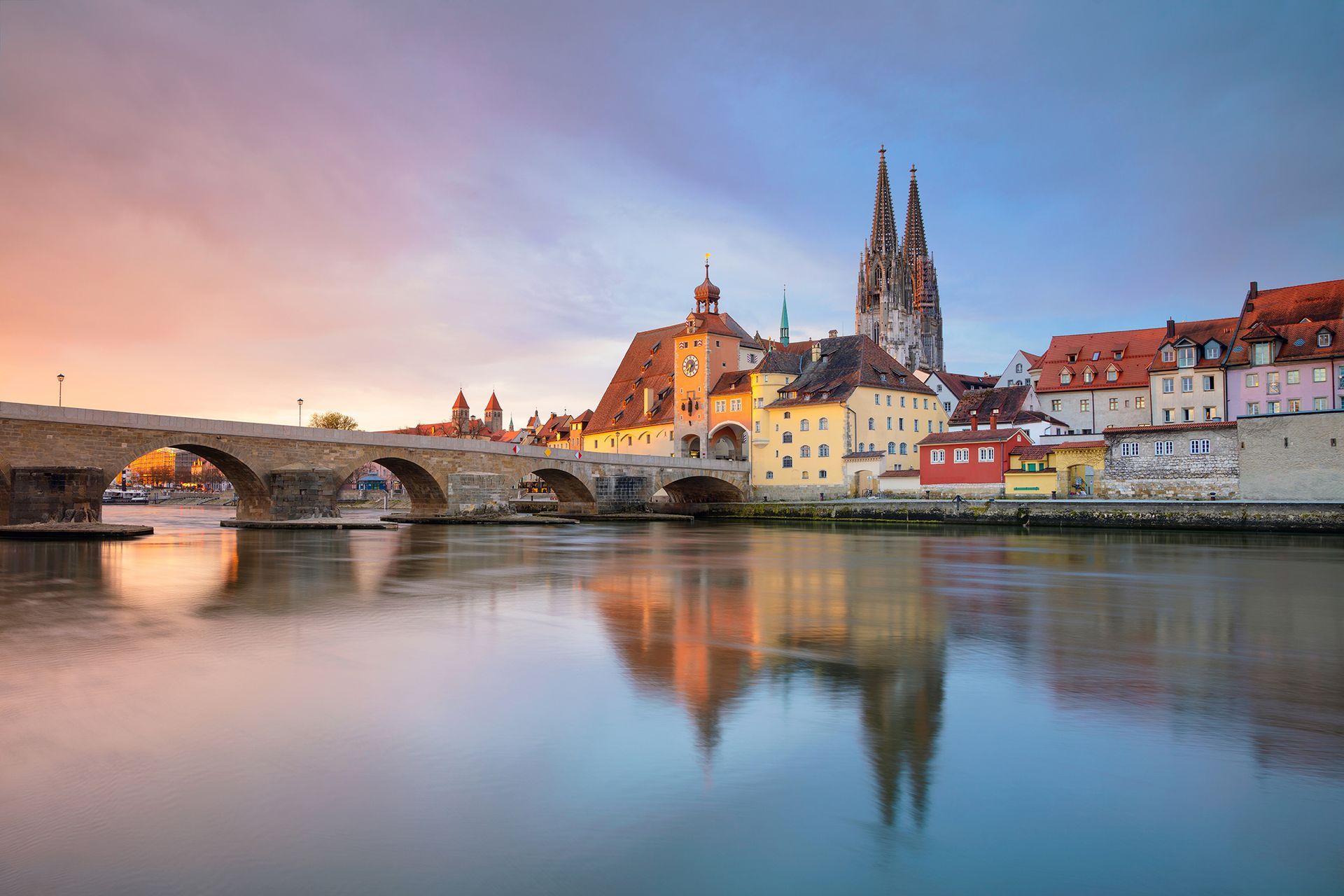
Riverside town with twin church spires, colorful buildings, and boats on a cloudy day
By Stefan Terwindt August 20, 2026
Compare castles, capitals, and costs to decide between the Rhine or Danube for a first European river cruise with this expert guide to lines and itineraries.
Red telephone booth near Big Ben on a busy London street
By Stefan Terwindt August 18, 2026
Learn how to plan a 10-day Europe trip without overpacking the itinerary using the 3-city rule and 50/30/20 framework to maximize your sightseeing time.
Woman in a straw hat overlooking Florence skyline and the Arno River from a viewpoint
By Stefan Terwindt August 14, 2026
Learn how far ahead to book a 2027 Europe trip with this expert guide on flight release windows, hotel deadlines, and peak season reservation strategies.
Woman dining by a canal, looking toward a domed cathedral in Venice
By Stefan Terwindt August 14, 2026
Plan your 2027 luxury getaway with our detailed breakdown of what a custom Europe trip actually costs, covering daily benchmarks for premium accommodations.
Tourists overlooking Florence from a cruise ship dock, with a large ship beside the city skyline.
By Stefan Terwindt August 10, 2026
Decide if professional planning fits your budget by learning when hiring a travel advisor pays off for a Europe trip, and when it doesn’t, based on your needs.
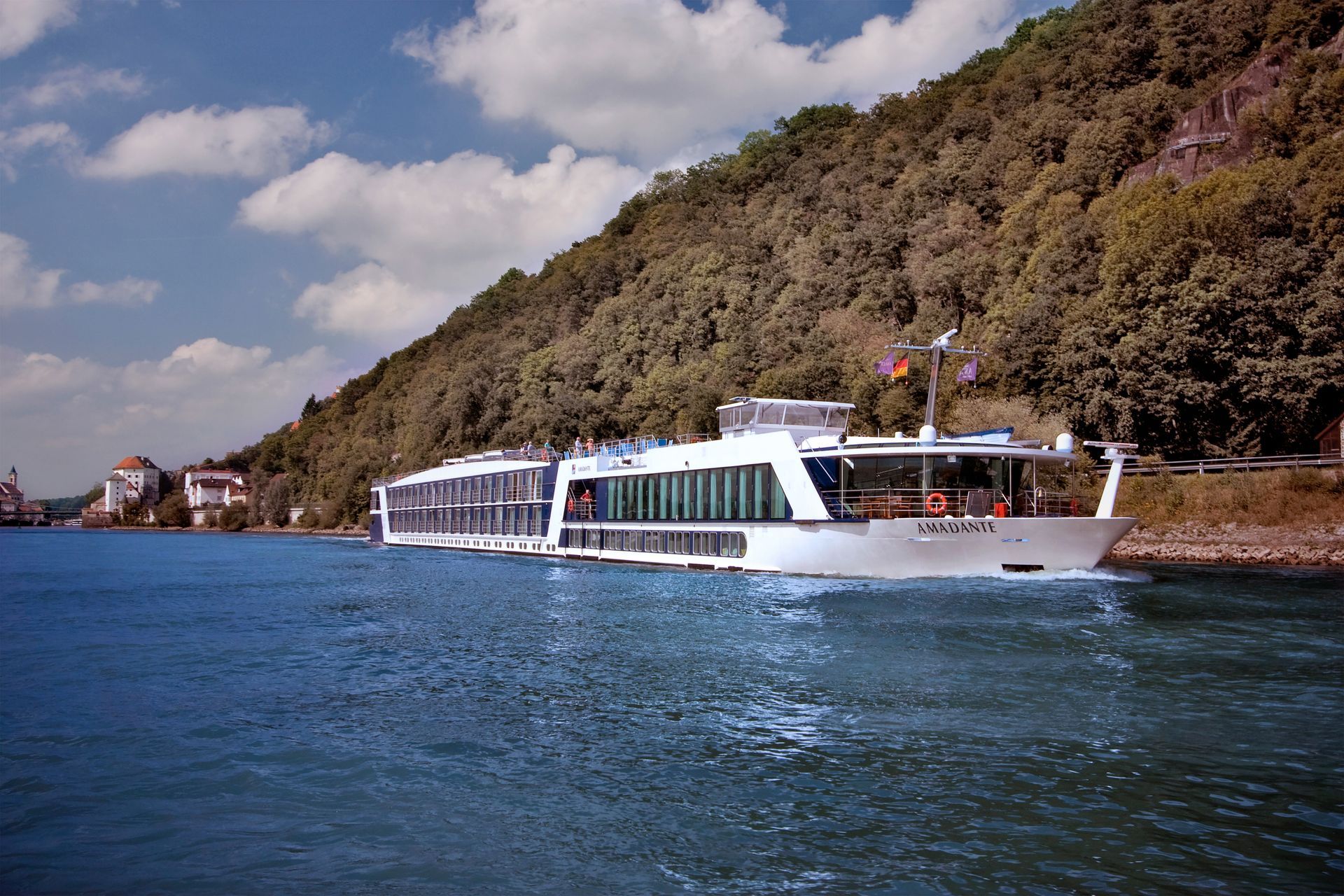
White river cruise boat on a wide blue river beside a green hillside and riverside town
By Stefan Terwindt August 2, 2026
Experience the continent’s hidden gems and medieval landscapes at a slower pace by booking a river cruise to explore Europe’s most iconic waterways today.
Person overlooking the Seine and a stone bridge with the Louvre and cathedral in the background
By Stefan Terwindt August 2, 2026
Learn how to plan a multi-country Europe trip with our expert framework for managing logistics, transit, and budgets to ensure a stress-free adventure.
Elegant marble hallway with ornate golden ceilings, tall columns, and lush potted palms
By Stefan Terwindt July 30, 2026
Discover the best boutique hotels in Europe for 2026. Ditch generic 5-star chains for authentic luxury, unique character, and unforgettable local experiences.