Plan a Multi-Country Europe Trip: 2026 Premium Strategy
What if the most sophisticated way to see the continent isn't by counting passport stamps, but by measuring the quality of the moments between them? You've likely spent hours researching how to plan a multi country trip to Europe only to find yourself overwhelmed by the sheer volume of logistics involved. It's a common frustration; the dream of a seamless journey often gets buried under the weight of coordinating private drivers, flight connections, and high-end accommodations across multiple borders.
You probably agree that a true vacation should reduce your mental load, not increase it. This guide promises to help you master the logistics of sophisticated travel, showing you how to balance your independence with expert-level curation. We'll preview the 2026 premium strategy for creating an itinerary that flows logically, including how to secure exclusive boutique stays and private experiences that keep you far away from the typical tourist traps.
Key Takeaways
- Adopt the "Anchor and Spoke" method to create a sophisticated itinerary that focuses on one primary cultural region before branching out into neighboring countries.
- Discover how to plan a multi country trip to Europe using the "3-Night Rule" to protect your time and ensure every city feels like a meaningful destination rather than a rushed stopover.
- Replace the logistical overwhelm of DIY booking with a curated independent approach that preserves your personal freedom while a meticulous architect manages the complex details.
- Evaluate the 2026 rail expansions to determine when high-speed trains offer a more seamless, city-center experience than private drivers or short-haul flights.
Table of Contents
- Designing the Architecture of a Multi-Country European Itinerary
- Self-Guided European Tours vs. Curated Independent Travel
- Mastering the Logistics: Connecting Countries with Seamless Sophistication
Designing the Architecture of a Multi-Country European Itinerary
Successful travelers understand that learning how to plan a multi country trip to Europe is less about geography and more about architecture. We utilize the "Anchor and Spoke" method to ensure every journey feels intentional rather than accidental. You select one primary cultural region as your anchor, then branch out to neighboring areas that share a logical connection. This strategy allows for deep immersion without the exhaustion of constant relocation. Logistical flow is the art of minimizing transit time to maximize cultural immersion.
To maintain a premium pace, we recommend the 3-Night Rule. Spending a minimum of three nights in each city prevents the fatigue of constant checking in and out that often ruins high-end vacations. It gives you the necessary breathing room to balance iconic landmarks with boutique regions. For instance, you might pair the grand architecture of Paris with the private vineyards of the Loire Valley, blending world-class city life with intimate, high-end escapes.
The Problem with the "Bucket List" Approach
Attempting to check off five countries in ten days is a recipe for "vacation amnesia." You'll likely remember the transit hubs better than the art or the food. Instead of a scattered approach, focus on geographic clusters like the Benelux region or the Central European capitals of Prague, Vienna, and Budapest. This method turns a chaotic marathon into a sophisticated sequence of experiences, allowing you to actually enjoy the culture you've traveled so far to see.
Seasonal Pacing for 2026
For 2026, timing is a critical component of your logistical architecture. We prioritize the shoulder seasons, specifically May, June, or September, to navigate border crossings and transit hubs without the summer crowds. Be mindful of the 2026 Schengen entry requirements, as the ETIAS system will be fully operational. Planning your movement around these logistical milestones ensures your transition between countries remains as seamless as the stays themselves.
Self-Guided European Tours vs. Curated Independent Travel
Many travelers mistake a self-guided tour for a series of disconnected bookings. The reality of DIY planning often involves a chaotic mix of individual train tickets, various hotel vouchers, and localized transit apps. This creates a heavy mental load that persists throughout your journey. We believe in curated independence instead. This approach provides the freedom of a solo journey without the logistical risk of managing every moving part yourself. It's the "this without that" dynamic: you enjoy a private guided tour of the Vatican without the hassle of navigating the massive crowds alone.
The role of a meticulous architect is to preserve your sense of discovery while removing the friction. Understanding how to plan a multi country trip to Europe requires moving beyond simple ticket buying; it's about professional coordination that honors your time. For those seeking this level of precision, exploring Custom Europe Itineraries is the first step toward a truly seamless journey.
The Hidden Costs of DIY Multi-Country Planning
DIY planning often feels like a second job. Managing four different hotel check-ins and three country-to-country transitions consumes hours of your actual vacation. There is also the "points-only" trap to consider. Many luxury travelers sacrifice a prime location in a historic district just to use loyalty points at a generic corporate chain. It's a compromise that often costs you the soul of the destination, forcing you into long commutes that eat away at your cultural immersion.
Why "Independent" Doesn’t Have to Mean "Alone"
Independence shouldn't equate to isolation. Private guided tours act as your cultural translators during a multi-country journey, providing context that a guidebook simply cannot offer. They bridge the gap between being a spectator and an insider. Similarly, boutique hotel bookings provide a more authentic sense of place than international chains. You get the intimacy of a small-scale, high-end stay without the unpredictability of unvetted rentals, ensuring your experience remains sophisticated and secure.
Mastering the Logistics: Connecting Countries with Seamless Sophistication
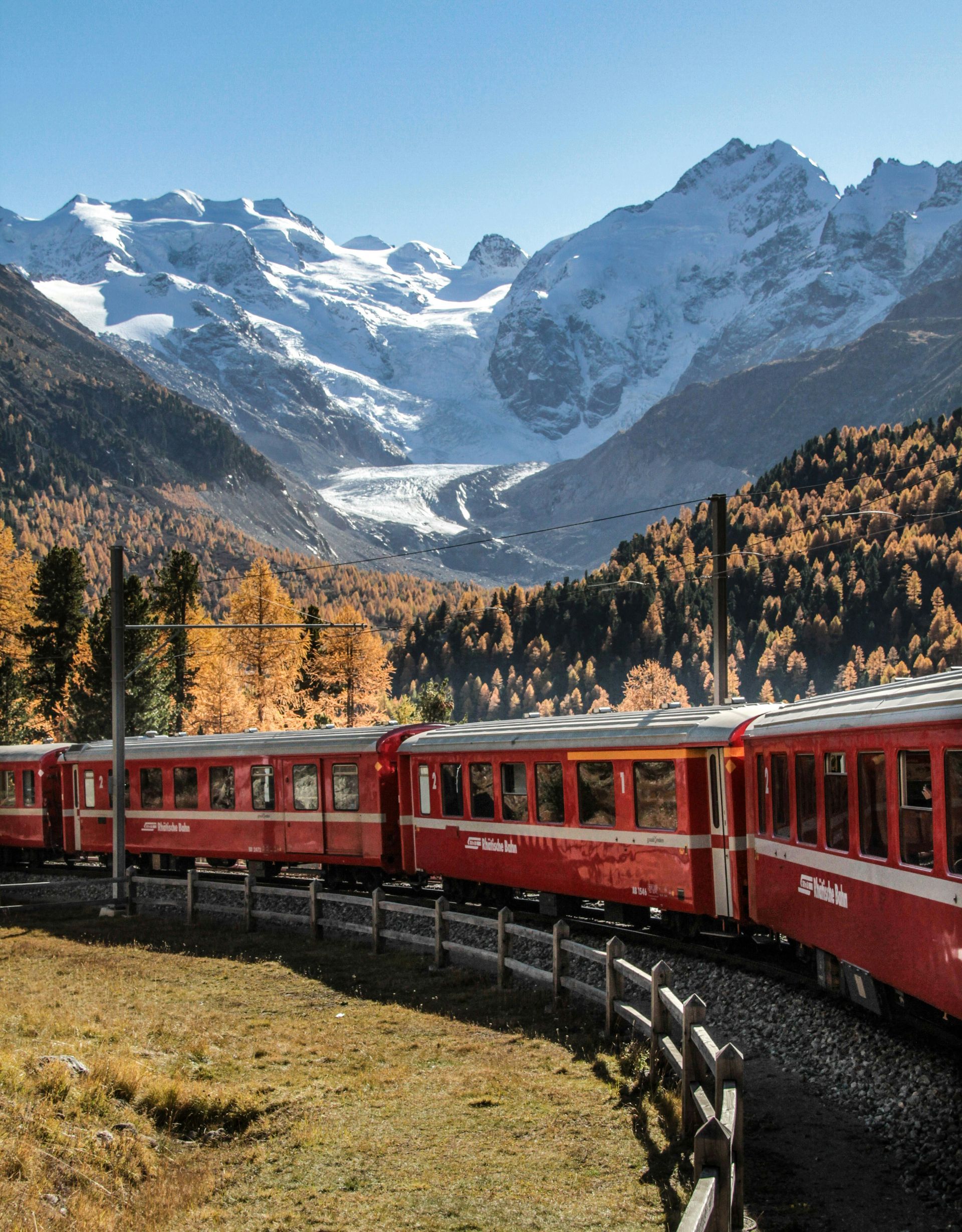
The physical movement between borders is where even the most beautiful itineraries can falter. Understanding how to plan a multi country trip to Europe requires a mastery of the continent's diverse transit options. For city-center to city-center ease, we prioritize Europe's high-speed rail network. Utilizing the Eurostar, TGV, or ICE trains allows you to bypass the peripheral congestion of airports and move directly into the heart of your next destination. A seamless transition is a travel connection where the traveler never touches their own luggage.
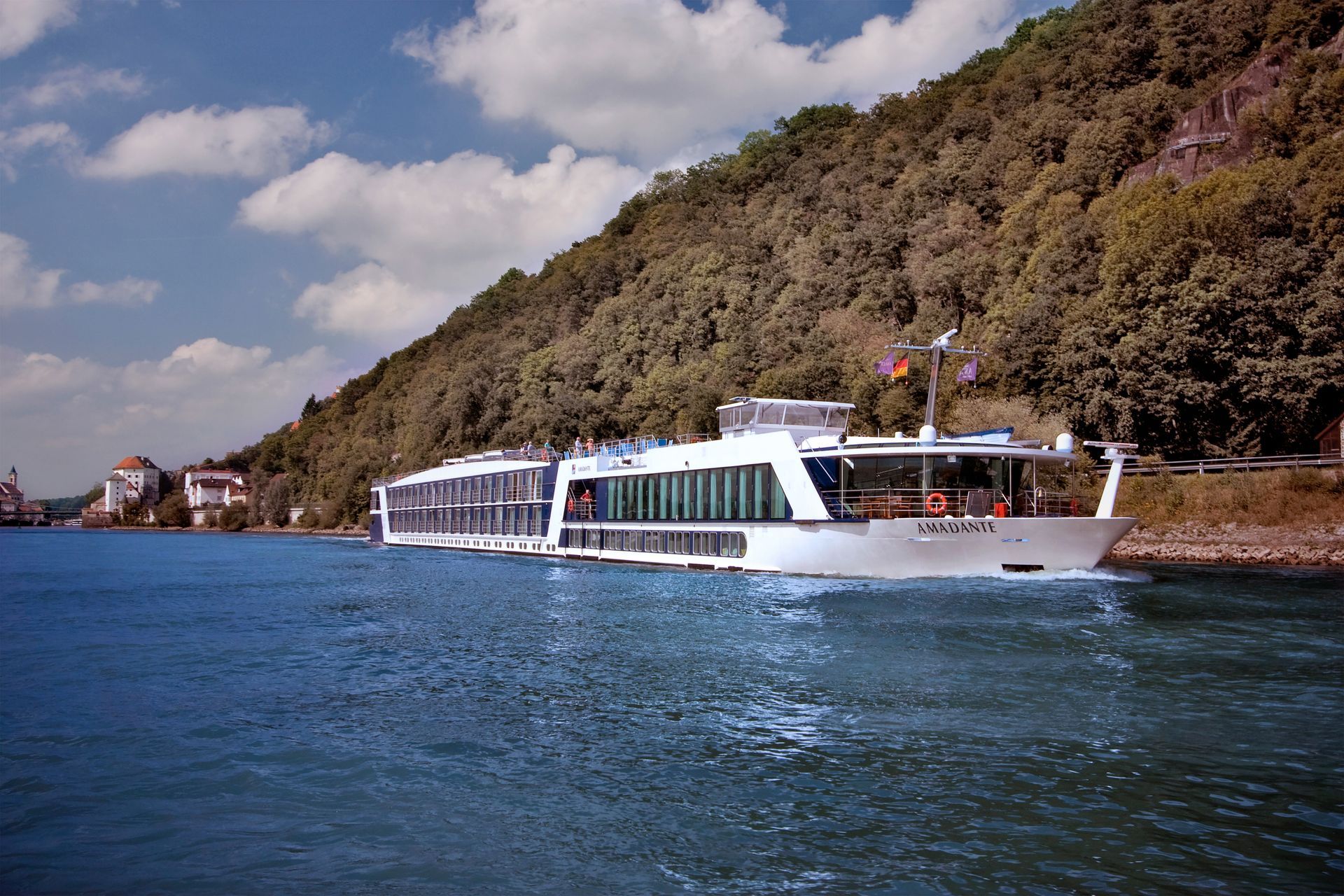
Choosing between a short-haul flight and a private driver depends entirely on the distance and the scenery. We recommend a private transfer for routes where the landscape is part of the experience, such as moving from the Swiss Alps into Northern Italy. Conversely, a flight is often the more efficient choice for non-contiguous regions, such as jumping from the Iberian Peninsula to the Greek Isles. For those who prefer to unpack only once, a European river cruise on the Danube or Rhine serves as a floating boutique hotel, crossing international borders while you sleep.
Navigating the 2026 Schengen Landscape
The arrival of 2026 brings new entry requirements for US travelers via the ETIAS system. While this is a simple security pre-screening, it adds another layer to the logistical stack. Having a professional planner ensures that all entry paperwork is meticulously handled well before you reach the gate. This proactive approach removes the potential for border-side delays and keeps your focus on the journey rather than the bureaucracy.
Designing the "Last Mile": Private Transfers and Boutique Arrivals
The final transition from the train platform or airport terminal to your hotel lobby is what defines a premium experience. We curate this arrival experience by coordinating private transfers that meet you exactly where you land. This eliminates the uncertainty of local taxi queues or public transit navigation. By managing the "last mile" with precision, we ensure that your arrival at a boutique property feels like a homecoming rather than a logistical hurdle.
Designing Your Seamless European Legacy
Your 2026 journey across the continent should be defined by the depth of your experiences rather than the complexity of your travel arrangements. By moving away from a frantic bucket-list approach and embracing the "Anchor and Spoke" method, you ensure every border crossing is a transition between cultures rather than a hurdle to be cleared. You now understand that mastering how to plan a multi country trip to Europe requires a balance of independent discovery and professional architectural precision.
True luxury lies in the absence of friction. This means staying in hand-selected boutique properties and enjoying private guided tours that bypass the noise of the crowds. When you remove the mental load of managing rail schedules and entry requirements, you regain the freedom to truly be present in the moment. It's the difference between a trip that feels like work and one that feels like a masterpiece.
Start planning your seamless multi-country European escape with NuVia Travel. Our personalized itineraries are designed by European-born experts who provide the meticulous planning and exclusive access you need for a sophisticated journey. We're here to ensure every detail is handled so you can focus on the beauty of the destination. We look forward to helping you create a journey that's as effortless as it is unforgettable.
Frequently Asked Questions
Is 2 weeks enough for a multi-country trip to Europe?
Two weeks is an ideal timeframe for a multi-country journey if you prioritize depth over breadth. This duration allows you to comfortably explore three to four major cities while adhering to the 3-night rule. By focusing on a specific geographic cluster, such as the Central European capitals or the Mediterranean coast, you can enjoy a sophisticated pace that avoids the burnout of constant travel.
What is the best way to travel between countries in Europe for luxury travelers?
The most seamless method involves a strategic mix of high-speed rail and private transfers. High-speed trains like the Eurostar or TGV provide first-class comfort and city-center arrivals, bypassing the congestion of peripheral airports. For more scenic routes or transitions to boutique stays in rural regions, a private driver offers door-to-door service and total schedule flexibility. Luxury river cruises also remain a premier alternative for those who prefer to cross borders without the need for multiple hotel check-ins.
Do I need a travel agent for a self-guided European tour?
While DIY booking is possible, a professional planner acts as a meticulous architect who removes the logistical risk from your journey. They manage the "mental load" of coordinating private tours, boutique hotel bookings, and country-to-country transitions. This expert curation preserves the feeling of an independent tour while ensuring you have access to exclusive experiences and logistical support that standard research simply cannot provide.
How many countries should I visit in a 14-day European itinerary?
We recommend limiting your 14-day itinerary to a maximum of three bordering countries to maintain a premium experience. When you're learning how to plan a multi country trip to Europe, it's tempting to add more stops, but over-scheduling often leads to vacation amnesia. Focusing on three nations allows for meaningful cultural immersion and ensures you spend your time enjoying private experiences rather than sitting in transit hubs.