Scotland's Highlands and Islands, How to Structure It
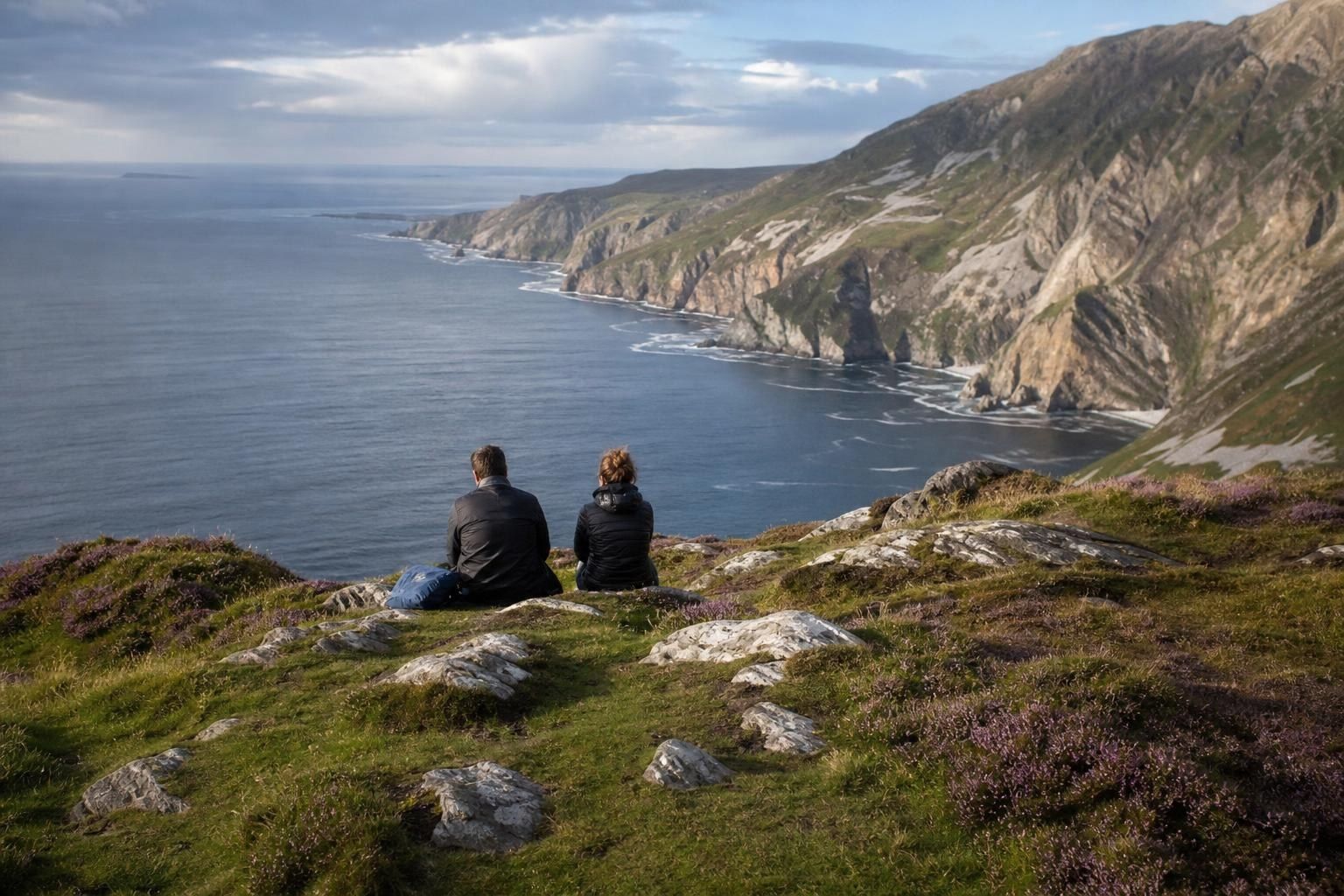
Scotland's Highlands and Islands occupy a territory roughly the size of Belgium, yet they hold fewer than 500,000 residents. That ratio of land to people is precisely what draws travelers here: single-track roads cutting through empty glens, ferry crossings to islands where Gaelic is still spoken at the post office, and castle ruins standing alone on headlands with no gift shop in sight.
But all that wildness creates a planning challenge. Getting the structure of your trip right - the sequence of regions, the transport choices, the balance between driving days and rest days - makes the difference between a trip that feels exhilarating and one that feels exhausting. This guide lays out a practical framework for organizing your time across the Scottish Highlands and Islands, covering route planning, transport infrastructure, daily budgets, heritage access, and where to sleep well after a long day on the road.
Planning Your 2027 Highlands and Islands Route by Region
The Highlands and Islands span from Inverness in the east to the Outer Hebrides in the Atlantic, and from Caithness in the far north down to the Isle of Mull in the southwest. Trying to see all of it in a single trip is a common mistake. A more effective approach is to select two or three sub-regions and connect them in a logical loop or linear route, with no more than three hours of driving on any given day.
Your starting point matters. Most international travelers arrive via Edinburgh or Glasgow, which means you will need a transfer north. The A9 from Edinburgh to Inverness takes roughly three and a half hours by car or rail. Glasgow to Fort William on the West Highland Line takes about four hours. Both are worthy journeys in their own right, so treat the transfer as part of the experience rather than dead time.
The 516-Mile North Coast 500 Circuit
The NC500 is Scotland's answer to Route 66: a 516-mile loop starting and ending in Inverness that traces the northern coastline through Wester Ross, Sutherland, Caithness, and the Black Isle. Most travelers complete it in five to seven days, though we have found that seven or eight days allows for a far more comfortable pace, especially for couples who want to stop for whisky distillery visits or coastal walks.
The route moves clockwise or counterclockwise. Clockwise is the more popular direction, which means you will encounter more oncoming traffic on single-track roads if you go that way. Counterclockwise puts the most dramatic scenery - the Bealach na Bà pass near Applecross, the stacks of Duncansby Head - in a different sequence that some travelers prefer. Neither direction is wrong, but knowing the trade-off helps you decide.
Key stops along the circuit include Ullapool (a working fishing village with good restaurants), Durness (for Smoo Cave and the nearby Cape Wrath), and John o'Groats (more charming than its reputation suggests since the recent redevelopment). Stefan Terwindt, founder of NuVia Travel, often recommends building in a rest day at Lochinver or Tongue, where the pace of life slows to something approaching geological time.
Island Hopping via CalMac Ferries and Loganair
If the NC500 is the spine of a Highland trip, the islands are its soul. CalMac Ferries operates routes to 22 islands across the Inner and Outer Hebrides, and their Hopscotch ticket system lets you chain multiple crossings into a single discounted fare. Booking early is essential: summer sailings to Skye, Mull, and Lewis fill weeks in advance, and vehicle spaces are especially limited.
Loganair provides the air alternative, with scheduled flights from Glasgow and Inverness to Stornoway, Kirkwall, Sumburgh, and several smaller airfields. Flight times are short - Glasgow to Stornoway is under an hour - and the region has set out a 10-year roadmap for sustainable aviation that includes plans for electric and hydrogen aircraft on shorter routes. For travelers with limited time, flying to an island hub and then using local ferries to explore neighboring islands is an efficient hybrid approach.
A practical island-hopping sequence for a week might look like this: fly to Stornoway on Lewis, drive to Harris (they share the same landmass), ferry from Tarbert to Uig on Skye, spend two days on Skye, then drive back to the mainland via the Skye Bridge. This covers two distinct island cultures without requiring you to retrace your steps.
Infrastructure Evaluation: Self-Drive vs. Guided Rail Tours
Your transport choice shapes the entire character of your trip. Self-driving gives you freedom to stop at unmarked viewpoints, detour down farm tracks, and adjust your schedule on the fly. Rail travel removes the stress of single-track roads and lets you watch the scenery without worrying about passing places. Both have real limitations in this part of Scotland.
The West Highland Line and ScotRail Service Standards
The West Highland Line from Glasgow to Mallaig is regularly ranked among the world's great railway journeys, and for good reason. The route crosses Rannoch Moor, passes through Fort William beneath Ben Nevis, and traverses the Glenfinnan Viaduct - yes, the one from the Harry Potter films. ScotRail operates the service year-round, with four daily departures in summer.
Service standards on ScotRail have improved in recent years, though delays still occur, particularly on the single-track sections where trains must wait for oncoming services at passing loops. First-class seating is available on some services and is worth the modest supplement for the wider seats and quieter carriages. The Caledonian Sleeper from London to Fort William or Inverness offers an overnight option that saves you a hotel night and delivers you to the Highlands by breakfast.
One limitation of rail travel is that it confines you to a corridor. The West Highland Line serves Fort William and Mallaig brilliantly, but it does not reach Ullapool, Durness, or any of the NC500's most remote stretches. If you want to combine rail and road, consider taking the train north and then picking up a rental car for the loop portion.
Evaluating Arnold Clark Car Rentals for Remote Terrain
Arnold Clark is Scotland's largest independent car rental company, with pickup locations in Inverness, Edinburgh, Glasgow, and Aberdeen. Their fleet includes small SUVs and crossovers that handle single-track roads well - a standard hatchback will manage fine in summer, but ground clearance matters if you plan to visit places like the Applecross peninsula or the road to Diabaig.
A few practical notes on self-driving in the Highlands:
- Fuel stations are sparse north of Ullapool. Fill your tank whenever you see a pump, not when the gauge tells you to.
- Single-track roads require you to pull into passing places to let oncoming traffic through. The etiquette is straightforward: the driver closest to a passing place pulls in.
- Mobile signal is unreliable or absent across large stretches. Download offline maps before you leave your hotel.
- Rental insurance should explicitly cover single-track roads, as some budget providers exclude them.
If the logistics of self-driving feel daunting, NuVia Travel can help you map out a route that balances driving distances with rest stops, and we will identify the fuel and signal gaps in advance so you are not caught out.
Logistics Framework: Costs, Timing, and Capacity Data
Getting the financial and seasonal planning right prevents unpleasant surprises. The Highlands and Islands are not cheap, particularly in peak season, but they are not uniformly expensive either. Your costs will vary dramatically depending on when you go, where you stay, and which islands you visit.
Seasonal Fluctuations and Peak 75% Occupancy Rates
The Highland tourism season runs from April through October, with peak demand concentrated in July and August. During those two months, occupancy rates at popular hotels and B&Bs routinely exceed 75%, and some properties on Skye and in the NC500 corridor sell out months ahead. Shoulder season - May, June, and September - offers a better balance of decent weather, longer daylight hours, and available rooms.
The Highlands and Islands housing market has seen above-average growth in 2026, partly driven by second-home purchases that reduce the pool of available short-term rental properties. A new Council Tax premium on second homes is being monitored for its effect on supply, but the immediate impact on travelers is this: do not assume you can book accommodation on short notice, even in smaller villages.
NorthLink Ferries, which serves Orkney and Shetland, opened its 2026 booking schedule well in advance, and vehicle spaces on peak sailings sold quickly. The pattern is consistent across all ferry operators: book as early as your plans allow.
Daily Budgeting for the Inner vs. Outer Hebrides
The Inner Hebrides (Skye, Mull, Islay) tend to cost more per night than the Outer Hebrides (Lewis, Harris, the Uists), partly because the Inner Hebrides attract higher visitor volumes and have more premium accommodation options. Here is a rough daily budget framework for two travelers sharing costs:
- Inner Hebrides: £180-£280 per day for a comfortable B&B or small hotel, meals at local restaurants, fuel, and one activity or entry fee.
- Outer Hebrides: £140-£220 per day for similar standards, with lower accommodation costs offset slightly by ferry fares.
- NC500 mainland route: £160-£260 per day, varying widely depending on whether you choose a country house hotel or a well-reviewed guesthouse.
These figures assume mid-range comfort, not budget hosteling or top-tier luxury. Whisky distillery tours (typically £15-£30 per person), boat trips, and guided walks add to the daily total but are often the most memorable parts of the trip.
Structuring the Itinerary Around Key Heritage Sites
Scotland's heritage sites are not clustered conveniently in one area. They are spread across the mainland and islands, which means your itinerary structure directly determines which sites you can realistically visit. Trying to fit too many into a single day leads to rushed visits and excessive driving.
A sound approach is to anchor each day around one significant site and let the surrounding landscape fill the rest. On Skye, that anchor might be Dunvegan Castle in the morning, with the afternoon free for a walk to the Fairy Pools or a drive along the Trotternish Ridge. On the mainland, a morning at Urquhart Castle on Loch Ness pairs well with an afternoon exploring Inverness itself.
The real challenge is sequencing. Sites managed by Historic Environment Scotland (HES) and the National Trust for Scotland (NTS) have different opening hours, different ticketing systems, and different peak-crowd patterns. An HES Explorer Pass (currently £40 for adults, valid for seven days) covers entry to over 70 properties and pays for itself after three or four visits. The NTS equivalent, the Discover Ticket, covers a separate set of properties.
Historic Environment Scotland: Managing Entry to Skara Brae
Skara Brae on Orkney is a 5,000-year-old Neolithic village - older than the Pyramids of Giza and better preserved than most Bronze Age sites in Europe. It is managed by Historic Environment Scotland and requires timed entry tickets during peak season to manage visitor flow across the fragile site.
If Orkney is part of your plan, book Skara Brae tickets as soon as your travel dates are confirmed. Morning slots (before 11:00) are less crowded and offer better light for photography. The site pairs naturally with a visit to the Ring of Brodgar and Maeshowe chambered cairn, both within a short drive.
Getting to Orkney itself requires either a NorthLink ferry from Scrabster or Aberdeen, a Pentland Ferries crossing from Gills Bay, or a Loganair flight from Edinburgh, Glasgow, or Inverness. The ferry from Scrabster to Stromness takes about 90 minutes and drops you close to Skara Brae, making it the most convenient option if you are already on the NC500.
For travelers who want to include Orkney without backtracking, a practical structure is to drive the NC500 to Thurso, ferry across to Orkney for two or three nights, then ferry back and continue the NC500 loop eastward through Caithness. This keeps the route flowing forward.
Luxury and Boutique Accommodation Selection Criteria
Where you sleep matters as much as what you see, particularly on a trip where driving days can be long and weather can be uncooperative. The Highlands have seen a notable increase in premium boutique properties over the past decade, and the quality gap between the best and the average is significant.
When evaluating accommodation for a Highland trip, consider these factors:
- Location relative to your driving route. A beautiful hotel that adds 90 minutes of backtracking to your day is not a good choice.
- Dining options on-site or within walking distance. In remote areas, your hotel restaurant may be the only realistic dinner option.
- Drying facilities. This sounds mundane, but after a day of walking in Highland weather, a boot room with a drying rack is genuinely valuable.
- Flexibility on check-in and check-out times, especially when ferry schedules dictate your arrival.
The best Highland properties understand that their guests have been on the road. They offer early check-in when possible, pack lunches for the next day's drive, and provide local knowledge that goes beyond a printed leaflet. Stefan Terwindt, who speaks five languages and has visited the region repeatedly, often notes that the quality of a hotel's local recommendations is as telling as its thread count.
Comparing The Fife Arms vs. Inverlochy Castle Hotel
The Fife Arms in Braemar and Inverlochy Castle Hotel near Fort William represent two distinct approaches to premium Highland accommodation, and comparing them illustrates how to think about your own choices.
The Fife Arms is a Victorian coaching inn reimagined as an art hotel by Iwan and Manuela Wirth. Every room contains original artworks, and the public spaces feel like a gallery crossed with a Highland lodge. It sits in the Cairngorms, on the eastern side of the Highlands, making it a strong fit for travelers arriving from Edinburgh or Aberdeen. Rates start around £350 per night in shoulder season.
Inverlochy Castle Hotel, by contrast, is a more traditional country house experience. Set beneath Ben Nevis with views across its own loch, it offers a quieter, more classic atmosphere. The dining room holds a Michelin star, and the service style is formal without being stiff. It is ideally positioned for travelers heading to or from the West Highland Line, Glencoe, or the ferry to Mull. Rates are comparable to The Fife Arms, starting around £380 per night.
The choice between them depends on your route and your sensibility. If you value contemporary art and a lively bar scene, The Fife Arms is the clear pick. If you prefer a more traditional, tranquil setting with exceptional food, Inverlochy delivers that consistently. Neither is better in absolute terms - they serve different moods and different itinerary structures.
Bringing Your Highland Trip Together
Structuring a trip through Scotland's Highlands and Islands is fundamentally about sequencing: which regions to pair, which transport to choose, and how much driving to accept on any given day. The decisions you make early - clockwise or counterclockwise on the NC500, ferry or flight to the islands, boutique hotel or country house - cascade through the entire experience.
The most rewarding Highland trips we have helped plan share a few qualities. They build in rest days. They do not try to cover every region in one visit. They book ferries and heritage sites early. And they treat the journey between stops as part of the experience, not an obstacle to endure.
If you would like help putting together a Highland itinerary that accounts for ferry schedules, driving distances, and the right accommodation for your pace, our team can take the complexity off your hands. Start your custom journey and let us build a trip that fits the way you actually want to travel.