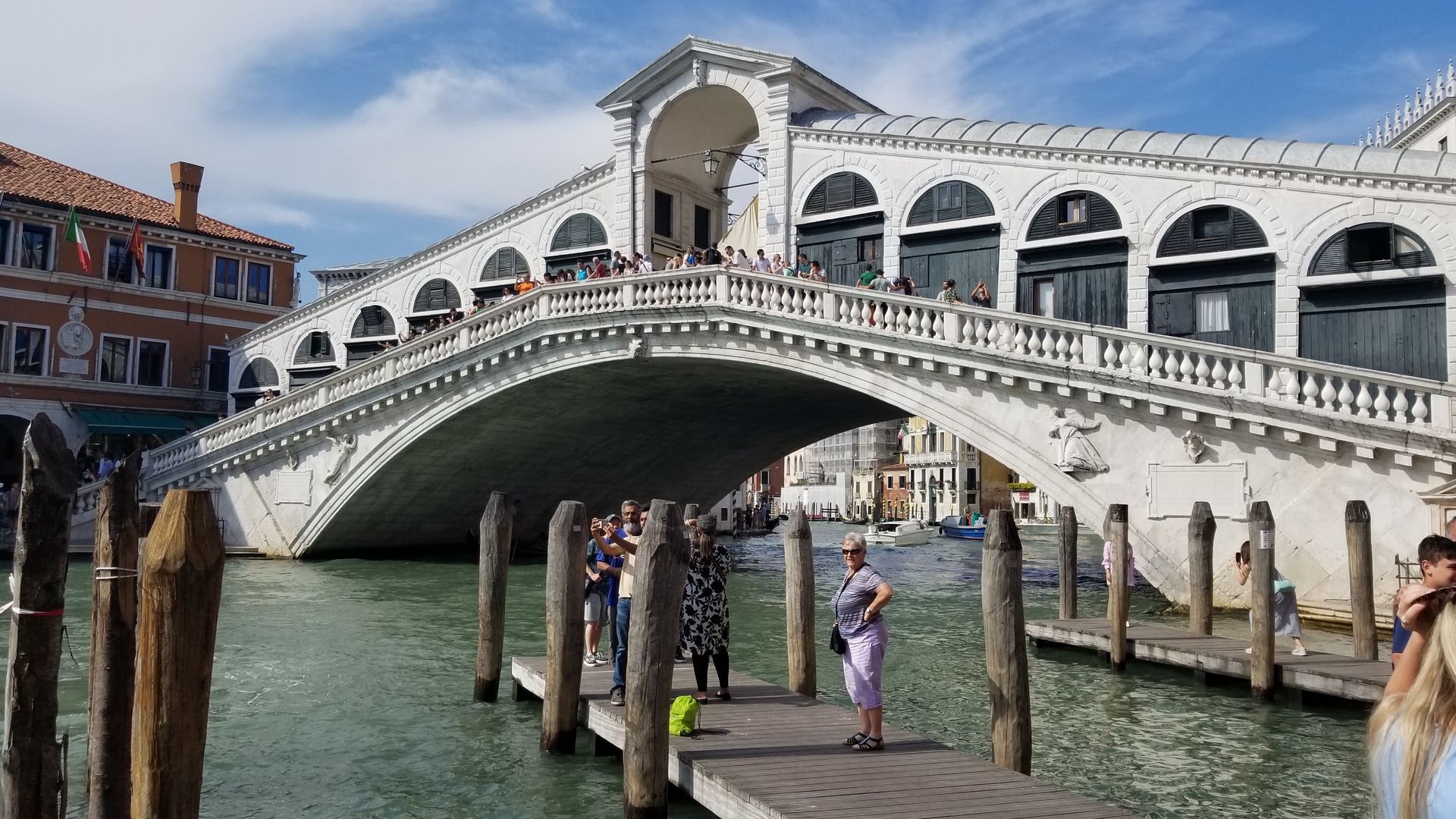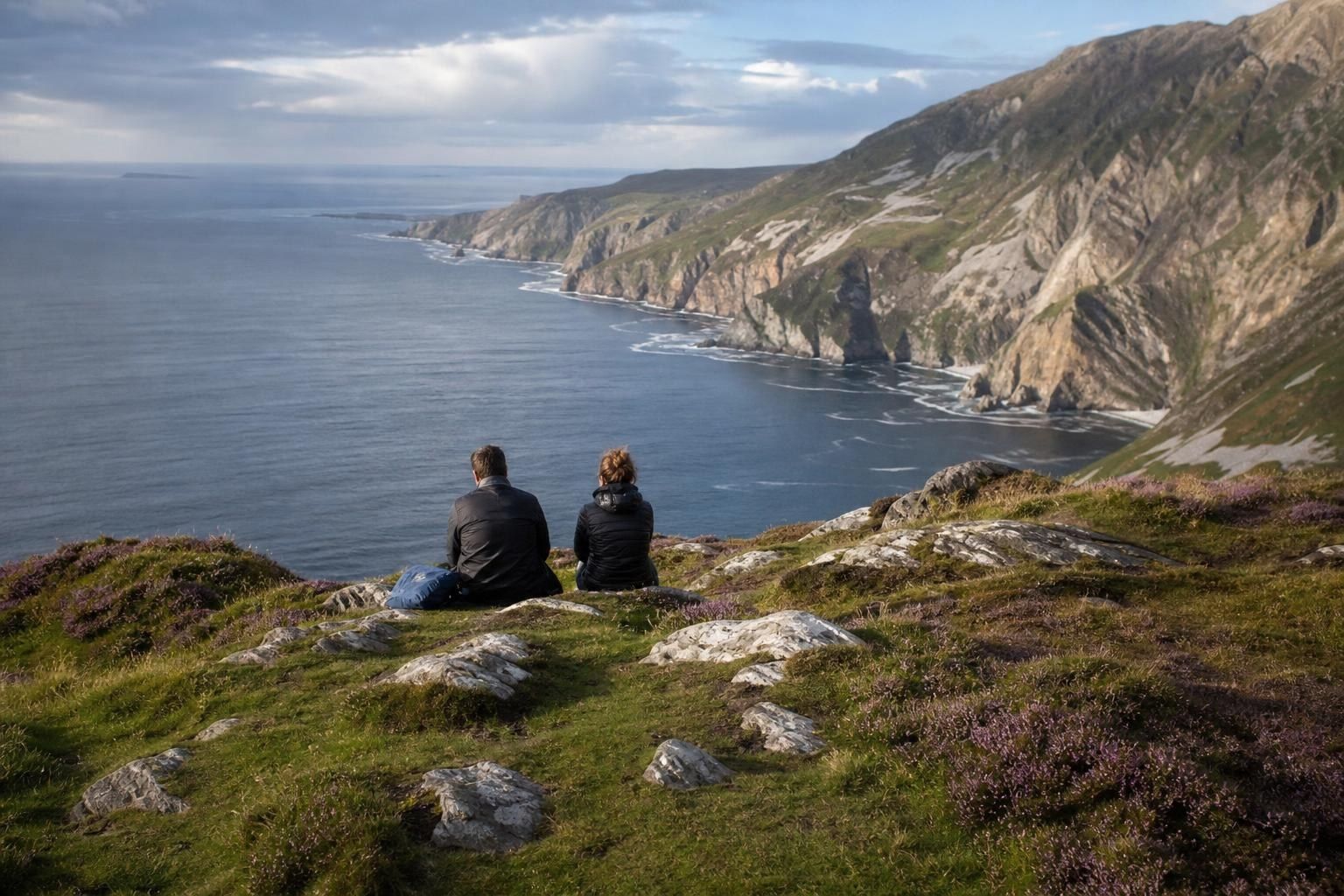
Shoulder Season in Europe, What You Gain and What You Give Up
Every year, millions of travelers face the same question: is peak summer in Europe worth the cost, the crowds, and the heat? The answer is increasingly no. Extreme temperatures have been pushing summer travel toward cooler alternatives, and a growing number of experienced travelers are shifting their plans to the weeks just before and just after the high season.
Shoulder season across Europe - roughly April through May and September through October - offers a different kind of trip. You trade a few things. You gain others. Understanding exactly what falls on each side of that equation is the difference between a well-timed journey and a frustrating one. This is the honest breakdown: what you stand to gain and what you genuinely give up when you travel Europe outside peak summer.
Defining the 2027 European Shoulder Season: Timing and Regional Variations
The term "shoulder season" refers to the transitional periods between a destination's peak and off-peak travel windows. In Europe, this generally means April through late May in spring and September through late October in autumn. But Europe is not a single climate zone. The continent stretches from the Arctic Circle to the Mediterranean, and the optimal shoulder window shifts significantly depending on where you are headed.
A useful way to think about it: the further south you go, the longer the warm season extends, and the later the shoulder period begins. Conversely, northern destinations have a compressed high season, making their shoulder windows tighter and more weather-dependent.
Northern vs. Southern Europe: April-May and September-October Windows
In Scandinavia, the Netherlands, and the British Isles, the practical shoulder season runs from late April through late May and from mid-September through mid-October. Spring arrives later in Stockholm than in Seville. By early October, daylight in Copenhagen drops noticeably, and outdoor attractions begin to wind down.
Southern Europe operates on a different calendar. Greece, southern Italy, and the Iberian Peninsula remain warm and welcoming well into October. The Algarve coast in Portugal sees pleasant swimming temperatures through the first week of October most years. Croatia's Dalmatian Coast is a strong fit for late September travel, with water temperatures still hovering around 22°C.
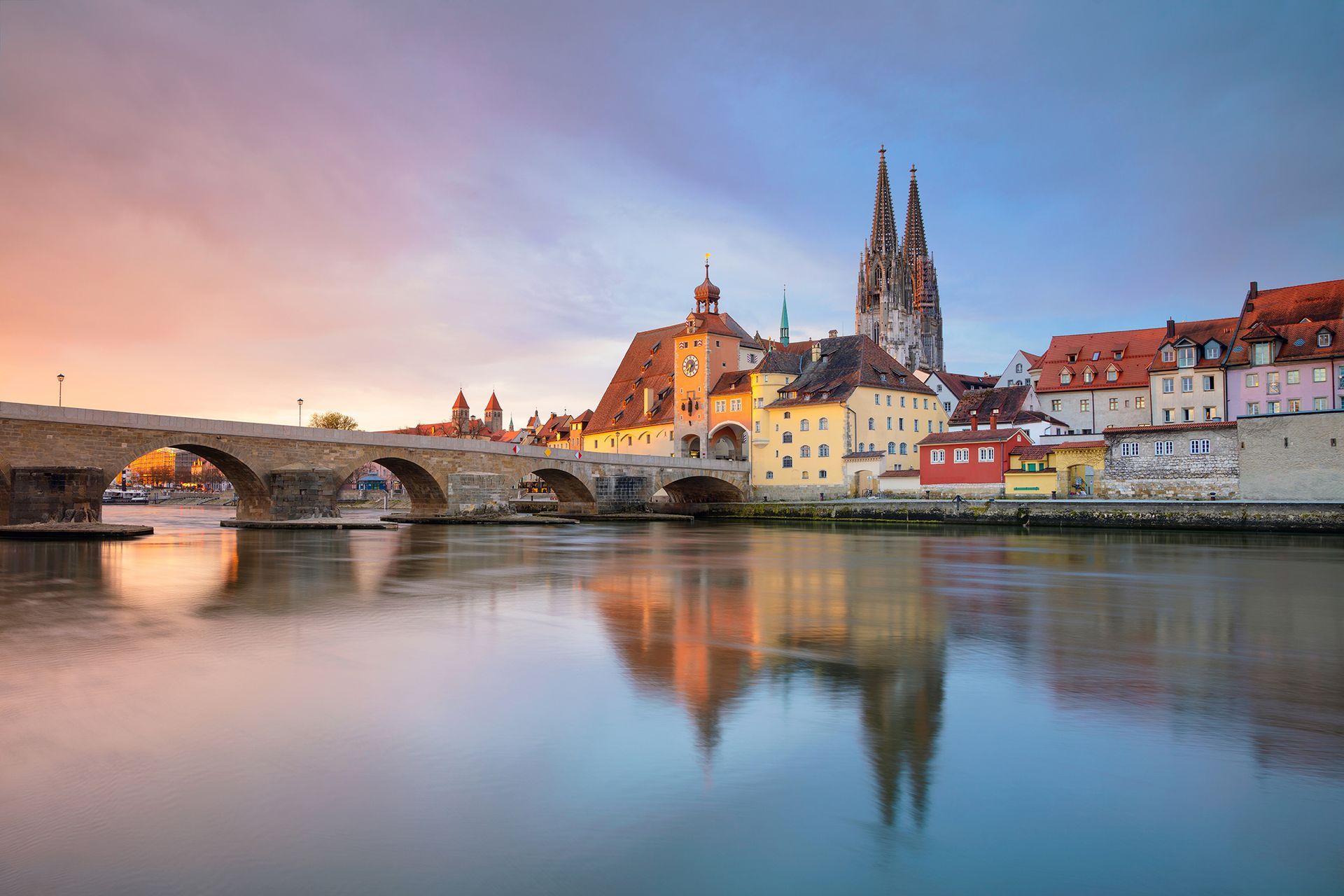
Central Europe - cities like Vienna, Prague, Munich, and Budapest - falls neatly between these two extremes. The spring shoulder here is particularly rewarding: cherry blossoms along the Danube in Dürnstein, wine festivals beginning in the Wachau Valley, and outdoor café culture returning to full swing by mid-April. Stefan Terwindt, NuVia Travel's founder, often recommends this Central European spring window to clients planning anniversary or retirement trips, because the pacing feels relaxed and the cultural calendar is rich without the summer intensity.
The key takeaway for planning: do not treat "shoulder season" as a single date range. Research the specific region you intend to visit and match your travel dates to local climate patterns.
What You Gain: Financial Incentives and Reduced Crowds
The two most immediate benefits of shoulder season travel are lower costs and fewer people. These are not marginal differences. They are substantial enough to change the character of your trip.
Data-Driven Savings: 20-40% Lower Rates on Lufthansa and Accor Hotels
Travelers booking in May or September typically save 20% to 30% on total trip costs compared to July and August. In some categories, the savings run even higher. A detailed cost breakdown for European travel in 2026 shows that accommodation represents the largest variable expense, and hotel rates during shoulder months can drop 25% to 40% below their summer peaks.
Consider a few specific examples:
- Lufthansa economy fares from major U.S. gateways to Frankfurt average $650 to $800 round-trip in September 2026, compared to $950 to $1,200 in July.
- Accor Hotels properties across France, including Sofitel and MGallery brands, routinely offer shoulder-season rates 30% below their August tariffs.
- A four-star hotel in central Rome that charges €320 per night in July may list at €210 in late September.
These savings compound across a two-week itinerary. A couple traveling through three countries could realistically save $2,500 to $4,000 on the same trip simply by shifting their dates six weeks in either direction.
Airfare, accommodation, car rentals, and even guided experiences all trend downward. The overall cost structure of a European trip becomes significantly more manageable, which means you can either reduce your budget or redirect those savings toward a premium experience you might otherwise skip: a private wine tasting in Burgundy, a cooking class in Puglia, or an upgrade to a river-view suite.
The Queue Metric: Saving 2+ Hours at The Louvre and Vatican Museums
Cost savings are quantifiable. Time savings are harder to measure but equally valuable, especially for travelers who do not want to spend their mornings standing in lines.
At the Louvre in Paris, average wait times during July and August regularly exceed 90 minutes, even with timed-entry tickets. In late September, that figure drops to 20 to 30 minutes. The Vatican Museums follow a similar pattern: summer queues of two hours or more shrink to 30 to 45 minutes by early October.
This distinction matters for how your day actually feels. Instead of arriving at the Uffizi Gallery in Florence at 8:00 a.m. to beat the crowds, you can enjoy a proper Italian breakfast, walk through quieter streets, and enter the museum at a civilized hour. You see the same Botticelli paintings. You just see them without 200 people jostling for the same sightline.
Restaurants are less booked. Walking tours have smaller groups. Train platforms are less chaotic. The cumulative effect is a trip that feels more personal and less like a logistics exercise.
What You Give Up: Operational Limitations and Weather Risks
Honesty requires acknowledging the trade-offs. Shoulder season is not simply "summer but cheaper." Certain things do not work as well, and a few options disappear entirely.
Reduced Ferry Schedules and Seasonal Closures on the Amalfi Coast
Seasonal businesses across Europe operate on a predictable rhythm. Many open in late April or early May and close by mid-to-late October. This affects your options in specific ways:
- Greek island ferries run on reduced schedules after September 15. Routes that operate three times daily in August may run once daily or not at all.
- Along the Amalfi Coast, some boutique hotels and restaurants close for the season by October 20. The famous SITA bus service between Positano and Amalfi becomes less frequent.
- Mountain hut accommodations in the Swiss and Austrian Alps typically close in mid-October as snow arrives at higher elevations.
- Seasonal attractions like outdoor water parks, beach clubs, and certain boat excursion operators shut down by early October.
This does not mean your trip is compromised. It means your itinerary requires more careful research. A travel advisor familiar with regional operating schedules can identify which experiences remain available and which have already closed for the season. NuVia Travel's planning process, for instance, includes verifying seasonal availability for every restaurant reservation, ferry connection, and guided experience before confirming a client's itinerary.
Daylight Trade-offs: Comparing 16-Hour Summer Days to 10-Hour Autumn Days
Daylight is the trade-off that surprises people most. In late June, Paris enjoys nearly 16 hours of daylight. By mid-October, that figure drops to roughly 10.5 hours. The difference is even more pronounced in northern cities: Stockholm goes from 18+ hours of summer daylight to about 10 hours by late October.
This affects your daily planning. Summer evenings in Europe are famously long - dinner at 9:00 p.m. with the sun still above the horizon. In October, sunset arrives before 7:00 p.m. in most of Central Europe. You will not linger on a terrace watching the sky change colors at 10:00 p.m.
For travelers who prefer early mornings and structured days, this may not matter much. But if your ideal European evening involves a long, sunlit aperitivo followed by a twilight stroll, you should calibrate your expectations for autumn travel. Spring shoulder season, by contrast, offers a more favorable daylight profile: by late April, most of Western Europe enjoys 14 or more hours of light.
Evaluating the Value Proposition: The Shoulder Season Scorecard
With both gains and trade-offs on the table, the question becomes: how do you weigh them against each other? A structured comparison helps.
| Peak Summer (Jun-Aug) | Shoulder (Apr-May, Sep-Oct) | Deep Winter (Nov-Feb) | |
|---|---|---|---|
| Airfare | Highest | 20-30% lower | Lowest |
| Hotel rates | Highest | 25-40% lower | 30-50% lower |
| Crowd levels | Very high | Moderate | Low |
| Daylight hours | 15-18 hours | 10-14 hours | 7-9 hours |
| Weather reliability | Hot, sometimes extreme | Mild, variable | Cold, short days |
| Attraction availability | Full | Mostly full | Reduced |
| Ferry/transport frequency | Maximum | Slightly reduced | Minimal |
| Outdoor dining comfort | High (but hot) | Pleasant | Limited |
The pattern is clear. Shoulder season occupies a middle ground where you retain most of the benefits of summer travel - open attractions, outdoor dining, pleasant weather - while shedding the worst of its drawbacks: extreme heat, overwhelming crowds, and peak costs.
The growing trend toward shoulder-season and secondary-city travel reflects this calculus. Experienced travelers increasingly recognize that the best version of a European trip is not necessarily the one with the most daylight or the hottest temperatures. It is the one where you can actually enjoy the places you visit.
Deep winter has its own appeal for specific destinations - Christmas markets in Nuremberg, skiing in Zermatt - but it is not a substitute for a general-purpose European itinerary. Shoulder season is.
Strategic Booking with Eurail and Viking River Cruises for Off-Peak Success
Timing your trip to shoulder season is the first decision. The second is choosing the right transportation and accommodation strategy to maximize your experience during those weeks.
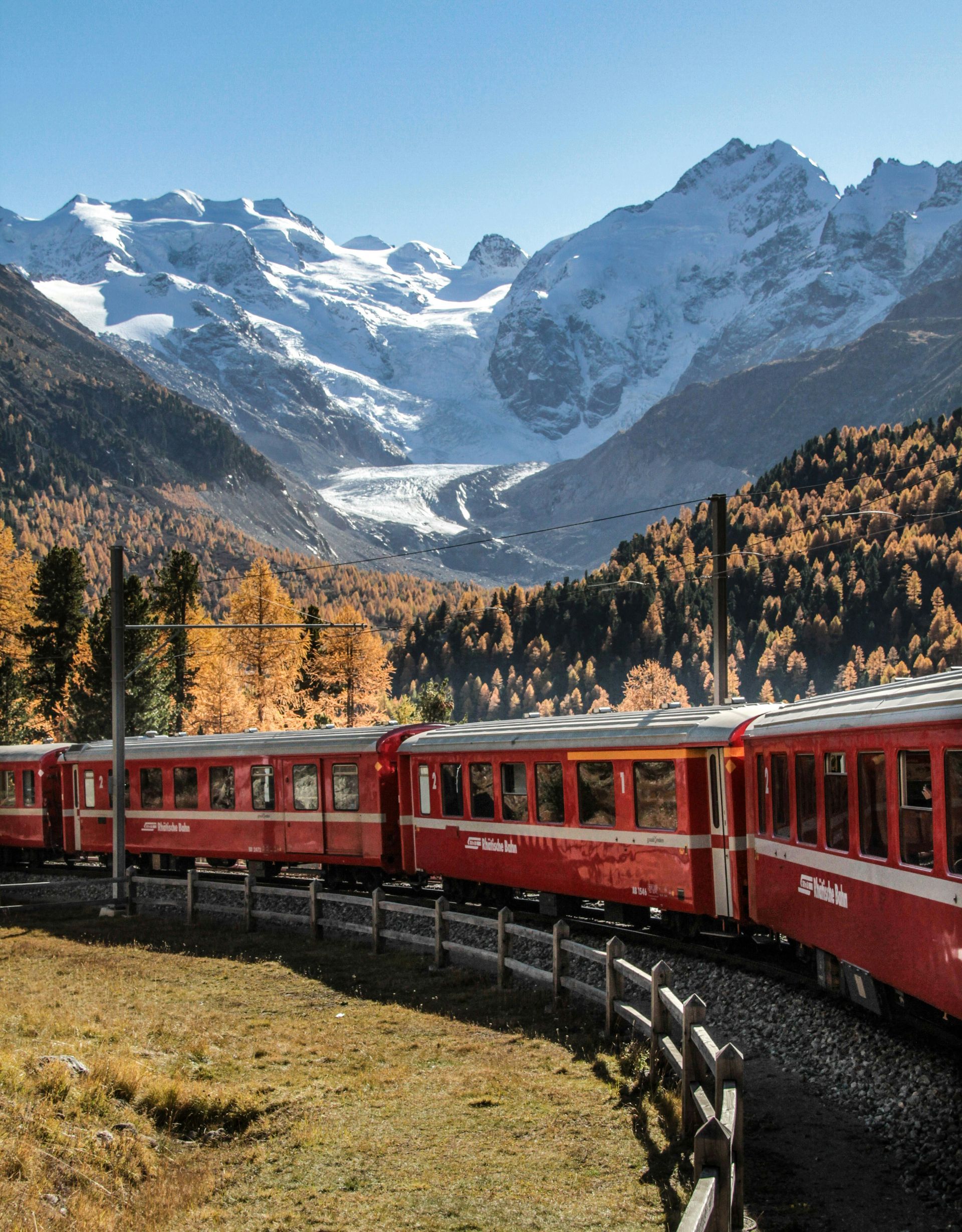
Eurail passes offer exceptional value during shoulder months. Train frequency across major European corridors remains at or near summer levels through October, and you will find it far easier to secure reservations on popular routes like Paris-to-Barcelona or Munich-to-Venice. A 15-day Eurail Global Pass in 2026 costs roughly €450 for adults, and the per-journey cost drops significantly when you are not competing with peak-season travelers for seats.
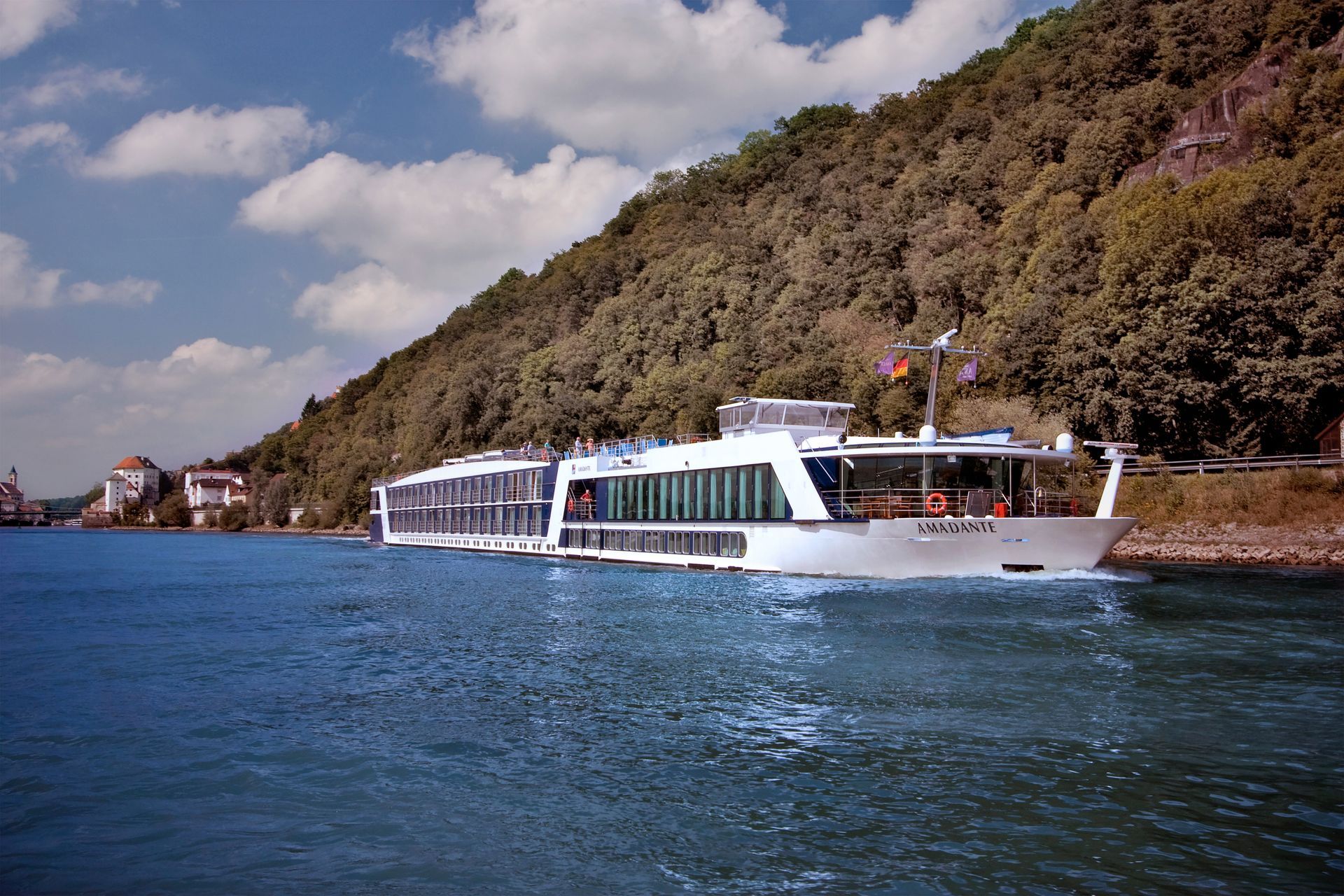
River cruises represent another compelling option for shoulder-season travel. Viking River Cruises, for example, operates its Danube, Rhine, and Douro itineraries well into late October. September and October departures typically cost 15% to 25% less than June or July sailings, and the onboard experience is identical. You still dock in the heart of cities like Budapest, Passau, and Rüdesheim. You still enjoy guided excursions and included meals. The difference is that you walk through quieter streets and visit less crowded sites.
For travelers considering a luxury or premium European experience, the shoulder season is particularly attractive because the value proposition improves without any reduction in service quality. A five-star hotel in October delivers the same room, the same breakfast, and the same concierge attention as it does in July - just at a lower rate and with more availability.
One strategic note: book early even for shoulder season. The growing popularity of off-peak European travel means that September availability at top-rated properties fills faster than it did five years ago. European travel sentiment has reached record levels for 2026, and that demand is spreading beyond the traditional summer months.
Maximizing the 2027 Experience: Packing and Itinerary Flexibility
Shoulder-season travel demands a different packing philosophy and a more flexible approach to daily planning than a midsummer trip.
Pack in layers. A late September day in Tuscany might begin at 14°C in the morning, climb to 24°C by midday, and drop again after sunset. A lightweight waterproof jacket, a versatile scarf, and one warmer layer for evenings will cover most situations across Western and Central Europe. Leave the heavy winter coat at home for April-through-October travel, but do not assume you can survive on T-shirts alone.
Your itinerary should include indoor alternatives for each day. This is not pessimism - it is practical planning. If you have scheduled a full day exploring the gardens of Versailles and the forecast shows rain, having the Musée d'Orsay or a cooking class in Paris as a backup means you lose nothing. The best shoulder-season itineraries build in this kind of flexibility rather than locking every hour into a fixed schedule.
A few practical tips for 2026 shoulder-season planning:
- Book accommodations with free cancellation where possible, giving you the option to adjust if weather patterns shift.
- Reserve your top-priority experiences (specific museum time slots, restaurant reservations, guided tours) well in advance, even during shoulder season.
- Leave at least one unplanned half-day per city. These open windows often become the most memorable parts of a trip - a market you stumble into, a café where you sit for two hours, a neighborhood walk with no destination.
- Check local festival and event calendars. Shoulder season hosts some of Europe's best events: Oktoberfest in Munich (late September), wine harvest festivals across Burgundy and the Mosel Valley, and the Venice Film Festival in early September.
Europe's resilient growth in 2026 means infrastructure, hospitality, and cultural programming remain strong across the shoulder months. You are not visiting a diminished version of Europe. You are visiting a quieter, more affordable, and often more enjoyable one.
The honest assessment of shoulder-season European travel is straightforward: you gain significant savings, smaller crowds, milder weather, and a more relaxed pace. You give up some daylight hours, a handful of seasonal businesses, and the guarantee of hot beach weather. For most travelers - especially those planning a milestone trip, a multi-city itinerary, or a river cruise - the gains far outweigh the concessions.
If you are considering a 2026 shoulder-season trip and want help building an itinerary that accounts for regional timing, seasonal closures, and the best available rates, NuVia Travel's team can handle the complex logistics while you focus on enjoying the journey. Start Your Custom Journey and see how a well-planned shoulder-season trip compares to anything peak summer has to offer.