Europe Travel Insights for Smarter Planning
Travel smarter in 3 minutes with the NuVia Nomad Newsletter.
Subscribe for practical tips, bite-size planning guides, and fresh destination ideas -
perfect for pairing with your morning coffee.

Master Scotland's Highlands and Islands: how to structure it using expert data on ferry logistics, regional routes, and luxury accommodation for 2027
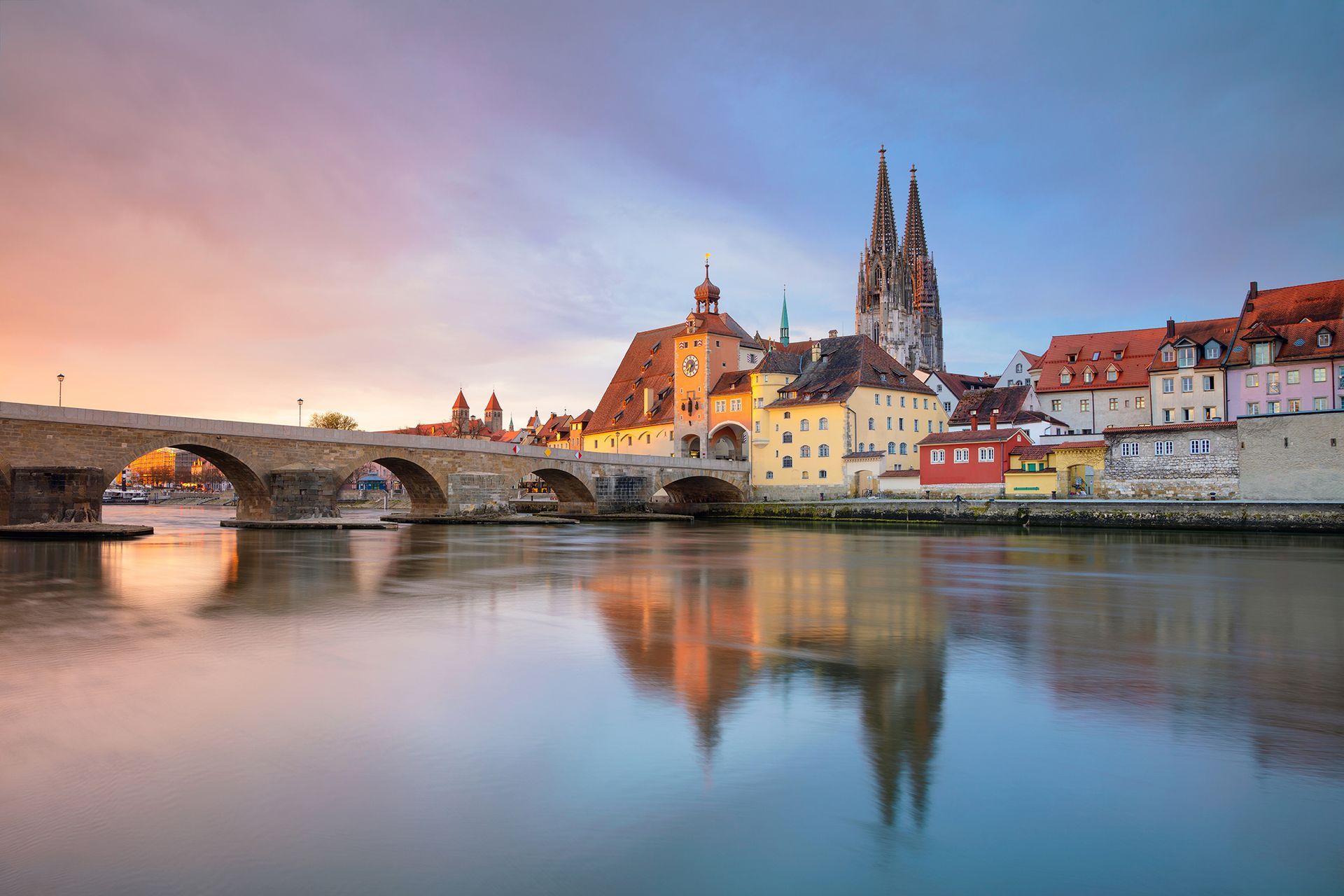
A practical comparison for travelers planning their first or next European river cruise in 2027
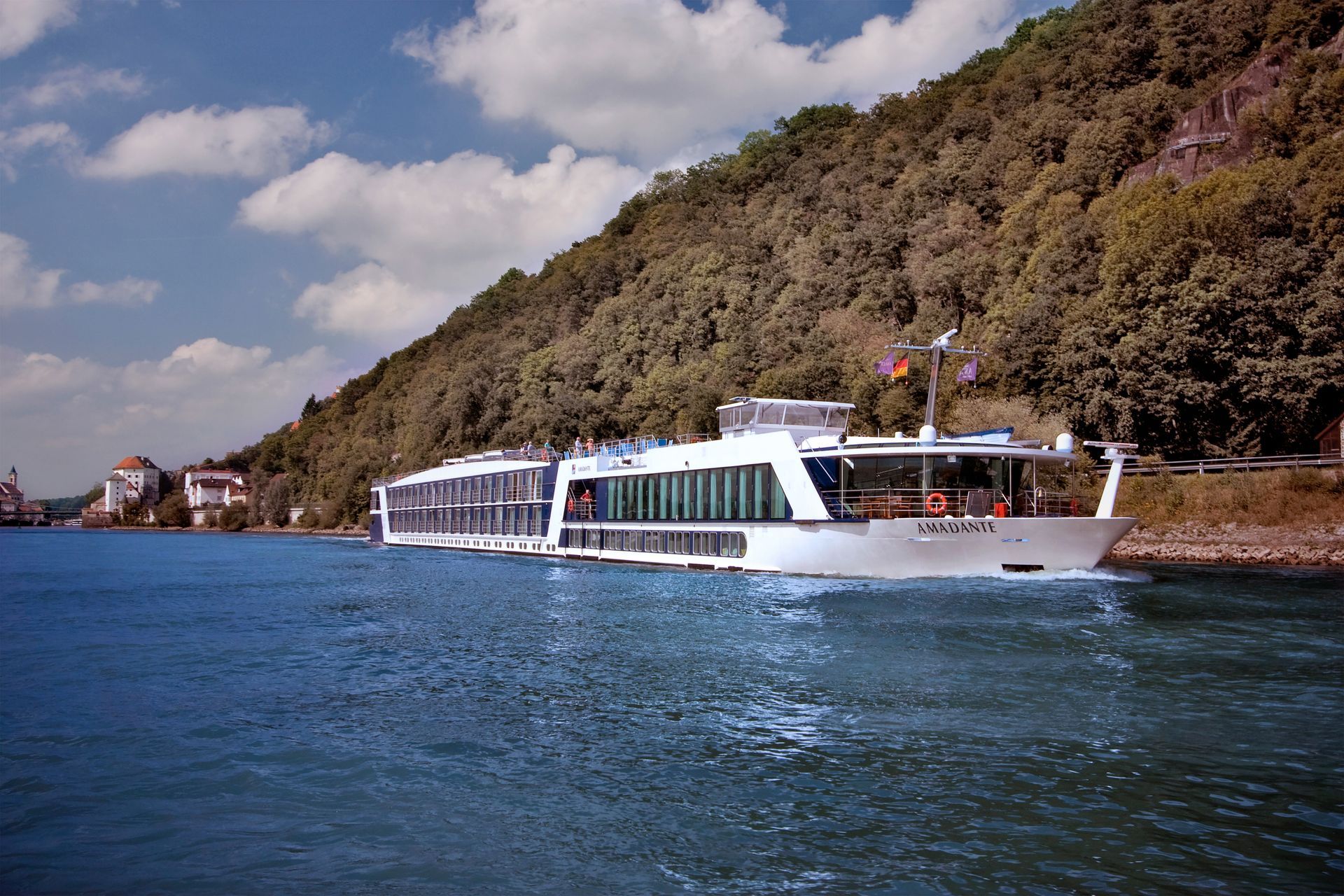
Discover the most scenic river cruise in Europe and how to pick yours using our 2027 guide to the Rhine, Danube, and Douro for every budget and travel style.

Master the ultimate itinerary for Switzerland by train in seven days, featuring panoramic routes, budget-saving pass tips, and essential mountain excursions.
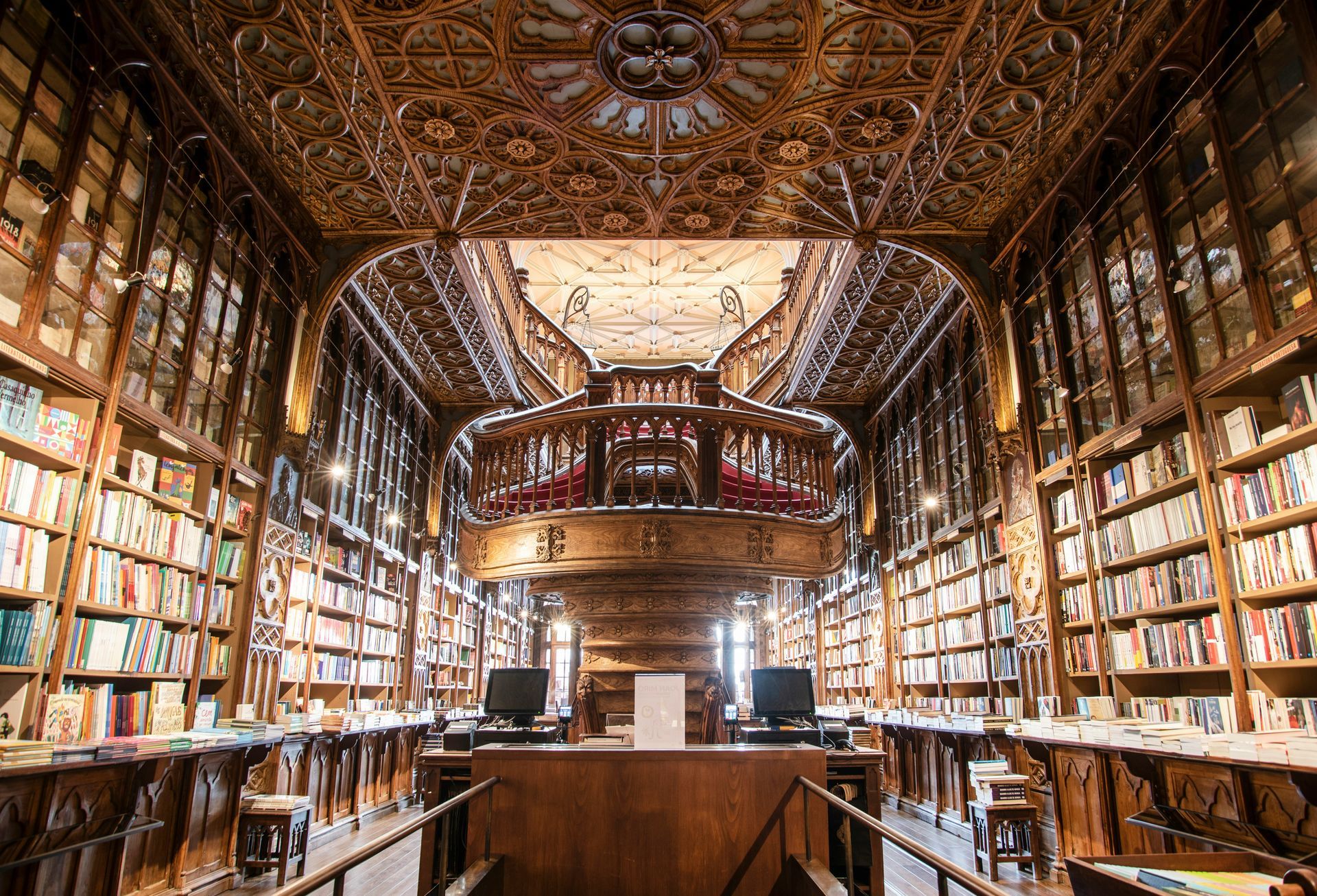
Explore Portugal with our expert itinerary for Lisbon, Porto, and the Douro in nine days, featuring historic sites, wine tours, and essential travel tips.

Discover the best river cruise lines in Europe, compared by an advisor to help you choose the ideal 2027 sailing based on luxury, excursions, and value.

Plan a perfect trip with our guide on how to split ten days between Paris and the South of France, covering TGV logistics and the best Riviera base camps.
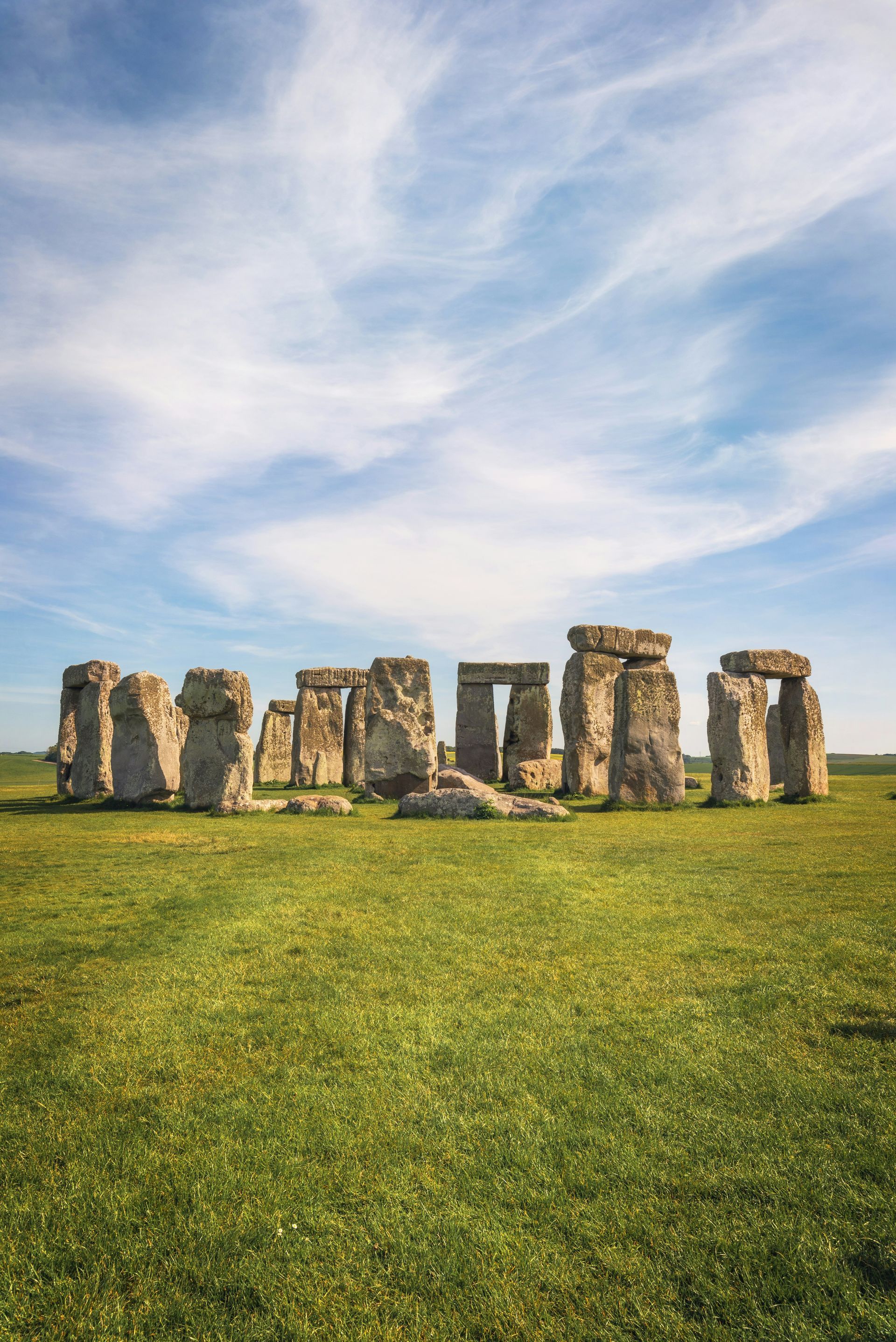
Plan your 2027 trip by weighing the perks of shoulder season in Europe, what you gain and what you give up, from lower costs to unpredictable weather risks.
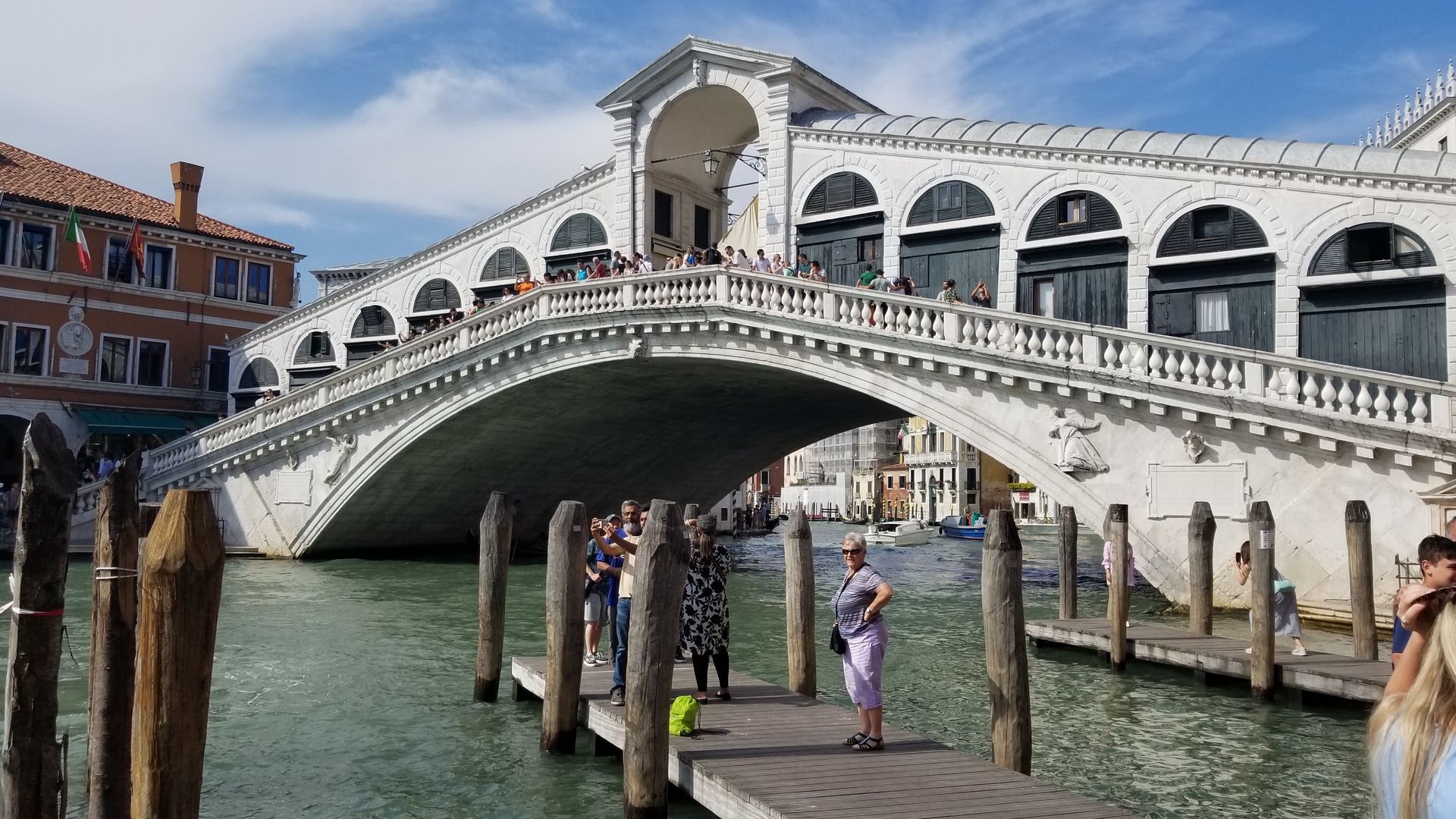
Master a smart hub-and-spoke strategy for two weeks in Italy without changing hotels every other night to save time, reduce stress, and maximize your stay.