Ireland's West Coast in Seven Days
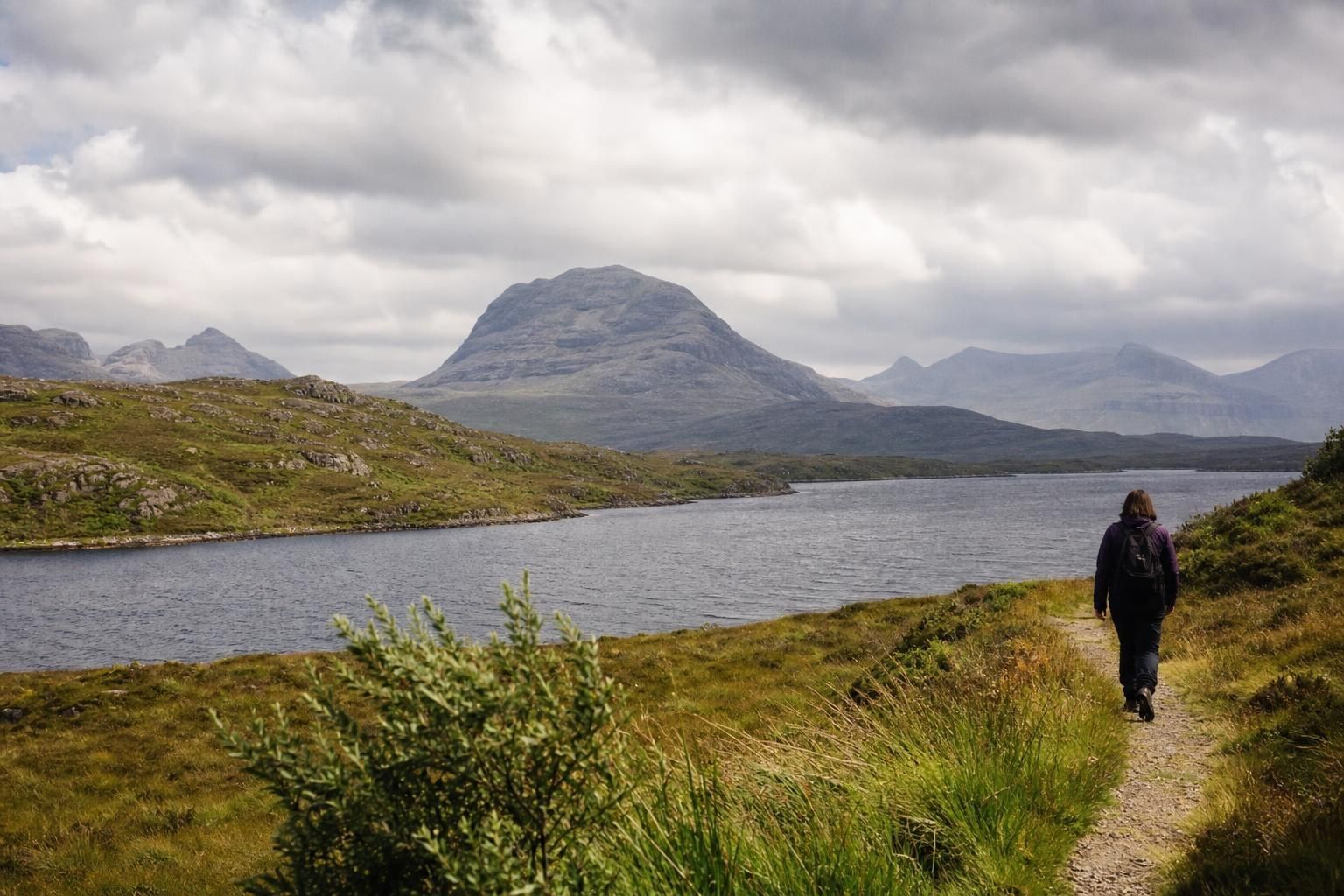
A week along Ireland's western coastline will reshape how you think about coastal travel. The Wild Atlantic Way stretches roughly 2,500 kilometers from County Cork in the south to County Donegal in the north, making it one of the longest defined coastal routes in the world. Seven days is not enough to see everything, but it is precisely enough to absorb the places that matter most: the sea stacks, the stone-walled fields, the pubs where music starts without announcement.
Ireland welcomed over 3.2 million overseas visitors in the first half of 2026, generating €2.6 billion in revenue, and a significant share of those travelers came specifically for the west coast. This itinerary is designed for travelers who want honest pacing, real experiences, and a plan that respects both the landscape and your energy. Here is how to spend seven days on Ireland's west coast and return home genuinely changed.
Planning Your 2027 Wild Atlantic Way Expedition
A trip of this scope requires more than a general sense of direction. You are covering a significant stretch of coastline with variable weather, narrow roads, and accommodations that book out months ahead during peak season. Starting your planning early, ideally four to six months before departure, gives you the best selection of hotels and the lowest airfares.
The Wild Atlantic Way has become a model for regional tourism development, which means infrastructure has improved considerably in recent years. Signage is clear, rest stops are well maintained, and even remote villages have reliable Wi-Fi. That said, this is not a highway trip. Many of the most rewarding stretches involve single-track roads with passing places, and your daily driving distances should account for the slower pace.
Essential Logistics: Aer Lingus Flights and Hertz Car Rentals
Direct flights from the eastern United States to Shannon or Dublin are your best entry points. Aer Lingus operates nonstop service from several U.S. cities, including Boston, New York JFK, Chicago, and Washington Dulles. Shannon Airport places you immediately on the west coast, saving a full day of transit compared to flying into Dublin. If you do land in Dublin, budget one night there before driving west.
For car rental, Hertz and Europcar both maintain desks at Shannon and Dublin airports. Book an automatic transmission vehicle well in advance, as manual cars dominate the Irish fleet and automatics sell out quickly. A compact SUV or midsize crossover handles the narrow roads well while giving you enough cargo space for luggage. Expect to pay between €450 and €700 for a seven-day rental with full insurance, depending on the season and vehicle class.
Budgeting for 2,500km of Coastal Terrain
A realistic daily budget for two travelers staying in quality hotels, eating well, and visiting key attractions falls between €300 and €500 per day. Here is a rough breakdown:
- Accommodation: €150 to €280 per night for a well-rated three- or four-star hotel
- Meals: €80 to €120 per day for two, including one sit-down dinner
- Fuel: €8 to €12 per day, assuming roughly 350 kilometers of total daily driving
- Attractions and tours: €30 to €60 per day for two
Over seven days, a comfortable trip for two ranges from €2,100 to €3,500 before flights and car rental. This is not a budget trip, but it is not extravagant either. The west coast rewards travelers who invest in comfort, because you will be spending long stretches in the car and you want a proper bed at the end of each day.
Days 1-3: The Southern Gateway from Cork to Killarney
Your first three days set the tone. Cork city deserves a half-day at minimum: the English Market, which has operated since 1788, is worth a morning visit for its artisan cheeses, smoked fish, and local charcuterie. From Cork, drive west through Kinsale, a harbor town known for its food scene and its connection to the 1601 Battle of Kinsale. The coastal road from Kinsale to Clonakilty passes through rolling farmland that drops suddenly into rocky coves.
By the afternoon of your first full day, you should be approaching Kenmare or Killarney, which serve as your base for exploring the Iveragh Peninsula. Killarney National Park offers 10,000 hectares of oak woodland, mountain trails, and the three Lakes of Killarney. A jaunting car ride through the Gap of Dunloe is traditional but genuinely enjoyable, especially in the early morning before the crowds arrive.
Navigating the Ring of Kerry with Wild Atlantic Way Tours
The Ring of Kerry is a 179-kilometer loop that most travelers drive counterclockwise to avoid tour buses, which run clockwise by local convention. Key stops include Caherdaniel, where you can visit Derrynane House and its beach; Waterville, a small town beloved by Charlie Chaplin; and Valentia Island, home to the Skellig Experience Visitor Centre.
If you prefer not to drive the Ring yourself, Wild Atlantic Way day tours operate from Killarney with knowledgeable local guides who know the best photo stops and lesser-visited viewpoints. These guided options typically run eight to ten hours and cost between €35 and €55 per person. They are a strong fit for travelers who want to take in the scenery without the stress of left-hand-side driving on narrow roads.
Luxury Stays at The Europe Hotel & Resort
For travelers seeking a premium base in the Killarney area, The Europe Hotel & Resort sits directly on the shore of Lough Leane. The property features a full-service spa, an indoor pool, and panoramic views of the lake and MacGillycuddy's Reeks, Ireland's highest mountain range. Rooms typically start around €280 per night in shoulder season and climb to €400 or more during July and August.
The hotel's ESPA spa is one of the finest in Ireland, and the restaurant sources much of its produce from local Kerry farms. Two nights here provide a welcome recovery point after the Ring of Kerry drive. Stefan Terwindt, NuVia Travel's founder, often recommends The Europe to clients who want a single base for exploring the entire Iveragh Peninsula without changing hotels every night.
Days 4-5: The Dramatic Cliffs of Clare and Galway Culture
The drive north from Killarney to County Clare takes roughly three hours if you stick to the N18, but the coastal route through Loop Head Peninsula adds another two hours and is vastly more rewarding. Loop Head Lighthouse, perched at the tip of the peninsula, sees a fraction of the visitors that the Cliffs of Moher receive, and the views are equally dramatic.
County Clare is limestone country: the Burren, a 250-square-kilometer expanse of karst landscape, supports Arctic, Mediterranean, and Alpine plants growing side by side. Walking the Burren in late spring reveals gentians, orchids, and bloody cranesbill tucked into the grikes between the limestone pavement. Doolin, a small village at the edge of the Burren, is your gateway to the Aran Islands and to some of the best traditional music sessions on the west coast.
Cliffs of Moher vs. Slieve League: An Elevation Comparison
The Cliffs of Moher are Ireland's most visited natural attraction, drawing over 1.5 million visitors annually. They rise 214 meters above the Atlantic and stretch for eight kilometers along the Clare coastline. The visitor center is well designed, and the cliff-edge walk toward Hag's Head offers genuine exposure and views of the Aran Islands on clear days.
Slieve League in County Donegal, which you will not reach on this itinerary but is worth noting for future trips, stands nearly three times taller at 601 meters. The comparison matters because many travelers assume the Cliffs of Moher are Ireland's tallest sea cliffs. They are not, but they are more accessible and more photogenic from sea level. If your seven days allow flexibility, a Cliffs of Moher boat tour from Doolin Pier (approximately €20 per person) provides a perspective you simply cannot get from the top.
Galway Bay Boat Tours and Oyster Tasting
Galway city is the cultural capital of the west coast. Its population of roughly 85,000 swells considerably during the summer festival season, and the city's Latin Quarter pulses with live music, street performers, and excellent restaurants. Arrive by early afternoon to settle into your hotel and explore the city on foot.
A boat tour of Galway Bay, typically lasting 90 minutes, gives you views of the Burren from the water and often includes commentary on the bay's ecology and fishing history. Galway is synonymous with oysters: the native flat oyster season runs from September through April, but Pacific oysters are available year-round. Moran's Oyster Cottage in Kilcolgan, a 20-minute drive south of the city, has been shucking oysters since 1760 and remains one of the finest spots to enjoy them with a glass of Muscadet or a pint of Guinness.
Days 6-7: Connemara Wilderness and the Mayo Coastline
Connemara is where the west coast feels most untamed. The landscape shifts between bog, mountain, and lake with startling frequency. The Sky Road near Clifden is a 12-kilometer loop that climbs above the town and delivers wide views of the offshore islands. Clifden itself is a handsome market town with good restaurants and a reliable selection of accommodation.
From Clifden, the drive north through Leenane and into County Mayo follows the shore of Killary Harbour, Ireland's only fjord. The water here is deep and still, flanked by the slopes of Mweelrea, Mayo's highest peak. Westport, your likely base for the final night, is consistently voted one of Ireland's tidiest and most pleasant towns. Its tree-lined mall, built along the Carrowbeg River, is a fine place to end a week of driving.
Exploring Kylemore Abbey and Victorian Walled Gardens
Kylemore Abbey sits at the edge of a lake in the Connemara mountains, a 19th-century castle built by Mitchell Henry as a gift for his wife. The Benedictine nuns who have occupied it since 1920 maintain the property and its six-acre Victorian Walled Garden, one of the last remaining walled gardens in Ireland.
The garden alone justifies the visit. Divided into flower, vegetable, and herb sections, it has been restored using original plans and period-appropriate planting techniques. The glasshouses, rebuilt in the early 2000s, grow melons, grapes, and peaches, a striking contrast to the rugged bog landscape just outside the walls. Admission to the abbey and gardens costs approximately €16 per adult, and you should budget at least two hours for a proper visit.
Evaluation Framework: Choosing Between Self-Drive and Guided Rail Tours
The decision between driving yourself and joining a guided tour shapes every aspect of your week. Here is a direct comparison:
- Flexibility: Self-drive wins. You stop where you want, stay as long as you like, and adjust your route based on weather or mood.
- Stress level: Guided tours win. Left-hand driving on narrow roads, combined with jet lag, is genuinely tiring.
- Cost: Roughly comparable. A guided rail and coach tour for seven days typically runs €1,800 to €2,800 per person, while self-drive costs are similar when you factor in car rental, fuel, and accommodation booked independently.
- Coverage: Self-drive wins. Guided tours follow fixed routes and cannot accommodate spontaneous detours to places like Loop Head or the Sky Road.
- Social element: Guided tours win for solo travelers or those who enjoy group dynamics.
For couples and families who are comfortable driving, a self-drive trip along Ireland's west coast offers the richest experience. For those who prefer to relax and let someone else handle logistics, a guided tour removes real friction. NuVia Travel regularly helps clients decide between these options, factoring in driving confidence, physical stamina, and how much of the coast they want to cover.
A hybrid approach also works well: drive yourself for the first five days, then park the car in Galway and join a guided day tour into Connemara or the Aran Islands. This gives you the best of both formats without committing fully to either.
Finalizing the 2027 Itinerary: Weather Patterns and Peak Season Data
Ireland's west coast weather is famously unpredictable, but patterns do exist. May and June offer the longest daylight hours, with sunrise before 5:30 a.m. and sunset after 9:30 p.m., giving you nearly 16 hours of usable light. July and August are warmest, averaging 15 to 18 degrees Celsius, but also the busiest and most expensive. September brings fewer crowds, stable temperatures, and the start of native oyster season.
Rainfall is a constant companion. The west coast receives between 1,000 and 1,400 millimeters of rain annually, roughly double what Dublin gets. Pack layers, a proper waterproof jacket, and waterproof hiking shoes. You will get rained on. You will also see rainbows that seem close enough to touch.
Peak season runs from mid-June through late August. During this window, hotel availability tightens considerably, and popular stops like the Cliffs of Moher and the Ring of Kerry can feel crowded by midday. Booking accommodations three to four months ahead is advisable; six months is better for premium properties like The Europe Hotel.
Spending a full week on Ireland's west coast is one of the most rewarding drives in Europe. The route demands respect for its distances and its weather, but it repays that respect with landscapes, food, and human warmth that stay with you long after you have returned home. If you are ready to plan your own version of this itinerary with pacing and accommodations tailored to your travel style, start your custom journey with a travel advisor who knows these roads firsthand.