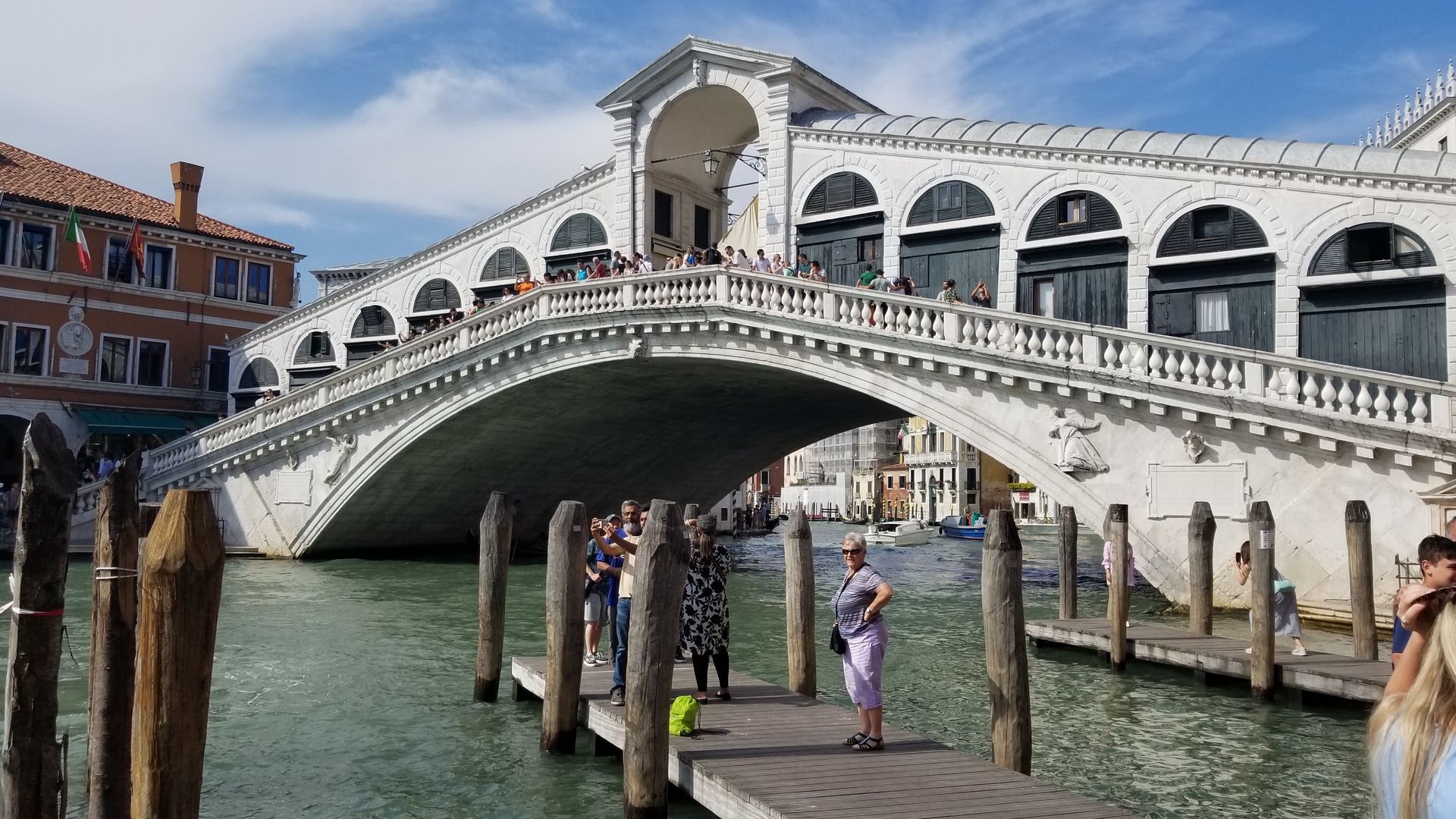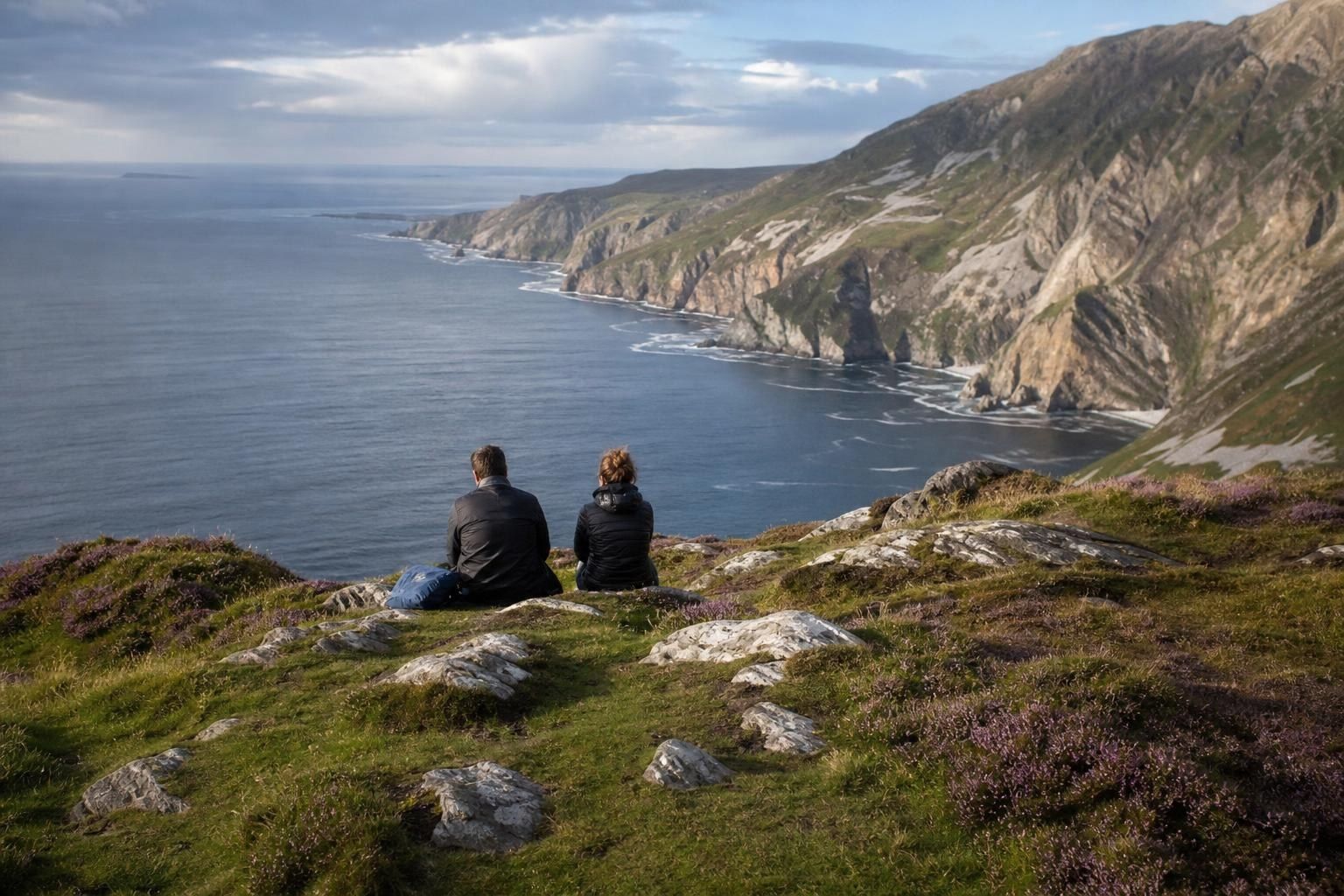
Portugal or Spain for a First Trip to Southern Europe
Choosing between Portugal or Spain for a first trip to Southern Europe is one of the most common questions we hear from travelers planning their initial journey across the Atlantic. Both countries share the Iberian Peninsula, yet they offer distinctly different experiences in terms of scale, cost, culture, and cuisine. The right choice depends on your travel style, your timeline, and what you hope to feel when you return home. Whether you have ten days or three weeks, understanding the practical differences between these two destinations will help you plan a trip that fits your pace and priorities rather than leaving you overwhelmed by too many options.
Evaluating Portugal vs. Spain: A 2027 Travel Framework
Comparing Portugal and Spain requires more than reading a few blog posts about Lisbon nightlife or Barcelona architecture. These are two sovereign nations with distinct languages, currencies of pride (though both use the euro), and radically different approaches to daily life. A useful framework starts with three practical questions: How much ground do you want to cover? How complex are the logistics? And how comfortable are you with a country where English is not always the default?
Spain is the larger, more internationally recognized destination. The country received 42.5 million international travelers in the first half of 2025 alone, representing a 13.3% increase over the prior year. That popularity means excellent infrastructure but also significant crowds at peak sites. Portugal, by contrast, draws roughly a quarter of Spain's visitor numbers, which translates to shorter lines, more authentic local interactions, and a pace that suits travelers who prefer depth over breadth.
Size and Scale: 35,000 Square Miles vs. 195,000 Square Miles
Portugal is roughly the size of the U.S. state of Indiana. Spain is more than five times larger, comparable to Texas. This distinction matters enormously for first-time visitors to Southern Europe.
In Portugal, you can visit Lisbon, take a day trip to the fairy-tale palaces of Sintra, spend two nights in the Douro Valley wine region, and finish in Porto, all within a single week without feeling rushed. The distances between major points of interest rarely exceed three hours by car or train. For couples or retirees who prefer a relaxed pace, this compact geography is a genuine advantage.
Spain demands more planning and more transit time. A trip from Madrid to Seville covers roughly 530 kilometers. Adding Barcelona means either a domestic flight or a lengthy train ride across the country. You can absolutely build a wonderful Spanish itinerary, but it requires more careful scheduling, and first-time international travelers sometimes underestimate how tiring constant movement becomes after the first week.
Ease of Logistics: Comboios de Portugal vs. Renfe AVE High-Speed Rail
Spain's Renfe AVE high-speed rail network is one of Europe's finest. The Madrid-to-Seville route takes just 2.5 hours at speeds exceeding 300 km/h. Connections between Madrid, Córdoba, Málaga, and Barcelona are frequent and reliable. If you are comfortable booking train tickets online (Renfe's website has improved significantly in recent years), Spain's rail system makes multi-city itineraries practical.
Portugal's Comboios de Portugal (CP) network is smaller and slower but perfectly adequate for the country's compact size. The Lisbon-to-Porto Alfa Pendular service covers the distance in about 2 hours and 40 minutes. Regional trains connect smaller cities like Coimbra and Aveiro. The system is less complex to figure out, which matters if you are managing logistics for the first time in a foreign country.
For travelers who prefer not to handle train bookings and airport transfers independently, working with a travel advisory like NuVia Travel can remove that friction entirely. Stefan Terwindt has planned itineraries across both countries extensively, often recommends Portugal for clients who want a less stressful introduction to European rail travel.
Budget and Cost Comparison: Daily Spend Expectations
Money is not everything, but it shapes what kind of trip you can realistically build. Both Portugal and Spain offer strong value compared to destinations like France, Switzerland, or Scandinavia, yet there are meaningful differences between the two.
Average Daily Costs: Why Portugal Remains 15-20% More Affordable
A comfortable daily budget in Portugal for two travelers, covering a quality hotel, meals at local restaurants, transportation, and one activity or entrance fee, runs approximately €300 to €500 per day in 2026. The same standard of experience in Spain typically costs €400 to €700 per day. That 15-20% gap adds up quickly over a ten-day trip.
Dining is where Portugal's affordability becomes most noticeable. A full dinner for two with wine at a respected Lisbon restaurant might cost €50 to €70. A comparable meal in Madrid or Barcelona often runs €70 to €100. Coffee, pastries, and casual lunches follow a similar pattern. A pastel de nata with an espresso at a Lisbon cafe costs under €3. The Spanish equivalent, a café con leche with a pastry, runs closer to €4 to €5 in major cities.
Wine is another area where Portugal punches above its weight. A bottle of excellent Douro red at a restaurant might cost €15 to €25. Spanish Rioja of similar quality often starts at €20 to €35 in restaurant settings.
Accommodation Value: Pousadas de Portugal vs. Paradores of Spain
Both countries operate government-affiliated networks of historic properties converted into hotels. Spain's Paradores and Portugal's Pousadas occupy castles, monasteries, and palaces, offering character and history that chain hotels simply cannot match.
Spain operates roughly 97 Paradores across the country. Nightly rates typically range from €200 to €500 depending on location and season. The Parador de Granada, set within the Alhambra complex itself, is one of the most sought-after hotel rooms in all of Europe.
Portugal's Pousada network is smaller, with around 35 properties. Rates tend to run €150 to €300 per night, making them slightly more accessible. The Pousada de Óbidos, housed inside a medieval castle in a walled town north of Lisbon, is a particular favorite among NuVia Travel clients celebrating anniversaries or milestone birthdays.
Both networks reward advance booking. If a Pousada or Parador stay appeals to you, reserving three to six months ahead is wise, especially for the most popular properties during spring and fall shoulder seasons.
Cultural Identity and Heritage Sites
Portugal's Maritime Legacy and Manueline Architecture
Portugal's cultural identity is inseparable from the sea. The Age of Discovery, when Portuguese explorers charted routes to India, Brazil, and the Spice Islands, left a permanent mark on the country's architecture, cuisine, and national character. You will feel this most powerfully in Belém, a Lisbon neighborhood where the Jerónimos Monastery and the Tower of Belém stand as monuments to that era.
Manueline architecture, a uniquely Portuguese style from the late 15th and early 16th centuries, blends Gothic structure with maritime motifs: ropes, coral, anchors, and armillary spheres carved into stone. The Monastery of Batalha, about 120 kilometers north of Lisbon, is one of the finest examples. Its Unfinished Chapels are open to the sky, creating an effect that photographs cannot fully capture.
Fado music is another pillar of Portuguese identity. Originating in Lisbon's Alfama district, fado is a genre built on saudade, a word with no direct English translation that conveys longing, melancholy, and bittersweet memory. Hearing fado performed live in a small Alfama restaurant is one of the most emotionally resonant experiences available to travelers in Southern Europe.
Spain's Moorish History and UNESCO Icons like the Alhambra
Spain's cultural layers run extraordinarily deep. Nearly 800 years of Moorish rule (711 to 1492) left architectural and culinary influences that distinguish Spain from every other Western European country. The Alhambra in Granada, with its intricate geometric tilework and serene courtyards, remains one of the most visited monuments on the continent. Tickets regularly sell out weeks in advance, so planning ahead is essential.
Spain holds 49 UNESCO World Heritage Sites, the third-highest count of any nation on earth. From the Sagrada Família in Barcelona to the historic center of Córdoba, these sites span Roman, Moorish, Gothic, and modernist traditions. A single trip cannot cover them all, which is precisely why many travelers return to Spain multiple times.
The regional diversity of Spanish culture is also striking. Catalonia, the Basque Country, Andalusia, and Galicia each maintain distinct languages, cuisines, and traditions. This variety is a strength, but it also means that a trip focused solely on Madrid and Barcelona will miss much of what makes Spain genuinely interesting.
Culinary Landscapes and Nightlife Vibes
Food is often the deciding factor for travelers choosing between these two countries, and both deliver experiences that will reshape how you think about European cuisine.
The Tapas Culture vs. Hearty Atlantic Seafood Traditions
Spain's tapas tradition is famous for good reason. The ritual of moving between bars, ordering small plates of jamón ibérico, patatas bravas, gambas al ajillo, and croquetas, is one of the great pleasures of European travel. In cities like San Sebastián, the Basque version called pintxos reaches an art form, with bars displaying dozens of small bites on toothpicks along the counter. San Sebastián holds more Michelin stars per capita than almost any city in the world.
Portugal's culinary identity is more focused and Atlantic-driven. Bacalhau (salt cod) is the national obsession, prepared in reportedly over 365 different ways. Grilled sardines are a summer staple, especially during Lisbon's June festival of Santo António. The seafood rice dishes, particularly arroz de marisco, are rich, saffron-tinged, and deeply satisfying.
Spanish nightlife starts late. Dinner at 10 PM is standard, and bars stay open well past midnight even on weekdays. If you are accustomed to eating at 6:30 PM and winding down by 9, this rhythm requires adjustment. Portugal's dining schedule is earlier by comparison, with most restaurants filling between 7:30 and 9 PM, a pace that many first-time visitors to Southern Europe find more comfortable.
Best Regional Routes for First-Time Visitors
A great itinerary is not about seeing the most. It is about seeing the right things at the right pace. Both countries offer logical routes that minimize backtracking and maximize variety.
The Lisbon-Sintra-Porto Triangle via TAP Air Portugal
TAP Air Portugal operates direct flights from several major U.S. cities, including Newark, Boston, Miami, and Washington Dulles, with Lisbon as its hub. This makes Portugal exceptionally convenient for American travelers. You land in Lisbon, and your trip begins immediately.
A strong seven-to-ten-day Portugal itinerary might look like this:
- Three nights in Lisbon: Alfama, Belém, and the Time Out Market
- One day trip to Sintra for the Pena Palace and Quinta da Regaleira
- Two nights in the Douro Valley for wine tastings and river views
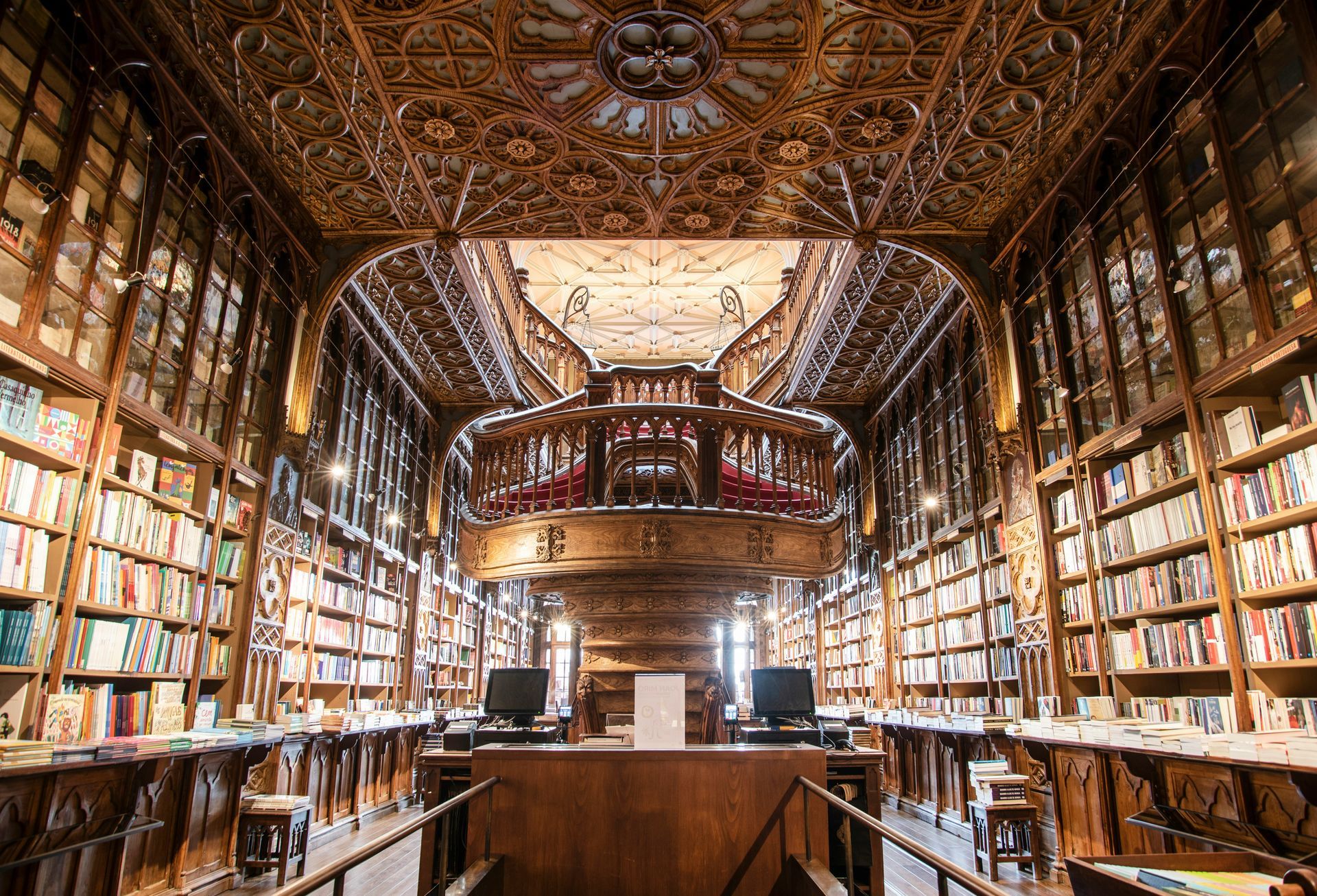
- Two to three nights in Porto for port wine cellars, the Livraria Lello bookshop, and the Ribeira waterfront
- Optional extension to the Algarve coast for two nights of beach time
This route works beautifully by train and rental car. The distances are short, the logistics are straightforward, and the variety between urban, rural, and coastal settings keeps the trip feeling fresh.
The Madrid-Seville-Barcelona Route via Iberia Airlines
Iberia Airlines and its low-cost subsidiary Iberia Express connect Spain's major cities efficiently. A classic first-time Spain route covers three distinct regions:
- Three nights in Madrid: the Prado Museum, Retiro Park, and the neighborhoods of Malasaña and La Latina
- Two to three nights in Seville: the Alcázar, the Cathedral, and flamenco performances in Triana
- Optional one night in Córdoba en route (the Mezquita alone justifies the stop)
- Three nights in Barcelona: the Sagrada Família, Park Güell, and the Gothic Quarter
This itinerary covers roughly 12 to 14 days if you include Córdoba and allow for a relaxed pace. The Madrid-to-Seville AVE train is fast and comfortable. The Seville-to-Barcelona leg is best handled by a short domestic flight, as the train connection is indirect.
The trade-off is clear: Spain's route covers more ground and more cultural variety, but it also demands more energy and more transit days. Portugal's triangle is tighter, simpler, and better suited to travelers who want to unpack once or twice and settle into a rhythm.
The Final Verdict: Which Country Fits Your Travel Style?
Portugal is the better choice if you want a compact, manageable first experience in Southern Europe. The country rewards slow travel, offers excellent value, and presents fewer logistical challenges. Its food is hearty and honest, its people are warm, and its scale means you will not spend half your trip on trains and planes. For couples celebrating a milestone or retirees making their first transatlantic journey, Portugal delivers a deeply satisfying trip without the overwhelm.
Spain is the right pick if you have at least 12 days, you enjoy variety and stimulation, and you are comfortable with a faster pace. The cultural depth is staggering, the food scene is world-class, and the regional differences between Andalusia, Catalonia, and Castile make it feel like visiting three countries in one. Spain rewards repeat visits, so even if you do not see everything the first time, you will have a strong foundation to build on.
Neither choice is wrong. Both countries will change how you think about food, history, and daily life. The question is simply which experience matches where you are right now as a traveler.
If you are ready to start shaping your first Southern European itinerary with an advisor who knows both countries intimately, Start Your Custom Journey with NuVia Travel. We will handle the logistics, vet the hotels, and build a trip paced to how you actually want to travel.