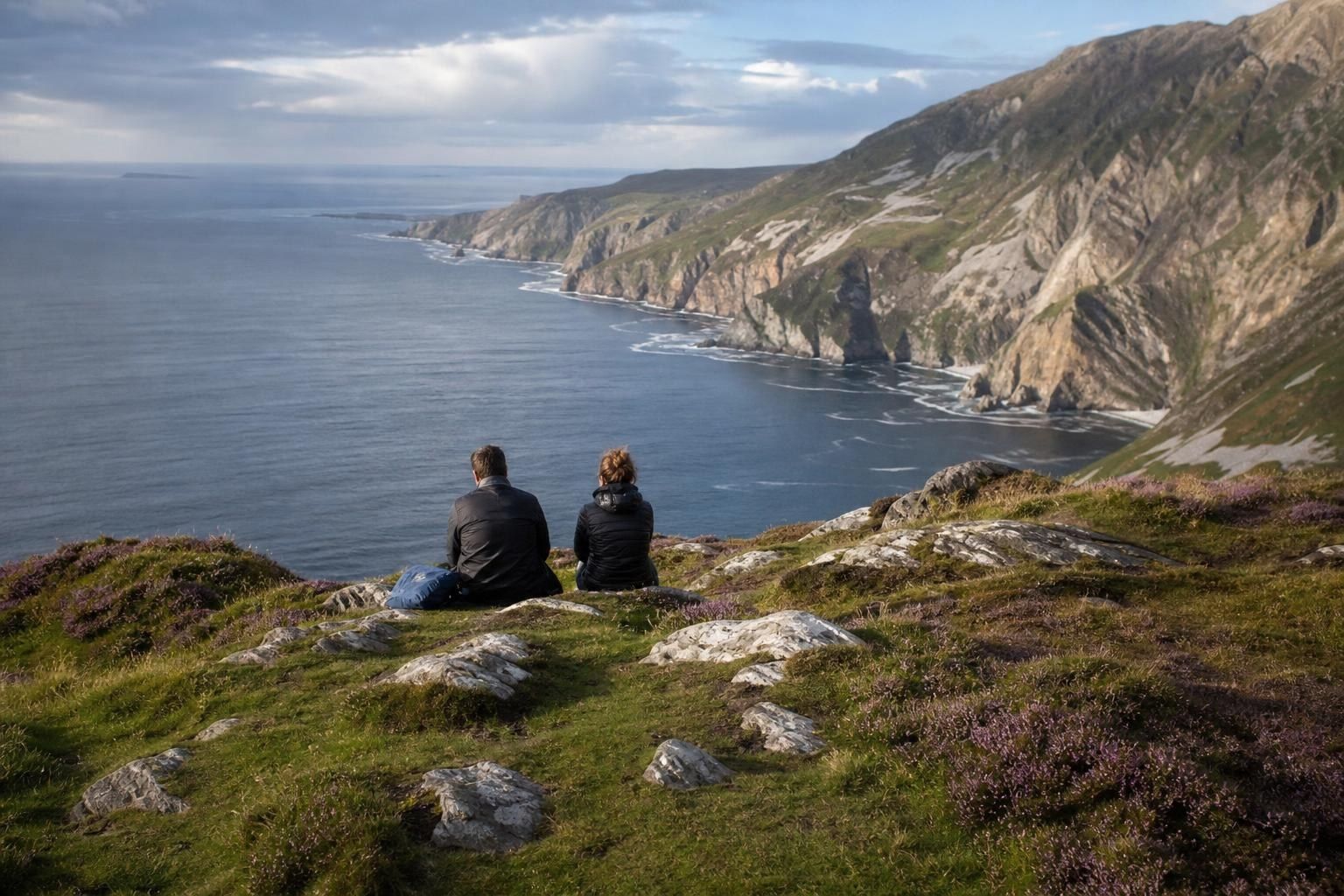
How to Plan a Multi-Country Europe Trip
Learn how to plan a multi-country Europe trip with our expert framework for managing logistics, transit, and budgets to ensure a stress-free adventure
Planning a trip across multiple European countries is one of those projects that sounds thrilling until you actually sit down to do it. Suddenly you're juggling train schedules, visa rules, currency conversions, and the eternal question of how many pairs of shoes you can realistically fit in a carry-on. The good news: with a clear framework, the whole process becomes far less overwhelming and a lot more exciting. Whether you're mapping out a two-week sprint through Western capitals or a slow month-long loop through the Balkans, the key is making smart decisions early so you can spend your actual trip enjoying it rather than troubleshooting it. This guide breaks down the practical steps for planning a multi-country Europe trip: from choosing your route and booking transport to handling money, packing smart, and keeping your energy up across borders. Think of it as the cheat sheet I wish I'd had before my first attempt, which involved a missed connection in Brussels, an expired rail pass, and a very expensive last-minute flight from Prague.
Defining Your Route and Regional Focus
The single biggest decision you'll make is which countries to include and in what order. Get this right and everything else falls into place. Get it wrong and you'll spend half your trip on buses watching the countryside blur by instead of actually being in it.
Choosing Between Popular Circuits and Off-the-Beaten-Path Gems
The classic routes exist for good reason. Paris to Amsterdam to Berlin, or Rome to Florence to Barcelona: these itineraries have well-established transport links, tons of accommodation options, and no shortage of things to do. But they also come with crowds and higher prices, especially from June through August.
If you have some flexibility, mixing one or two lesser-visited countries into your route pays off enormously. Slovenia, Albania, and Portugal's Alentejo region offer stunning experiences at a fraction of the cost. A practical approach: anchor your trip around two or three must-see cities, then fill in the gaps with places that are geographically convenient and genuinely interest you.
Grouping Countries Geographically to Minimize Travel Time
This sounds obvious, but I've seen people plan routes that zigzag across the continent like a drunk bee. Hopping from Spain to Poland to Greece wastes days in transit. Instead, cluster your destinations into a logical geographic arc.
Think of Europe in regional blocks: Iberian Peninsula (Spain, Portugal), Benelux and France, Central Europe (Germany, Austria, Czech Republic, Hungary), the Nordics, the Balkans, and the Mediterranean coast. Pick one or two adjacent blocks and build your route within them. A rough rule: if a single leg of your journey takes more than six hours, reconsider whether that destination belongs on this particular trip.
Factoring in Seasonal Weather and Peak Tourist Times
Timing shapes your experience more than most people realize. Southern Europe in July and August is brutally hot, with temperatures regularly exceeding 40°C in cities like Seville and Athens. Meanwhile, Scandinavia in those same months is glorious: long days, mild weather, and far fewer tourists than the Mediterranean.
Shoulder seasons (April to May and September to October) are the sweet spot for most of Western and Central Europe. Prices drop, crowds thin out, and the weather stays pleasant. If you're visiting Eastern Europe or the Balkans, late spring is particularly rewarding: green landscapes, warm days, and local festivals that haven't been overrun by tour groups.
Navigating Transportation Across Borders
Transport is where your budget and your schedule either work together or fight each other. Europe has an incredible network of trains, buses, and budget airlines, but choosing the wrong option for a given leg can cost you hours or hundreds of euros.
Evaluating Rail Passes Versus Point-to-Point Train Tickets
Eurail passes have gotten more flexible in recent years, and the 2026 pricing structure offers some genuinely good deals for trips covering four or more countries. But they're not always the cheapest option. If you're only crossing three or four borders and can book two to three months ahead, individual tickets on national rail sites (SNCF, Deutsche Bahn, Trenitalia) often beat the pass price.
The pass makes sense when you want flexibility to hop on trains without advance booking, or when you're covering a lot of ground in a short time. Run the numbers for your specific route before committing.
Utilizing Budget Airlines and Regional Buses
Budget carriers like Ryanair, Wizz Air, and easyJet connect hundreds of European cities for as little as 15 to 40 euros if you book early. The catch: baggage fees, airport locations (often far from city centers), and tight schedules. Factor in the true cost including transport to and from the airport before assuming a flight is cheaper than a train.
For shorter distances, FlixBus and BlaBlaCar remain excellent budget options. A four-hour bus ride between neighboring capitals often costs under 20 euros and drops you in the city center. The tradeoff is comfort, but for budget-conscious travelers, it's hard to argue with those prices.
Understanding International Car Rental and Driving Laws
Renting a car makes sense in rural areas: the Scottish Highlands, Tuscany, or Norway's fjords. It rarely makes sense in cities, where parking is expensive and public transit is superior. If you do rent, be aware that many companies charge steep one-way drop-off fees for cross-border returns. Picking up and returning in the same country saves significant money.
Driving laws vary between countries. Speed cameras are everywhere in France, roundabout rules differ in the UK, and some countries require you to carry a reflective vest and warning triangle. Check requirements before you cross each border.
Managing Logistics, Visas, and Legal Requirements
Paperwork isn't glamorous, but getting it wrong can derail your trip fast. A little preparation here prevents a lot of stress later.
Navigating Schengen Area Rules and Entry Requirements
The Schengen Zone covers 29 European countries as of 2026, allowing free movement between them on a single visa. For most non-EU passport holders, you're allowed 90 days within any 180-day period. That's cumulative across all Schengen countries, not per country: a common misunderstanding that catches people off guard.
The EU's ETIAS travel authorization system, now fully operational, requires visa-exempt travelers (including US, Canadian, and Australian citizens) to register online before arrival. It costs 7 euros and is valid for three years. Apply at least 72 hours before your trip, though approvals usually come within minutes.
Handling Multiple Currencies and International Banking
The euro covers most of Western Europe, but countries like the Czech Republic (koruna), Hungary (forint), Poland (zloty), and Sweden (krona) use their own currencies. Exchanging cash at airports or tourist areas gives terrible rates.
Your best bet: a travel-friendly debit card with no foreign transaction fees. Wise (formerly TransferWise) and Revolut remain the top choices in 2026 for multi-currency spending. Load up your account before departure and pay by card wherever possible. ATM withdrawals in local currency usually give you a better rate than any exchange bureau, just decline the "conversion" option the machine offers.
Budgeting for a Multi-Destination Journey
Your daily budget can swing wildly depending on which countries you visit and how you travel between them. Planning for this variance prevents unpleasant surprises.
Comparing Costs Between Eastern and Western Europe
The cost difference remains dramatic. A comfortable day in Paris or Amsterdam (accommodation, meals, transport, one activity) runs 150 to 250 euros per person. The same quality of day in Budapest, Krakow, or Sofia costs 50 to 90 euros. That's not a minor difference: it's the kind of gap that lets you extend your trip by a week if you plan around it.
A smart strategy: bookend your trip with cheaper destinations. Start in Eastern Europe while you're still adjusting to travel mode, hit the expensive capitals in the middle when you're most energized, and wind down somewhere affordable.
Allocating Funds for Hidden Costs and Daily Expenses
City taxes (typically 1 to 5 euros per night), luggage storage fees, museum entry, and the occasional splurge meal add up faster than you'd expect. Budget an extra 15 to 20 percent on top of your planned daily spend as a buffer.
- City tourist taxes are charged per person per night in most major cities
- Luggage storage at train stations costs 5 to 12 euros per bag
- SIM cards or eSIM data plans run 10 to 30 euros per month
- Laundry (every week or so) costs 5 to 10 euros at a laundromat
Packing and Preparation Essentials
How you pack directly affects how much you enjoy your trip. Every unnecessary item becomes a burden you carry across cobblestones, up hostel stairs, and through crowded train platforms.
Strategies for Packing Light for Frequent Transit
One carry-on-sized backpack (40 to 45 liters) or a small rolling bag is the goal. Anything bigger and you'll regret it by day three. Pack clothes you can mix and match, stick to a single color palette, and bring fabrics that dry quickly after hand-washing.
The real trick is being honest about what you'll actually use. That "just in case" jacket, the third pair of shoes, the paperback you'll never open: leave them home. You can buy almost anything you need in Europe, often for less than you'd expect.
Staying Connected with eSIMs and Local Data Plans
If your phone supports eSIM (most phones made after 2022 do), grab a European data plan before you leave. Providers like Airalo and Holafly offer multi-country plans covering the EU for 30 to 90 days. Prices range from 10 to 40 euros depending on data allowance, and activation takes minutes.
Reliable data access isn't a luxury: it's how you'll navigate unfamiliar cities, translate menus, check train times, and stay in touch. Free Wi-Fi at cafes and hostels works as a backup, but having your own connection eliminates a surprising amount of daily friction.
Maximizing Your Time and Avoiding Burnout
Here's the truth nobody tells you when you're excitedly planning a European adventure across six countries: the trip can exhaust you if you don't build in breathing room. Travel fatigue is real, and it hits hardest around the two-week mark when the novelty wears off and every new city starts feeling like another checklist.
The fix is simple. Spend at least two to three nights in each destination. One-night stops are almost never worth the logistics: you arrive tired, rush through sights, and leave before you've gotten any feel for the place. Build in one "nothing day" per week where you have zero plans. Sit in a park, wander without a map, eat somewhere that isn't on any list. These unstructured days often produce the best memories.
Keep your total country count reasonable. Three to five countries in two to three weeks is a comfortable pace. More than that and you're collecting passport stamps, not experiences. The best multi-country trips through Europe aren't the ones that cover the most ground: they're the ones where you actually remember what you saw, who you met, and how the coffee tasted at that tiny place on the corner in Ljubljana. Plan well, pack light, stay flexible, and give yourself permission to slow down.