Best Boutique Hotels in Europe: Debunking the 5-Star Brand Myth

Stefan Terwindt • July 30, 2026

That shiny gold plaque from a global hotel chain might actually be the biggest obstacle to your perfect European holiday. You've likely spent hours scrolling through endless lists, feeling the weight of decision fatigue as every luxury property starts to look identical. It's frustrating to pay a premium only to find a cookie-cutter room that feels like it could be in New York rather than Naples. You want the certainty of professional service without sacrificing the soul of your destination. We understand that your time is too valuable to spend on a stay that feels generic.


This guide will show you why the best boutique hotels in Europe for 2026 are often independent properties that prioritize architectural heritage over corporate brand recognition. You'll learn how to identify authentic luxury that balances unique character with the meticulous service you expect. We provide a clear framework for selecting accommodations that anchor your daily itinerary, ensuring your stay is as seamless as it is memorable. From restored 500-year-old palazzos in Malta to secluded French retreats, we're debunking the five-star brand myth to help you reclaim your travel experience with confidence.


Key Takeaways

  • Understand why historical soul and hyper-local character define luxury in 2026 more effectively than any global chain's corporate branding.
  • Apply the "Sense of Place" test to ensure your property offers a unique cultural connection that couldn't exist anywhere else in the world.
  • Discover how to identify the best boutique hotels in Europe by prioritizing high staff-to-guest ratios and unscripted, professional service over trendy aesthetics.
  • Learn why your hotel selection is the most critical logistical tool for a seamless itinerary, serving as the anchor for your daily movement and timing.
  • Gain the confidence to choose independent properties with deep architectural heritage that offer superior value and authenticity for your European escape.


Beyond the Brand: Why Boutique Hotels Define European Luxury in 2026


Many travelers believe that a recognizable logo is a guarantee of quality. In reality, the 5-star brand often functions as a shield against the very culture you traveled to see. Real luxury in 2026 isn't found in standardized lobby scents or identical breakfast buffets across three continents. It's found in the "historical soul" of a property. When we curate the best boutique hotels in Europe, we look for a combination of architectural heritage and hyper-personalized service that no global chain can scale. The safest choice often results in the most forgettable trip because it lacks the grit and grace of a local narrative.


If you're wondering what is a boutique hotel? at its core, it's an establishment that prioritizes intimacy and local identity over mass-market appeal. While global chains offer "corporate sanitization," independent boutique hotels offer character. This isn't just about aesthetics; it's about a "Sense of Place" where the building's history informs your experience. Staying in a restored 500-year-old palazzo like the upcoming Romègas in Valletta, scheduled to open in late summer 2026, provides a connection to Malta's history that a modern glass tower simply cannot replicate. We view architectural heritage as a primary luxury marker because it's the one thing a competitor can't buy or build from scratch.


Myth #1: A Global 5-Star Chain is Always the Safest Bet


The belief that a global brand ensures better service is a common misconception that often limits your experience. Corporate protocols frequently stifle authentic hospitality, turning every guest interaction into a scripted transaction. Independent icons like The Goring in London prove that you don't need a global loyalty program to maintain world-class standards. These properties often exceed the service levels of major brands because their staff are empowered to act as genuine hosts rather than policy enforcers. You get professional service without the cold, mechanical feel of a corporate handbook. Finding the best boutique hotels in Europe means opting for a stay where the concierge knows your name because they actually care, not because a computer screen prompted them.


The Anatomy of a World-Class Boutique Stay: What to Look For


Identifying the best boutique hotels in Europe requires a shift in perspective that moves beyond mere interior design. You aren't just looking for a stylish room; you're looking for a property that passes the "Sense of Place" test. Ask yourself: could this hotel exist anywhere else? A world-class boutique stay should be inseparable from its surroundings. This is why we prioritize restored palazzos, converted monasteries, and historic estates over modern "boutique-style" builds. The former carries a weight of history and architectural integrity that a new construction simply cannot mimic, providing an anchor for your entire European experience.


True luxury is found in the operational details that global chains often overlook to save on costs. We look for high staff-to-guest ratios that allow for intuitive, unscripted service. A non-scripted concierge is your most valuable asset during a stay. They shouldn't just hand you a pre-printed map of tourist traps; they should offer nuanced insights based on their own life in the city. Similarly, the culinary philosophy must be hyper-local. A great boutique hotel kitchen serves the neighborhood, sourcing ingredients from the market down the street rather than following a corporate menu designed in a distant headquarters. If the menu looks the same in Paris as it does in Prague, it isn't a true boutique experience.


Evaluating Authenticity Over Aesthetic


An authentic boutique property is one where the owner’s specific vision is visible in every detail, from the curated library to the choice of local artisans for the room's textiles. Beware of "boutique-washing" in mid-tier hotel marketing, where generic properties use trendy wallpaper and Edison bulbs to mask a lack of professional service. To truly bridge the gap between your hotel and the city, we often pair Boutique Hotel Bookings with private guided tours. This ensures that the local expertise you find within the hotel walls extends seamlessly into your exploration of the streets outside, creating a cohesive and effortless travel experience.


Curating Your Stay: How Boutique Hotels Elevate Your Custom Itinerary


The hotel you choose acts as the gravitational center of your entire trip. While many travelers view a booking as an isolated transaction, we treat it as a strategic logistical decision that dictates the rhythm of your day. The best boutique hotels in Europe are those that minimize your mental load by placing you exactly where you need to be before you even realize it. This is the difference between a trip that feels like a series of chores and one that flows with effortless intention. We match the property’s personality to your specific daily goals, ensuring a high-energy city day ends in a quiet sanctuary rather than another crowded, noisy lobby.


Our vetting process relies on firsthand European insight rather than online reviews that often prioritize "trendy" over "functional." Stefan Terwindt’s Dutch heritage and years of on-the-ground research allow us to bypass the overpriced traps that look great on social media but fail in practice. Selecting the best boutique hotels in Europe is about finding properties that offer luxury immersion without the logistical overwhelm of navigating poorly connected neighborhoods. We look for "this without that" scenarios: the charm of a medieval quarter without the frustration of being inaccessible by car, or the seclusion of a countryside estate without the isolation from local dining.


Why Logistics Matter More Than Lobby Decor


A poorly located hotel can easily waste two hours of your day in transit. If your morning starts with a stressful commute to meet your guide, the value of that private tour is already diminished. We focus on "effortless movement," selecting stays that serve as a natural extension of your itinerary. This ensures you spend your time inside the Uffizi or exploring a Cretan vineyard, not sitting in the back of a taxi. By treating the hotel as a logistical tool, we protect your most limited resource: your time.

Let us architect your seamless European journey


Reclaiming Your European Narrative through Authentic Stays


Choosing a hotel shouldn't feel like a compromise between comfort and character. By prioritizing architectural heritage and high staff-to-guest ratios, you ensure your 2026 trip is rooted in authenticity rather than corporate scripts. You now have the framework to look past the global logo and find the best boutique hotels in Europe that truly serve as the anchor for your daily adventures. Real luxury is found in the "Sense of Place" that connects you to the city's history while providing a sanctuary from the logistical noise of travel.


NuVia Travel exists to remove the mental load of these complex decisions. Led by Dutch-born expert Stefan Terwindt, we specialize in high-end, culturally immersive boutique stays that global search engines often overlook. We don't just book rooms; we architect seamless experiences where your accommodation and itinerary work in perfect harmony. Plan your custom European itinerary with NuVia Travel to ensure every detail of your journey is handled with professional precision. Your next great European discovery is waiting for you.


Frequently Asked Questions


What is the real difference between a boutique hotel and a luxury hotel?


The primary difference lies in the property's scale and its connection to local identity. While a luxury hotel often focuses on standardized high-end amenities and global brand status, a boutique property prioritizes historical soul and intimate, personalized experiences. Many of the best boutique hotels in Europe are luxury properties, but they avoid the corporate sanitization found in larger 5-star chains by offering a unique "Sense of Place."


Are boutique hotels in Europe family-friendly for 2026 travel?


Yes, many boutique properties have adapted to the growing demand for family-friendly itineraries as the "slow travel" trend continues into 2026. You'll find that independent hotels often provide more flexible room configurations, such as connecting suites in restored villas, which offer more character than standard chain rooms. It's essential to vet these properties for specific needs, as their smaller scale allows for a more tailored approach to your family's daily requirements.


How do I know if a boutique hotel has high-end service standards?


You can identify high-end service by evaluating the staff-to-guest ratio and the empowerment of the concierge. A world-class boutique stay will typically have a high number of employees per guest, ensuring that your needs are anticipated rather than just met. Look for properties where staff interactions feel genuine and unscripted; if the team can solve complex logistical problems without consulting a corporate handbook, you've found a property with professional service standards.


Is it better to book boutique hotels through a travel agent or directly?


Booking through an expert who specializes in best boutique hotels in Europe is superior because it ensures your stay is logistically integrated with your entire trip. While direct booking is an option, a specialized planner provides a layer of vetting and firsthand insight that protects your time and resources. We ensure your hotel choice aligns perfectly with your private tours and daily movement, reducing your mental load and preventing the frustration of a poorly located property.

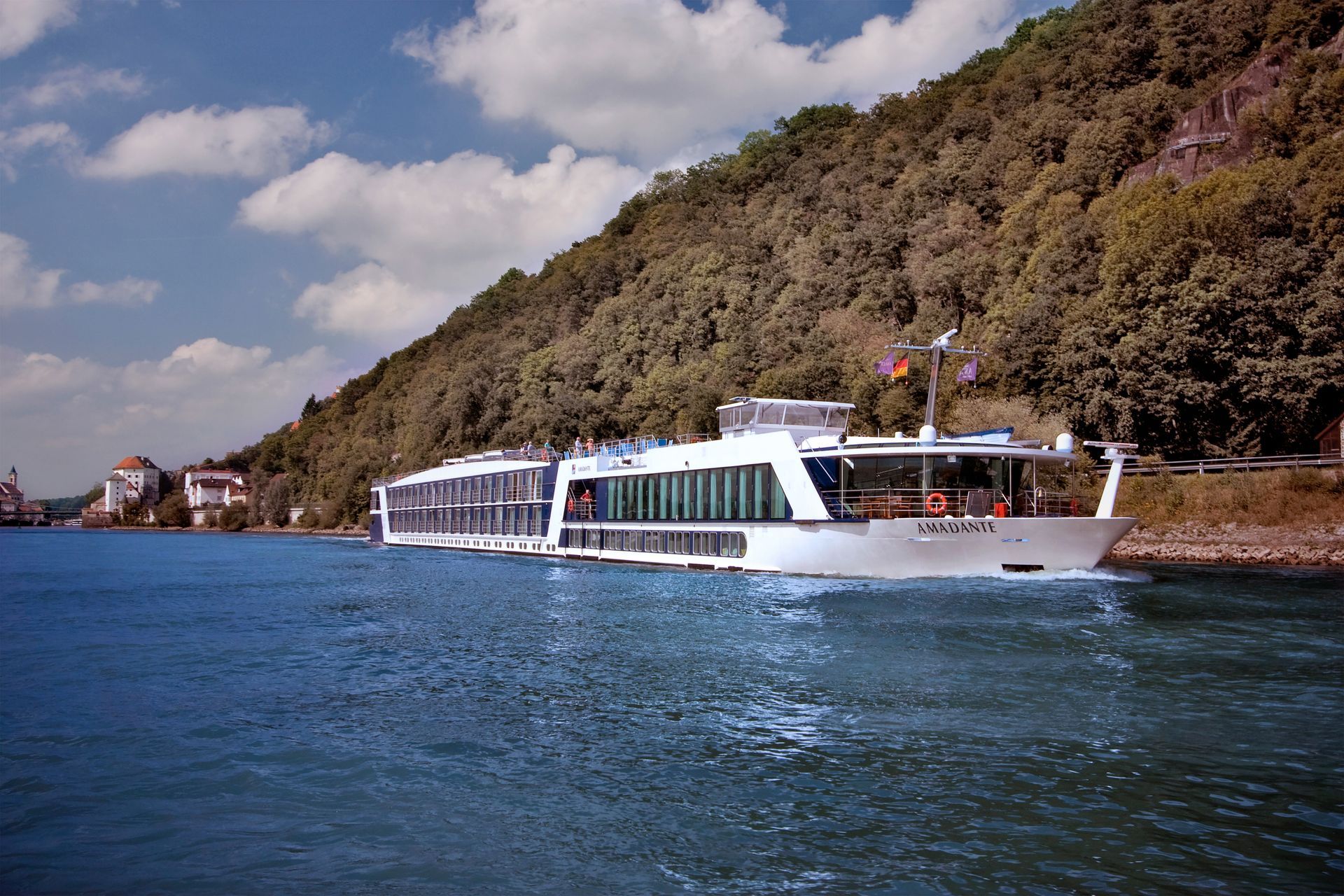
River cruise boat on a wide river with a forested hillside, castle, and village along the shore
By Stefan Terwindt July 29, 2026
Discover 2026's best luxury european river cruises. Our guide shows you how to plan a personalized journey with exclusive access, avoiding tourist traps.
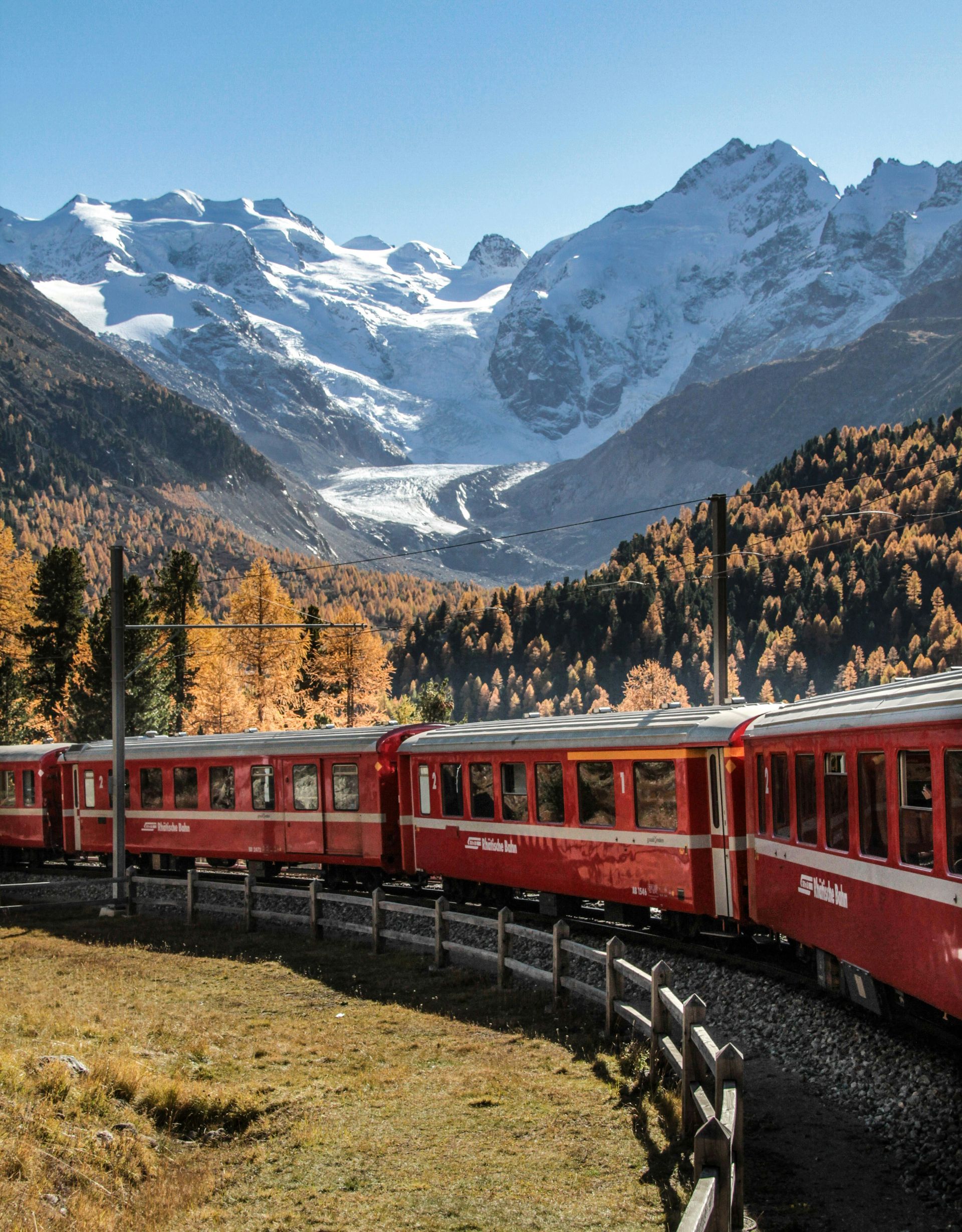
Alpine meadow with wildflowers, a reflecting lake, and snowcapped mountains under a clear sky
By Stefan Terwindt July 28, 2026
Plan seamless luxury Switzerland tours for 2026. Our guide reveals how to book private guides, boutique stays & navigate ETIAS for an effortless alpine escape.
Person standing on a balcony in a tropical, draped bedroom with a canopy bed and ocean view
By Stefan Terwindt July 27, 2026
Wondering how to choose a boutique hotel in Europe? I'll show you how to look past trendy wallpaper to find truly vetted properties that improve your trip.
Couple taking a selfie on a gondola in a sunny canal, with colorful buildings beside the water.
By Stefan Terwindt July 25, 2026
If your 2026 travel plans involve checking off thirty landmarks in ten days, you aren't planning a vacation; you're planning a logistical marathon that ends in exhaustion. True luxury Europe vacations shouldn't feel like a race against a spreadsheet. You've likely felt the decision fatigue that comes from endless "best of" lists and the creeping anxiety of managing new entry requirements like the ETIAS rollout. It's frustrating when the dream of a seamless escape is buried under the weight of logistical friction and the fear of missing out. You deserve an itinerary that prioritizes depth over volume, allowing you to actually experience a destination rather than just passing through it. This guide will show you how to master the art of the curated journey through meticulous pacing and logistical precision. We'll explore how to secure boutique, non-mass-market experiences and build a schedule that offers effortless movement between private tours and quiet moments of discovery. By the end, you'll have the confidence to trade travel burnout for a sophisticated, well-balanced adventure that feels as effortless as it is exclusive. Key Takeaways Discover why prioritizing depth of experience over a high volume of landmarks is the cornerstone of successful luxury Europe vacations. Learn how to design a custom itinerary that balances iconic sights with boutique, non-mass-market moments for a truly authentic escape. Understand the unique benefits of luxury river cruises for travelers who value effortless exploration and world-class service. Identify your ideal travel pace to prevent travel burnout and ensure your schedule remains inspiring rather than exhausting. Gain clarity on essential 2026 logistics, such as ETIAS requirements, to maintain complete confidence in your travel arrangements. Table of Contents Defining the 2026 Luxury Europe Vacation: Curation Over Collection A Roundup of Premium European Travel Styles for the Discerning Explorer The Architect’s Blueprint: Seamless Planning for 2026 Defining the 2026 Luxury Europe Vacation: Curation Over Collection A sophisticated vacation isn't about how many stamps you collect but how many moments stay with you long after you've returned home. For your 2026 luxury europe vacations, think of travel as a meticulous art form. It's the delicate balance between standing before iconic landmarks and retreating to quiet, culturally immersive spaces that most travelers overlook. When you fall into the trap of the "see it all" mentality, you often end up seeing nothing with any real clarity. The rush to check boxes creates a blur of transit hubs and crowded plazas, leading to a significant drop in the actual value of your time and investment. To avoid this, we utilize a strategy called geographic anchoring. This involves choosing one or two specific regions to explore deeply rather than skimming the surface of five different countries. You might spend a week uncovering the layers of the Peloponnese or the hidden valleys of the Swiss Alps. This approach allows for a genuine connection with the local rhythm and removes the friction of constant packing and unpacking. Part of this thoughtful curation involves defining luxury accommodations by their sense of place and historical integrity rather than just their brand name. A premium 2026 vacation is ultimately a blend of logistical precision and curated flexibility. The 2026 Travel Landscape: Depth as the New Luxury The shift toward slow travel is a direct response to the exhaustion caused by mass tourism. In 2026, luxury is defined by the luxury of space and the absence of crowds. You don't want to be another face in a sea of tourists; you want an experience that feels personal and exclusive. This is why private guided access is a non-negotiable element of modern planning. Major heritage sites across the continent are seeing record attendance numbers. Securing after-hours entry or early-access tours is the only way to appreciate these wonders with the serenity they deserve. By prioritizing these boutique, non-mass-market experiences, you ensure your journey remains profound rather than performative. A Roundup of Premium European Travel Styles for the Discerning Explorer Choosing the right travel style is about matching your personal rhythm with the continent's diverse offerings. For those seeking the pinnacle of luxury europe vacations , the choice often falls between the curated flow of a custom land journey or the floating elegance of a river cruise. Both paths offer distinct rewards, provided they're designed with a focus on depth rather than a frantic pace. Custom multi-city itineraries provide a meticulously designed sequence of experiences, moving you seamlessly between destinations without the stress of logistical friction. Alternatively, European river cruises along the Danube or the Rhine remain the gold standard for effortless exploration. These voyages allow you to wake up in a new cultural capital every morning while enjoying world-class service and gourmet dining. It's the ultimate "unpack once" experience for the sophisticated traveler. Private guided tours are the key to unlocking "hidden gems" that aren't found in standard guidebooks. You gain insider expertise that lets you bypass long lines and enter heritage sites with a level of intimacy that mass-market tours can't provide. If you prefer active engagement, outdoor and adventure escapes offer high-end movement. This might look like guided hikes through the Swiss Alps or private yachting along the rugged Atlantic coast of Portugal. These experiences prove that luxury isn't just about where you sleep; it's about how you engage with the world. The Boutique Hotel Advantage Curated stays often beat traditional luxury chains because they offer authentic cultural immersion. As an insider expert with Dutch roots, I know that the right hotel should feel like an extension of the city itself. These properties prioritize architectural integrity and local character over generic amenities. If you're looking for a stay that offers a true sense of place, exploring our boutique hotel bookings is an excellent starting point. Family-Friendly Sophistication Designing stress-free itineraries for multiple generations requires a delicate balance of engagement and rest. Pacing is your most valuable tool when traveling with family. You want to keep every generation inspired without causing burnout. By blending private family tours with scheduled downtime, you create a premium experience that respects everyone's needs. It's about building memories through shared discovery rather than shared exhaustion. The Architect’s Blueprint: Seamless Planning for 2026 Planning a high-end journey requires more than just selecting destinations on a map. It demands a structural understanding of how you move through space and time. To ensure your 2026 luxury europe vacations remain effortless, you must start with a clear assessment of your "Travel Pace." Are you an active explorer who thrives on a full calendar of private tours, or a leisure seeker who values long, unscheduled afternoons? Defining this early prevents the common mistake of over-scheduling, which quickly turns a dream escape into a chore. The logistical landscape is also shifting. By 2026, the ETIAS (European Travel Information and Authorisation System) will be fully operational. While it's a straightforward security pre-screening, it's a mandatory step that requires early attention to avoid boarding delays. Beyond paperwork, you need to map your physical connections with expert timing. European train travel is iconic, but a ticket alone doesn't guarantee a smooth transition. Real precision involves accounting for the complexities of major hubs like Paris or Milan, ensuring your transfers are timed to avoid the stress of a missed connection. Finally, inventory is the greatest hurdle for the discerning traveler. Boutique river cruise ships and exclusive cultural events for the 2026 season often see bookings finalized twelve to eighteen months in advance. Securing private access early isn't just about getting a spot; it's about securing the specific suite or the exact local expert that aligns with your interests. Waiting too long often means settling for mass-market alternatives that lack the depth you've come to expect. Avoiding the Logistical Friction DIY planning often looks efficient on a screen, but it frequently leads to "movement fatigue" once you're on the ground. When you manage every hotel check-in and transit detail yourself, you're never truly off the clock. A professional travel advisor acts as a meticulous architect for your journey. We handle the heavy lifting of logistics and troubleshooting, allowing you to inhabit the role of the traveler rather than the tour manager. This level of oversight ensures that your experience is defined by discovery and ease, not by the mental load of constant coordination. Your Legacy Journey for 2026 A successful escape is the result of intentional design rather than chance. By prioritizing depth over volume and embracing geographic anchoring, you ensure your 2026 luxury europe vacations are defined by meaningful connection rather than movement fatigue. We've explored how the right travel style, from boutique hotel stays to elegant river cruises, provides a framework for discovery that feels both exclusive and effortless. The shift toward slow travel and private access isn't just a trend; it's a necessary evolution for those who value their time and cultural enrichment. Expert coordination is the bridge between a stressful trip and a seamless one. NuVia Travel, led by our Dutch-born founder, provides the insider European knowledge and meticulous planning required to eliminate logistical friction. We specialize in premium river cruises and curated boutique stays, offering you a sophisticated itinerary built on architectural precision and personal insight. You deserve a journey that reflects your standards without the burden of managing the details yourself. Start planning your custom 2026 European itinerary with NuVia Travel and secure your place in a year of exceptional travel. Let's build an experience that stays with you long after the return flight home. Frequently Asked Questions What is the best time to visit Europe in 2026 for a luxury vacation? The most favorable window for a luxury europe vacation is during the shoulder seasons, specifically from May through June or September through October. These months offer a sophisticated balance of pleasant weather and manageable crowd levels at iconic heritage sites. You'll avoid the intense summer heat and the peak tourist rush, which allows for a more serene experience during private guided tours and outdoor excursions. Do I need a visa for Europe vacations in 2026? United States citizens will require an ETIAS (European Travel Information and Authorisation System) approval for travel starting in 2026. This isn't a traditional visa but a mandatory security pre-screening designed to enhance border safety across the Schengen Area. The application is a straightforward online process, but it's essential to secure your authorization well before your departure to ensure your arrival is entirely seamless. How much does a custom European vacation package typically cost? The investment for a bespoke journey varies significantly based on the level of curation, the duration of your stay, and the exclusivity of the experiences selected. High-end luxury europe vacations prioritize the value of logistical precision and private access over generic, fixed-price options. Your final budget is influenced by your choice of boutique hotels, the complexity of your transit connections, and whether you opt for specialized services like private yachting or after-hours museum entries. What are the most family-friendly destinations in Europe for 2026? Italy and the Netherlands are exceptional choices for multi-generational travel due to their combination of cultural depth and logistical ease. Italy provides a rich tapestry of history and world-class dining that engages both children and adults, while the Netherlands offers a safe, accessible environment perfect for family cycling and canal exploration. Switzerland also stands out for families seeking high-end outdoor adventures with the comfort of superior mountain infrastructure.
Tower Bridge lit at dusk over the River Thames, with reflections shimmering on the water.
By Stefan Terwindt July 25, 2026
Master how to plan a multi country trip to Europe in 2026. Use the Anchor & Spoke method for a seamless, premium itinerary with boutique stays.
Map of the Netherlands, showing cities like Amsterdam and Rotterdam, with surrounding areas in Europe.
By Stefan Terwindt October 18, 2025
Find the safest places to travel in 2026. Get expert advice for secure trips with NuVia Travel. Plan your safe adventure today!
Colosseum in Rome, Italy, with arched windows and damaged exterior against a blue sky.
By Stefan Terwindt October 7, 2025
Rick Steves is great for DIY basics. See when a premium, concierge itinerary saves time, skips lines, and upgrades hotels, guides, and dining.
Sunrise over ocean, viewed from cruise ship deck. Sun reflects on water, ship structure visible.
By Stefan Terwindt October 6, 2025
New to cruising? This guide eases top worries and covers cabins, itineraries, excursions & ship differences—so you can relax with an expert-planned voyage.
A clown fish is swimming in a coral reef
By Stefan Terwindt August 14, 2025
Let's start with a pop-quiz: Which country has the most UNESCO World Heritage Sites? It's Italy, with a whopping 58 UNESCO World Heritage Sites due to its rich history as the center of the Roman Empire and the heart of the Renaissance. But as of 2025, there are 1,199 UNESCO World Heritage Sites spread across 167 countries, with 900 categorized as cultural, 218 as natural, and 39 as mixed properties. Here are a few of my favorites: From sweeping natural landscapes to ancient cultural treasures, these UNESCO-designated wonders offer unforgettable travel experiences. 1. The Galápagos Islands, Ecuador This famed archipelago is celebrated as the birthplace of Charles Darwin’s evolutionary insight. Rich with endemic wildlife—giant tortoises, blue‑footed boobies, Galápagos penguins, and marine iguanas—it is a living sanctuary that embodies nature's adaptability and beauty. 2. Serengeti National Park, Tanzania A timeless symbol of Africa’s wild heart, Serengeti National Park delivers one of the planet’s greatest natural spectacles—the Great Migration. Each year, over a million wildebeest and hundreds of thousands of zebras thunder across its vast plains in search of water and fresh grazing. Spanning more than 14,750 square kilometers, this UNESCO World Heritage Site is a haven for wildlife and a bucket-list safari destination. 3. Iguazú National Park, Argentina/Brazil Home to more than 275 waterfalls stretching nearly two miles across tropical rainforest, Iguazú is a captivating UNESCO site with breathtaking views, cascading cascades, and abundant wildlife. Popular features include the vantage points at Devil’s Throat and the Salto Tres Mosqueteros. 4. Mont Saint‑Michel, France A rocky tidal island crowned by a majestic Gothic abbey, Mont Saint‑Michel emerges from the sea with a fairytale aura. Medieval ramparts, narrow staircases, and sweeping views of vast tidal flats create a timeless environment that’s both spiritual and architectural.
Two United States passports and boarding passes held by hands.
By Stefan Terwindt July 21, 2025
13 smart travel hacks to save time, money, and stress—like skipping lines, booking private tours, and leaving room for spontaneous magic.