Why a River Cruise Is the Best Way to See Europe
Experience the continent’s hidden gems and medieval landscapes at a slower pace by booking a river cruise to explore Europe’s most iconic waterways today.
Europe has a way of revealing itself slowly, and no mode of travel captures that quality quite like a river cruise. While trains rush through the countryside and planes skip over it entirely, a river vessel moves at the pace of the landscape itself, gliding past medieval spires, terraced vineyards, and quiet villages that most travelers never see.
Whether you are celebrating a milestone anniversary, planning a retirement trip, or simply looking for a more thoughtful way to experience the continent, cruising Europe's rivers offers something rare: genuine depth without the usual travel headaches. Here is why this particular style of travel deserves your serious consideration.
The Unmatched Convenience of Docking in the Heart of Cities
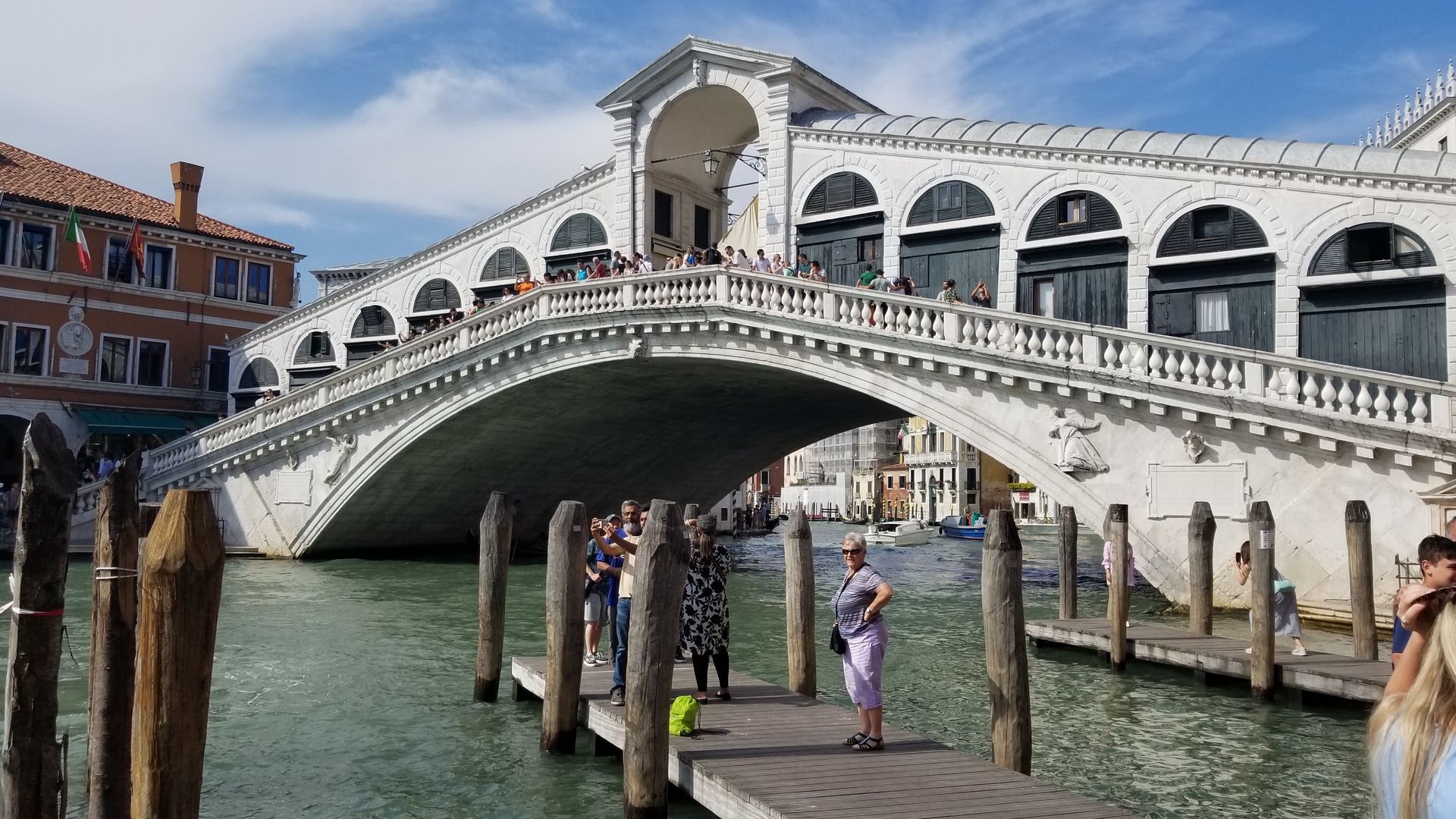
One of the most practical advantages of a European river cruise is where the ship actually stops. Unlike ocean liners, which dock at industrial ports often 30 to 60 minutes from the nearest city center, river vessels tie up along the banks of the cities themselves. Your gangway opens onto the same cobblestone streets that locals walk every morning.
This distinction matters enormously. In Budapest, you step off the ship and find yourself between Buda Castle and the Parliament building. In Cologne, the cathedral is a five-minute walk from the dock. In Amsterdam, you are already in the canal district. There is no shuttle bus, no taxi queue, no hour-long transfer eating into your day.
Instant Access to Historic Town Centers
The time savings compound over the course of a week. On a typical seven-night itinerary along the Rhine or Danube, you might visit six or seven cities. If each port call required a 45-minute transfer each way, you would lose roughly nine hours of sightseeing to bus rides alone. River docking eliminates that friction entirely.
This proximity also gives you flexibility. You can return to the ship for lunch and head back out in the afternoon. You can take a morning walk before the organized excursions begin. You are not locked into a rigid schedule dictated by shuttle departure times.
Eliminating Long Commutes from Coastal Ports
Ocean cruise passengers know this frustration well. Barcelona's cruise terminal is a long walk or taxi ride from La Rambla. Civitavecchia, Rome's cruise port, sits more than an hour from the Colosseum. These commutes are not just inconvenient; they are exhausting, particularly for travelers who prefer a more relaxed pace.
River cruising removes this problem entirely. The ship is your home base, and it is always right there in the center of the action. For travelers who value comfort and realistic pacing, the comparison between ocean and river cruising makes the river option especially compelling.
Seamless Travel Without Constant Packing and Unpacking
A multi-city European trip typically involves trains, rental cars, hotel check-ins, luggage transfers, and the constant mental overhead of figuring out where you need to be next. A river cruise collapses all of that complexity into a single decision. You unpack once. Your hotel moves while you sleep.
Your Floating Boutique Hotel Experience
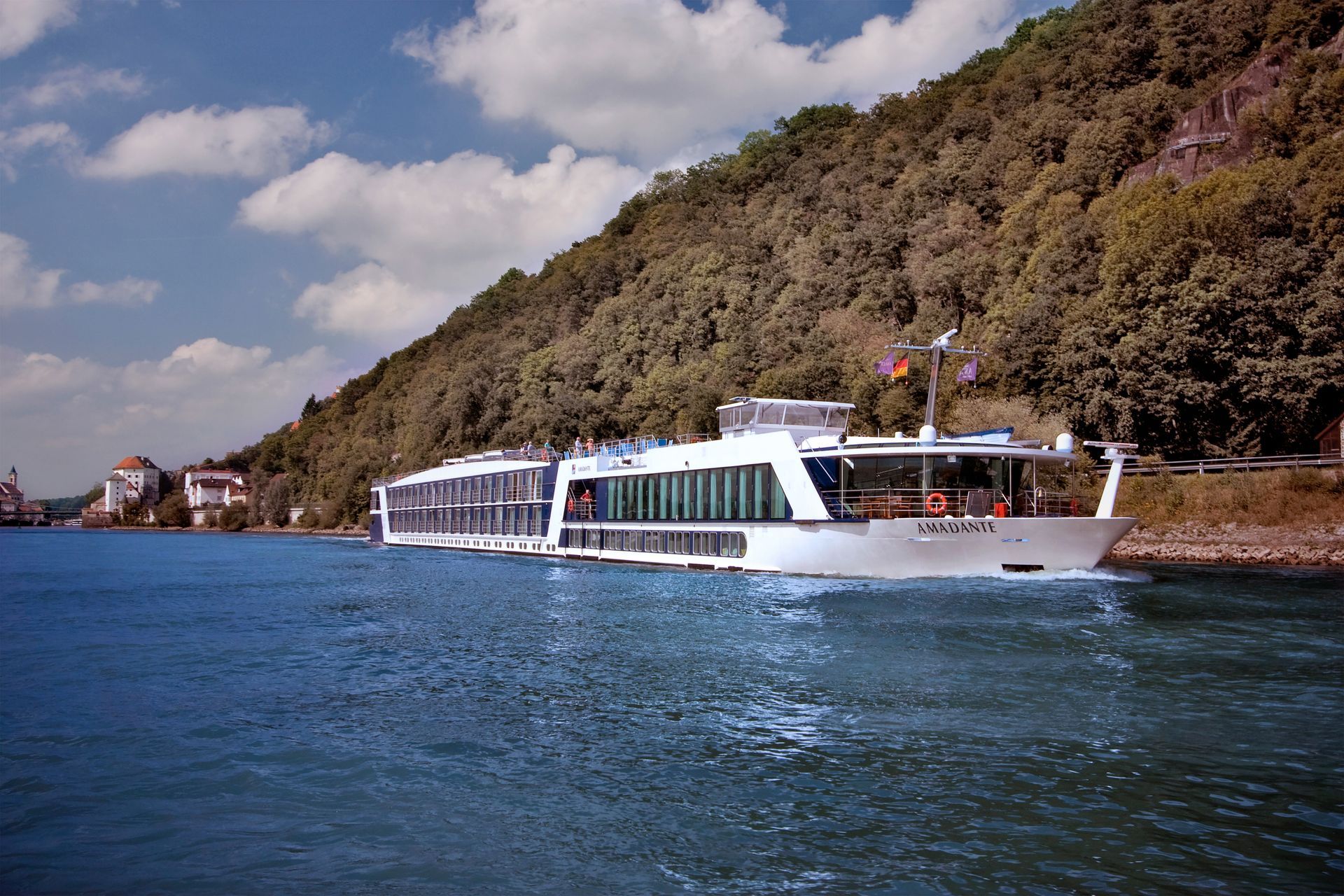
Modern river ships carry between 100 and 190 passengers, and the staterooms reflect a boutique hotel sensibility rather than the compact cabins of larger ocean vessels. Most rooms feature full-length balconies, queen beds, and enough space to spread out comfortably for a week or more.
The consistency is worth noting as well. You know your room, you know the dining room, you know the staff. There is no adjusting to a new hotel every night, no figuring out which light switch controls which lamp, no wondering if the Wi-Fi password will work. For couples and families traveling together, this stability makes a real difference in how rested and present you feel each day.
Stress-Free Navigation Through Multiple Countries
A Danube cruise can carry you through four countries in a single week: Germany, Austria, Slovakia, and Hungary. A Rhine voyage moves through the Netherlands, Germany, France, and Switzerland. You cross borders without even noticing, and your ship handles all the logistics of docking permissions, local regulations, and scheduling.
This is one reason we at NuVia Travel frequently recommend river cruises to first-time Europe travelers. The format handles the complex multi-country logistics, freeing you to focus on what you are actually seeing rather than worrying about train connections or driving on unfamiliar roads.
Intimate and Personalized Onboard Atmosphere
The scale of a river ship creates an experience that large ocean vessels simply cannot replicate. You are not one of 5,000 passengers competing for a deck chair. You are part of a small group, and the crew knows your name by the second day.
Smaller Passenger Counts and Attentive Service
Most European river ships carry between 100 and 190 guests, with crew-to-passenger ratios that rival boutique hotels. This means your server remembers that you prefer sparkling water, your room steward knows you like extra pillows, and the concierge can actually spend time helping you plan an afternoon on your own.
The social dynamic is different, too. You will likely share a table with the same couples over the course of the week, and genuine friendships form. For travelers celebrating a retirement or anniversary, this sense of community adds a warmth that larger ships struggle to provide.
Curated Local Cuisine and Regional Wine Pairings
The dining onboard a river cruise changes with the geography. As the ship moves from Alsace into the German Rhineland, the menu shifts accordingly: from tarte flambée and Riesling to sauerbraten and Spätburgunder. Chefs source ingredients from local markets at each port, and wine selections are carefully matched to the regions you are passing through.
Most river cruise lines include wine, beer, and soft drinks with meals, so there is no awkward moment of calculating your bar tab. The all-inclusive nature of the dining experience means you can simply enjoy the food and conversation without thinking about cost.
Immersive Cultural Experiences and Shore Excursions
A river cruise is not a passive experience. The best itineraries are designed to pull you into the culture of each destination, and the excursion programs reflect a level of thoughtfulness that independent travel rarely achieves without extensive planning.
Expert-Led Tours of Iconic Landmarks
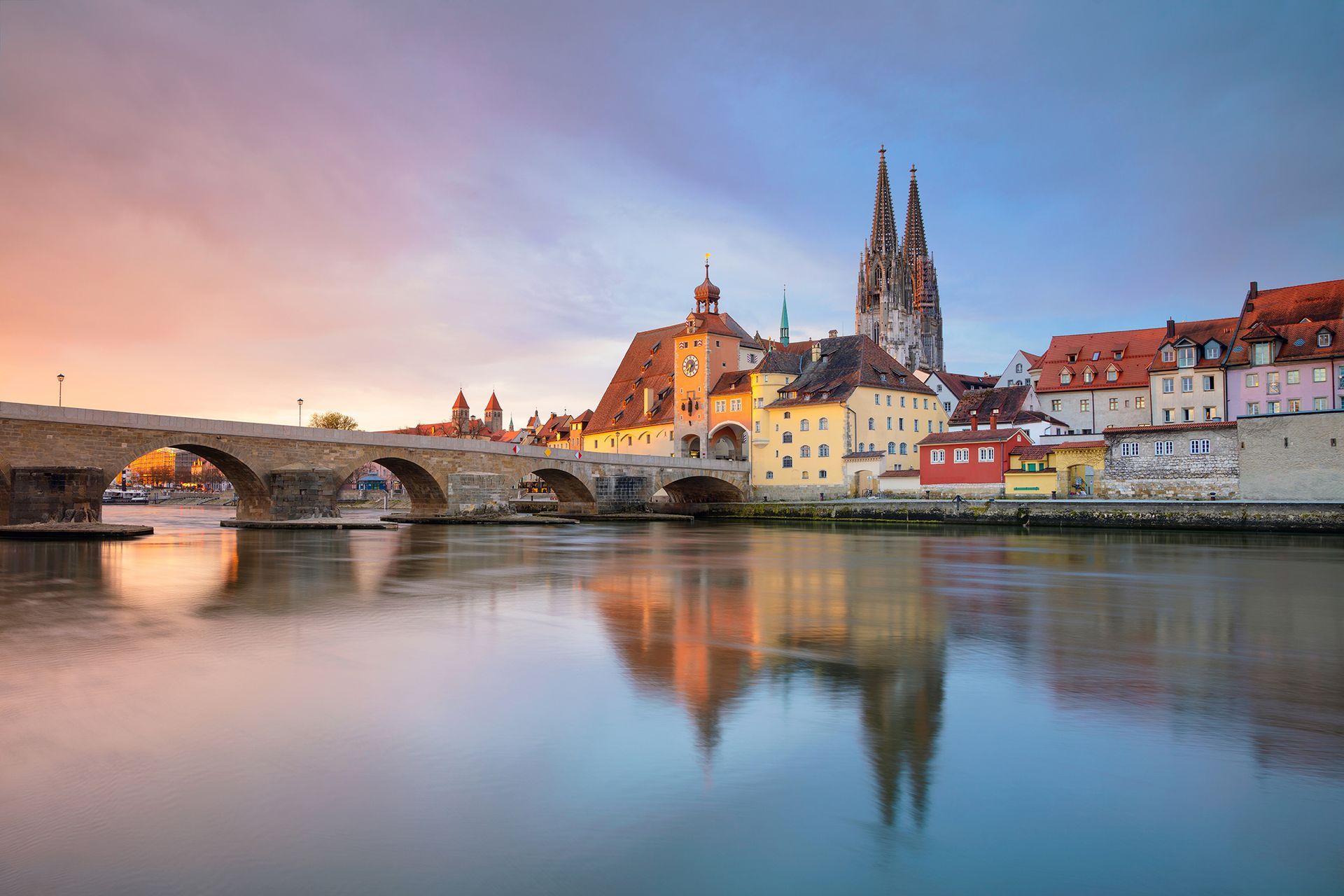
At each port, local guides lead walking tours, museum visits, and cultural experiences that go well beyond a quick photo stop. In Vienna, you might attend a private concert in a palace. In Strasbourg, a historian walks you through the European Parliament quarter and the medieval Petite France district. In Regensburg, you explore one of Germany's best-preserved medieval cities with a guide who actually lives there.
These excursions are typically included in the fare, and the group sizes are small enough that you can ask questions and move at a human pace. The growing demand for immersive shore excursions has pushed cruise lines to develop increasingly creative programming, from cooking classes in Lyon to wine tastings in the Wachau Valley.
Exclusive Access to Off-the-Beaten-Path Villages
Some of the most memorable stops on a river cruise are places you would never find on your own. Dürnstein, a tiny Austrian village where Richard the Lionheart was imprisoned. Rüdesheim, a wine town on the Rhine so small it does not even have a train station. Breisach, a quiet Alsatian gateway to Germany's Black Forest.
These are the kinds of places that reward slow travel. You cannot appreciate them from a tour bus window or during a 30-minute stop. But a river ship docks right at the waterfront, and you have hours to wander, taste, and sit in a café watching the river traffic pass.
Scenic Landscapes from the Comfort of Your Balcony
One of the distinct pleasures of cruising along Europe's rivers is the scenery itself. Unlike open ocean, where the view is water in every direction, a river cruise keeps the landscape close. You are never more than a few hundred meters from either bank, and the views change constantly.
Passing Fairy-Tale Castles and Rolling Vineyards
The Middle Rhine, designated a UNESCO World Heritage Site, is perhaps the most dramatic stretch. Over a 40-mile corridor between Koblenz and Bingen, more than 40 castles line the hillsides, many of them dating to the 12th and 13th centuries. The Lorelei Rock rises sharply from the water, and terraced vineyards climb the slopes at improbable angles.
The Danube offers a different but equally striking character. The Wachau Valley in Austria unfolds in a series of apricot orchards, baroque monasteries, and hilltop ruins. The Iron Gates gorge between Serbia and Romania narrows to a dramatic canyon that feels worlds away from the elegant cities upstream.
You can watch all of this from your balcony with a glass of wine, from the sun deck with a book, or from the ship's lounge while a local expert provides commentary. The experience is genuinely relaxing in a way that few other forms of travel achieve. There is no driving, no map-reading, no searching for parking. The scenery comes to you.
Exceptional Value and All-Inclusive Peace of Mind
River cruises are not inexpensive, and we believe in being honest about that. A week on the Danube or Rhine typically runs between $2,500 and $5,500 per person, depending on the line, the season, and the stateroom category. But the value equation becomes clear when you consider what is included.
Your fare covers accommodation, all meals, wine and beer with lunch and dinner, daily excursions, onboard entertainment, and port fees. On many lines, Wi-Fi, gratuities, and airport transfers are included as well. Compare that to a week of independent travel through four European countries, where hotel rooms alone might cost $200 to $400 per night, and the river cruise starts to look like a genuinely smart financial decision.
The all-inclusive model also eliminates the nickel-and-diming that plagues some ocean cruise experiences. There are no specialty restaurant surcharges, no drink packages to debate, no surprise charges on your final bill. You know what the trip costs before you board, and that financial clarity is worth a great deal to travelers who want to relax rather than calculate.
The river cruise industry continues to evolve, with new ships launching on the Douro, the Mekong, and the Nile. But Europe remains the heartland of the format, and for good reason. The continent's rivers connect its greatest cities, its most beautiful countryside, and its richest cultural traditions in a single, continuous journey.
For travelers who want a thoughtful, well-paced way to experience Europe, a river cruise is hard to beat. It removes the logistical headaches, delivers genuine comfort, and keeps the focus where it belongs: on the places, the food, the history, and the people you are traveling with.
If you are considering a European river cruise, contact NuVia Travel's founder, Stefan Terwindt. He’s Dutch-born with Austrian roots and lives in Atlanta. He brings firsthand knowledge of the rivers, the ships, and the destinations. We handle the complex logistics, from pre-cruise hotel stays to post-cruise extensions, so your trip feels personal and well planned from start to finish. Start your custom journey and let us build something worth remembering.