How to Plan a 10-Day Europe Trip Without Overpacking the Itinerary

Stefan Terwindt • August 18, 2026

Learn how to plan a 10-day Europe trip without overpacking the itinerary using the 3-city rule and 50/30/20 framework to maximize your sightseeing time.


Ten days in Europe sounds generous until you start pinning cities on a map. Rome, Paris, Barcelona, Amsterdam, Prague: the wish list grows fast, and suddenly your itinerary looks less like a trip and more like a relay race across the continent. The real skill in planning a 10-day Europe trip is knowing what to leave out, not what to squeeze in.


A well-paced journey through two or three cities will leave you with richer memories, deeper connections to each place, and far less stress than a seven-city sprint ever could. At NuVia Travel, we see this pattern constantly: clients arrive at our first planning call with a list of eight destinations and leave with three, feeling relieved rather than disappointed. That relief is the first sign of a trip worth taking. The pages that follow offer a practical framework for building an itinerary that respects both your time and your energy, so you return home restored rather than exhausted.


The Golden Rule of 10-Day European Travel in 2027: The 3-City Maximum


A 10-day European trip is most effective when limited to a maximum of three major cities, allowing for a comfortable pace of three nights per location. That figure is not arbitrary. It accounts for travel days, jet lag recovery, and the simple reality that you cannot absorb a city in 24 hours.


The math works like this: three cities at three nights each gives you nine nights. Add a buffer night at either end for arrival or departure logistics, and you have a framework that fits neatly into ten days. Try to add a fourth city and something breaks: either you cut a destination down to a single overnight, or you spend more hours on trains and planes than in museums and piazzas.


Calculating the 'Transit Tax' on Your Vacation Time


Every city change carries a hidden cost we call the "transit tax." It is not just the hours on a train or flight. It includes packing up your hotel room, checking out, getting to the station or airport, waiting, traveling, arriving, finding your new accommodation, checking in, and orienting yourself in an unfamiliar neighborhood. Even a two-hour train ride between cities typically consumes four to five hours of your day once you account for these steps.


For a 10-day trip with three cities, you pay this tax twice. Add a fourth city and you pay it three times, burning an additional half-day that could have been spent walking through the Belvedere gardens in Vienna or sitting in a Florentine trattoria watching the evening light change. That lost half-day compounds: you arrive at each destination slightly more tired, slightly more rushed, and slightly less present.


Why Quality Beats Quantity: A Data-Driven Look at Sightseeing Fatigue


Research on travel satisfaction consistently shows that travelers who slow down and focus on fewer destinations report higher overall trip satisfaction than those who attempt to cover more ground. Sightseeing fatigue is real and measurable. After roughly six hours of active touring, most people's ability to absorb new information drops sharply. By day four of a packed itinerary, even the most enthusiastic traveler starts walking past remarkable things without truly seeing them.


Three nights in a city gives you two full days plus portions of your arrival and departure days. That is enough time to visit the major landmarks, discover a neighborhood on foot, eat at a restaurant a local recommended, and still have a morning with no agenda at all. These unplanned moments are often what people remember most vividly years later.


Selecting a Geographic Hub to Minimize Travel Friction


The cities you choose matter less than how they relate to each other on a map. A tight geographic cluster keeps transit times short and lets you spend your energy exploring rather than commuting. The best 10-day itineraries connect cities within a two-to-four-hour travel radius, creating a natural loop or corridor.


Stefan Terwindt, NuVia Travel's founder, frequently advises clients to think in triangles rather than lines. A triangle of three cities within a compact region means no single transit day exceeds a few hours, and you can even take day trips to smaller towns without adding another hotel change. Two of the strongest triangles in Europe illustrate this principle well.


The 'Imperial Triangle': Balancing Prague, Vienna, and Budapest


Prague, Vienna, and Budapest form one of Europe's most satisfying three-city combinations. The train from Prague to Vienna takes about four hours. Vienna to Budapest is under three hours on the Railjet. Budapest back to Prague (if you are flying open-jaw) does not even require backtracking.


Each city offers a distinct character. Prague rewards slow walking through its medieval core and across the Charles Bridge at dawn before the crowds arrive. Vienna is a city of coffee houses, concert halls, and the Naschmarkt's food stalls. Budapest splits across the Danube: Buda's hilltop castle district on one side, Pest's ruin bars and thermal baths on the other. Three nights in each city gives you time to experience these contrasts without rushing.


The cost structure is favorable too. Prague and Budapest remain significantly less expensive than Western European capitals for dining and accommodation, which means your daily budget stretches further without sacrificing comfort.


Mediterranean Ease: Connecting Rome, Florence, and Venice via Trenitalia


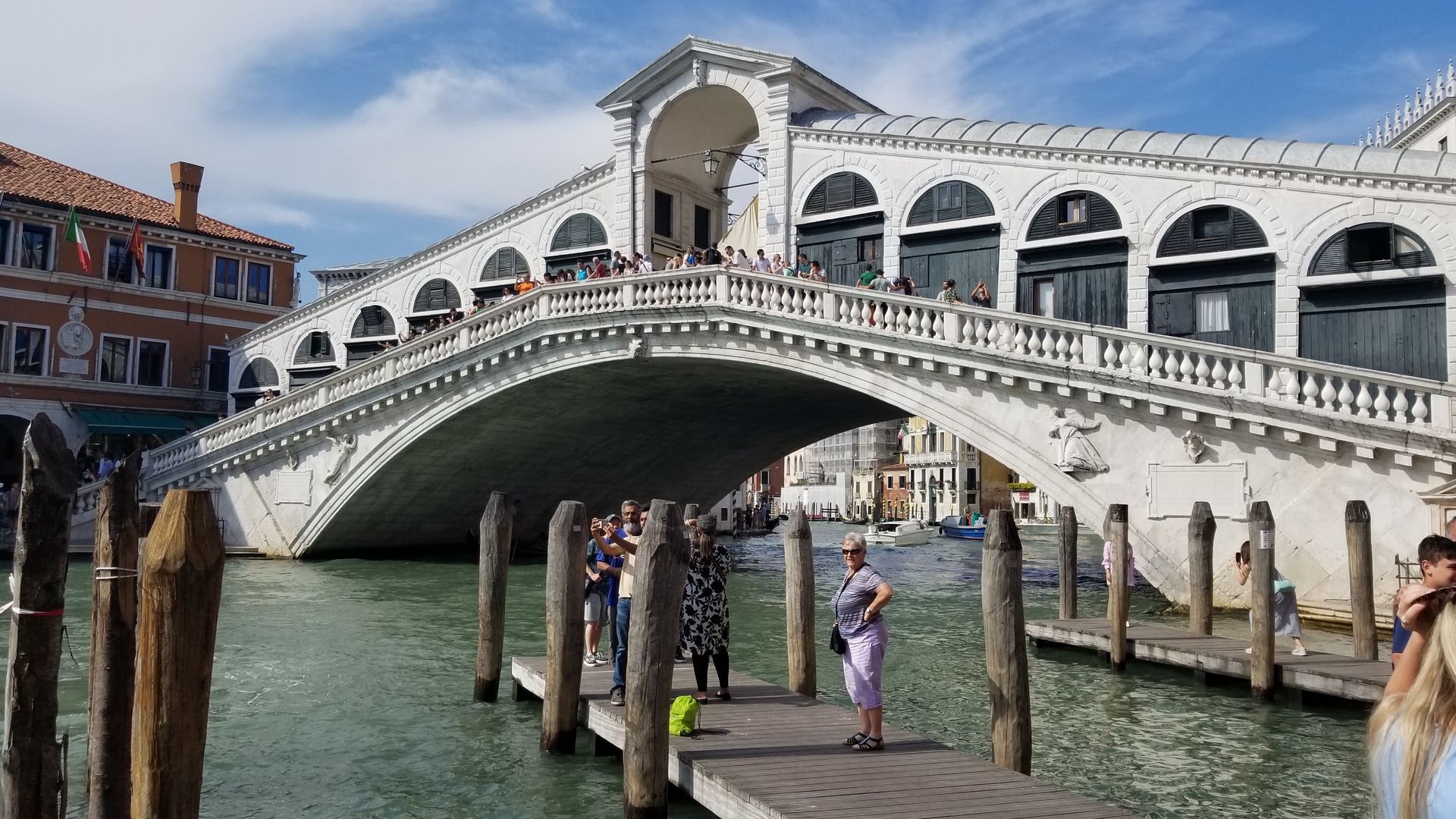
Italy's high-speed rail network makes the Rome-Florence-Venice corridor one of the simplest multi-city routes to plan. The Frecciarossa from Rome to Florence takes 90 minutes. Florence to Venice is about two hours. These are city-center-to-city-center times with no airport security, no baggage fees, and no taxi ride from a suburban terminal.


Three nights in Rome covers the Vatican, the Colosseum, Trastevere's evening atmosphere, and a morning at the Borghese Gallery. Florence deserves three nights for the Uffizi, a walk up to Piazzale Michelangelo at sunset, and a day trip to the Chianti hills or San Gimignano. Venice, even with two nights and a full day, reveals itself beautifully if you wander beyond San Marco into Dorsoduro or Cannaregio. Understanding where your money actually goes in Europe helps you budget realistically for each stop along this route.


The 50/30/20 Framework for Daily Itinerary Planning


A common mistake is scheduling every hour of every day. The 50/30/20 framework prevents this by dividing your waking hours into three categories:


  • 50% for planned activities: major sights, guided tours, reserved experiences, and meals at specific restaurants
  • 30% for spontaneous discovery: wandering a neighborhood, ducking into a church that catches your eye, or following a local's recommendation to a wine bar you had not heard of
  • 20% for rest and logistics: returning to your hotel for a midday break, handling laundry, or simply sitting in a park with a coffee


On a typical day where you are active from 9 a.m. to 9 p.m., that translates to roughly six hours of planned touring, three to four hours of unstructured exploration, and two hours of downtime. This ratio keeps you energized without leaving you feeling aimless.


Allocating Time for Must-See Landmarks and Spontaneous Discovery


Your planned 50% should prioritize the two or three experiences that matter most to you in each city. If you are in Paris, perhaps that is the Musée d'Orsay and a morning at Sainte-Chapelle. If you are in Barcelona, it might be the Sagrada Família and a walk through the Gothic Quarter. Identify these anchors before you leave home and book timed entries where required.


The 30% spontaneous block is where the real texture of a trip emerges. This is how you end up discovering a tiny gelateria in a Florence side street, or stumbling into a free organ concert in a Viennese church. You cannot plan these moments, but you can create the conditions for them by not filling every slot on your calendar. Travel trend data from 2025 confirms that slow, intentional travel continues to grow in popularity precisely because it produces these kinds of authentic experiences.


Leveraging Open-Jaw Flights and Multi-City Booking Tools


One of the most practical decisions you can make is booking an open-jaw flight: flying into one city and out of another. This eliminates the need to backtrack to your starting point, saving you an entire transit day and often reducing your overall airfare.


For the Italian corridor described earlier, you would fly into Rome and out of Venice, or vice versa. For the Central European triangle, fly into Prague and out of Budapest. The routing feels more natural, and you avoid the frustrating experience of retracing ground you have already covered just to catch a return flight.


Comparing Google Flights vs. Skyscanner for Time-Efficient Routing


Google Flights excels at multi-city searches. Its calendar view shows cost variations across dates, and you can compare open-jaw options against round-trip fares side by side. The interface is clean and fast, and its integration with Google Maps helps you visualize connections.

Skyscanner's strength is its "Everywhere" search function, which is useful in the early planning stage when you are flexible on destinations.


It also tends to surface smaller carriers and budget airlines that Google occasionally misses. For a focused 10-day itinerary where you already know your cities, Google Flights is typically more efficient. For exploratory research, Skyscanner offers broader results. Use both: start with Skyscanner to confirm your destination choices, then switch to Google Flights to finalize dates and routing.


A practical tip: book your open-jaw flights six to eight weeks before departure for European routes. Booking too early rarely yields better fares on intra-European flights, and last-minute bookings almost always carry a premium.


Strategic Transportation: When to Use Eurail vs. Budget Carriers


The choice between rail and air within Europe depends on three factors: distance, city-center access, and your tolerance for airport logistics. For journeys under four hours, rail almost always wins. For distances over five hours, a budget flight may save time despite the airport overhead.


Rail travel in Europe has improved significantly. High-speed networks now connect most major cities in Western and Central Europe, and booking through national carriers like Trenitalia, SNCF, or ÖBB is straightforward. The Eurail Pass makes sense for some travelers but not all. If you are visiting three cities with only two intercity journeys, point-to-point tickets purchased in advance are often cheaper than a pass.


Evaluating High-Speed Rail Against Short-Haul Flights


A Ryanair flight from Rome to Barcelona might show a fare of 30 euros, but the true cost is higher. Add baggage fees, airport transfers on both ends, the requirement to arrive 90 minutes early, and potential delays, and that 30-euro flight consumes five to six hours and costs closer to 80 to 100 euros.


Compare that to a high-speed train from Rome to Florence: 90 minutes, city center to city center, with no baggage restrictions and the freedom to walk on five minutes before departure. The calculus is clear for short distances.


Here is a simple decision framework:

  • Under 3 hours by train: Always take the train. No contest.
  • 3 to 5 hours by train: Train is still preferred unless the flight saves more than two hours total.
  • Over 5 hours by train: Compare the full-cost flight (including transfers and fees) against the train. The flight often wins on time.
  • Overnight routes: A sleeper train like the Nightjet between Vienna and Rome can replace both a transit day and a hotel night, which is a genuinely efficient use of time.


One of the most common planning conversations we have with clients at NuVia Travel starts with a long list of cities and ends with a carefully selected set of three, connected by the right mix of rail and air to minimize wasted hours.


Pre-Booking Essentials to Avoid the 'Queue Trap'


Nothing deflates a well-paced itinerary faster than standing in a 90-minute line. In 2026, most major European attractions operate on timed-entry systems, and showing up without a reservation often means either waiting for hours or being turned away entirely.


The Vatican Museums, the Uffizi, the Anne Frank House, Park Güell, and the Alhambra all require advance booking during peak season. Some sell out weeks ahead. Even attractions that do not strictly require reservations, like the Louvre, move dramatically faster with a pre-booked time slot.


Build your booking calendar as soon as your flights are confirmed. Start with the experiences that sell out fastest, typically major museums and any attraction with limited daily capacity. Then layer in restaurant reservations for the one or two special meals you want in each city. Leave the rest open for your 30% spontaneous exploration time.


Using GetYourGuide and Viator for Skip-the-Line Access


GetYourGuide and Viator are the two dominant platforms for booking tours and skip-the-line tickets in Europe. Both aggregate offerings from local operators, and both offer free cancellation on most bookings up to 24 hours before the experience.


GetYourGuide tends to have a slightly more curated selection with consistent quality ratings. Viator, owned by Tripadvisor, offers a broader range including more budget options. For high-demand experiences like a guided tour of the Vatican with early-morning access or a skip-the-line Uffizi visit, both platforms charge similar rates.


A few booking principles that save time and frustration:

  • Book timed entries for your top two or three experiences in each city at least three weeks in advance
  • Schedule major museum visits for early morning, when crowds are thinnest and your energy is highest
  • Avoid booking more than one major attraction per day: this is where the 50/30/20 framework protects you
  • Download confirmation codes to your phone offline, since mobile data can be unreliable inside thick-walled European buildings


Rick Steves' itinerary planning guidance reinforces this point: the travelers who enjoy Europe most are those who plan just enough structure to avoid logistical headaches while leaving room for the trip to surprise them.


Making Your 10 Days Count


The best European itineraries share a common trait: restraint. Three cities, three nights each, connected by efficient transport, with daily schedules that balance intention and flexibility. That is the formula. It is not complicated, but it requires discipline to resist the pull of "just one more city."


Your 10 days are finite. Every hour spent in transit or standing in a queue is an hour not spent watching the sun set over the Danube, tasting a Brunello in Montalcino, or getting genuinely lost in a neighborhood that was not in any guidebook. The planning decisions you make before departure determine which kind of hours you will have more of.


If the logistics of multi-city routing, rail bookings, and timed-entry reservations feel overwhelming, that is exactly the kind of complexity a good travel advisor absorbs on your behalf. Start your custom journey with NuVia Travel, and we will build an itinerary paced for the trip you actually want to take, not the one that just looks impressive on a map.

Let's plan my Europe trip
By Stefan Terwindt August 21, 2026
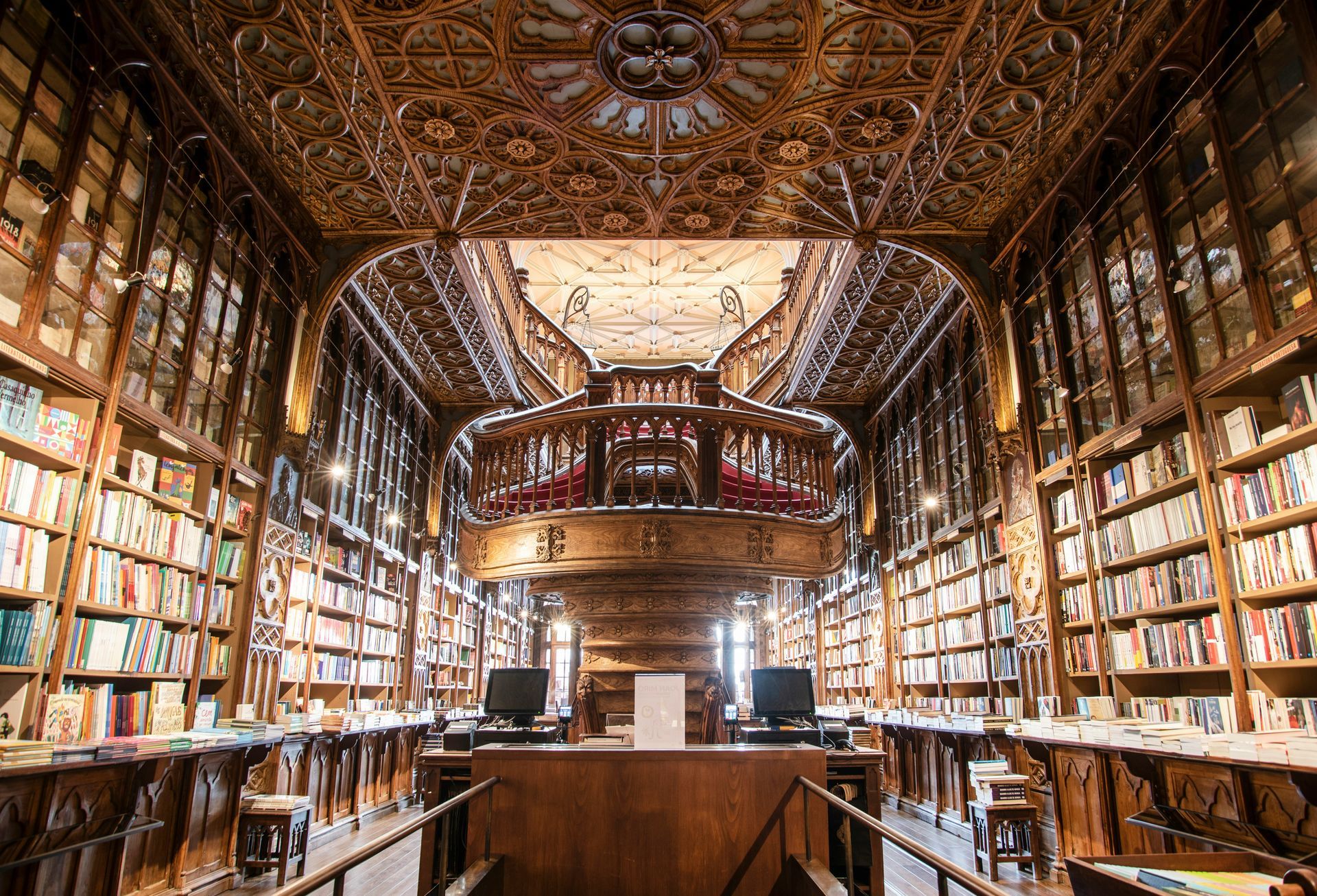
Choosing between Portugal or Spain for a first trip to Southern Europe is one of the most common questions we hear from travelers planning their initial journey across the Atlantic. Both countries share the Iberian Peninsula, yet they offer distinctly different experiences in terms of scale, cost, culture, and cuisine. The right choice depends on your travel style, your timeline, and what you hope to feel when you return home. Whether you have ten days or three weeks, understanding the practical differences between these two destinations will help you plan a trip that fits your pace and priorities rather than leaving you overwhelmed by too many options. Evaluating Portugal vs. Spain: A 2027 Travel Framework Comparing Portugal and Spain requires more than reading a few blog posts about Lisbon nightlife or Barcelona architecture. These are two sovereign nations with distinct languages, currencies of pride (though both use the euro), and radically different approaches to daily life. A useful framework starts with three practical questions : How much ground do you want to cover? How complex are the logistics? And how comfortable are you with a country where English is not always the default? Spain is the larger, more internationally recognized destination. The country received 42.5 million international travelers in the first half of 2025 alone, representing a 13.3% increase over the prior year. That popularity means excellent infrastructure but also significant crowds at peak sites . Portugal, by contrast, draws roughly a quarter of Spain's visitor numbers, which translates to shorter lines, more authentic local interactions, and a pace that suits travelers who prefer depth over breadth. Size and Scale: 35,000 Square Miles vs. 195,000 Square Miles Portugal is roughly the size of the U.S. state of Indiana. Spain is more than five times larger, comparable to Texas. This distinction matters enormously for first-time visitors to Southern Europe. In Portugal, you can visit Lisbon, take a day trip to the fairy-tale palaces of Sintra, spend two nights in the Douro Valley wine region, and finish in Porto, all within a single week without feeling rushed. The distances between major points of interest rarely exceed three hours by car or train. For couples or retirees who prefer a relaxed pace, this compact geography is a genuine advantage. Spain demands more planning and more transit time. A trip from Madrid to Seville covers roughly 530 kilometers. Adding Barcelona means either a domestic flight or a lengthy train ride across the country. You can absolutely build a wonderful Spanish itinerary, but it requires more careful scheduling, and first-time international travelers sometimes underestimate how tiring constant movement becomes after the first week. Ease of Logistics: Comboios de Portugal vs. Renfe AVE High-Speed Rail Spain's Renfe AVE high-speed rail network is one of Europe's finest. The Madrid-to-Seville route takes just 2.5 hours at speeds exceeding 300 km/h. Connections between Madrid, Córdoba, Málaga, and Barcelona are frequent and reliable. If you are comfortable booking train tickets online (Renfe's website has improved significantly in recent years), Spain's rail system makes multi-city itineraries practical. Portugal's Comboios de Portugal (CP) network is smaller and slower but perfectly adequate for the country's compact size. The Lisbon-to-Porto Alfa Pendular service covers the distance in about 2 hours and 40 minutes. Regional trains connect smaller cities like Coimbra and Aveiro. The system is less complex to figure out, which matters if you are managing logistics for the first time in a foreign country. For travelers who prefer not to handle train bookings and airport transfers independently, working with a travel advisory like NuVia Travel can remove that friction entirely. Stefan Terwindt has planned itineraries across both countries extensively, often recommends Portugal for clients who want a less stressful introduction to European rail travel. Budget and Cost Comparison: Daily Spend Expectations Money is not everything, but it shapes what kind of trip you can realistically build. Both Portugal and Spain offer strong value compared to destinations like France, Switzerland, or Scandinavia, yet there are meaningful differences between the two. Average Daily Costs: Why Portugal Remains 15-20% More Affordable A comfortable daily budget in Portugal for two travelers, covering a quality hotel, meals at local restaurants, transportation, and one activity or entrance fee, runs approximately €300 to €500 per day in 2026. The same standard of experience in Spain typically costs €400 to €700 per day. That 15-20% gap adds up quickly over a ten-day trip. Dining is where Portugal's affordability becomes most noticeable. A full dinner for two with wine at a respected Lisbon restaurant might cost €50 to €70. A comparable meal in Madrid or Barcelona often runs €70 to €100. Coffee, pastries, and casual lunches follow a similar pattern. A pastel de nata with an espresso at a Lisbon cafe costs under €3. The Spanish equivalent, a café con leche with a pastry, runs closer to €4 to €5 in major cities. Wine is another area where Portugal punches above its weight. A bottle of excellent Douro red at a restaurant might cost €15 to €25. Spanish Rioja of similar quality often starts at €20 to €35 in restaurant settings. Accommodation Value: Pousadas de Portugal vs. Paradores of Spain Both countries operate government-affiliated networks of historic properties converted into hotels. Spain's Paradores and Portugal's Pousadas occupy castles, monasteries, and palaces, offering character and history that chain hotels simply cannot match. Spain operates roughly 97 Paradores across the country. Nightly rates typically range from €200 to €500 depending on location and season. The Parador de Granada, set within the Alhambra complex itself, is one of the most sought-after hotel rooms in all of Europe. Portugal's Pousada network is smaller, with around 35 properties. Rates tend to run €150 to €300 per night, making them slightly more accessible. The Pousada de Óbidos, housed inside a medieval castle in a walled town north of Lisbon, is a particular favorite among NuVia Travel clients celebrating anniversaries or milestone birthdays. Both networks reward advance booking. If a Pousada or Parador stay appeals to you, reserving three to six months ahead is wise, especially for the most popular properties during spring and fall shoulder seasons. Cultural Identity and Heritage Sites Portugal's Maritime Legacy and Manueline Architecture Portugal's cultural identity is inseparable from the sea. The Age of Discovery, when Portuguese explorers charted routes to India, Brazil, and the Spice Islands, left a permanent mark on the country's architecture, cuisine, and national character. You will feel this most powerfully in Belém, a Lisbon neighborhood where the Jerónimos Monastery and the Tower of Belém stand as monuments to that era. Manueline architecture, a uniquely Portuguese style from the late 15th and early 16th centuries, blends Gothic structure with maritime motifs: ropes, coral, anchors, and armillary spheres carved into stone. The Monastery of Batalha, about 120 kilometers north of Lisbon, is one of the finest examples. Its Unfinished Chapels are open to the sky, creating an effect that photographs cannot fully capture. Fado music is another pillar of Portuguese identity. Originating in Lisbon's Alfama district, fado is a genre built on saudade, a word with no direct English translation that conveys longing, melancholy, and bittersweet memory. Hearing fado performed live in a small Alfama restaurant is one of the most emotionally resonant experiences available to travelers in Southern Europe. Spain's Moorish History and UNESCO Icons like the Alhambra Spain's cultural layers run extraordinarily deep. Nearly 800 years of Moorish rule (711 to 1492) left architectural and culinary influences that distinguish Spain from every other Western European country. The Alhambra in Granada, with its intricate geometric tilework and serene courtyards, remains one of the most visited monuments on the continent. Tickets regularly sell out weeks in advance, so planning ahead is essential. Spain holds 49 UNESCO World Heritage Sites, the third-highest count of any nation on earth. From the Sagrada Família in Barcelona to the historic center of Córdoba, these sites span Roman, Moorish, Gothic, and modernist traditions. A single trip cannot cover them all, which is precisely why many travelers return to Spain multiple times. The regional diversity of Spanish culture is also striking. Catalonia, the Basque Country, Andalusia, and Galicia each maintain distinct languages, cuisines, and traditions. This variety is a strength, but it also means that a trip focused solely on Madrid and Barcelona will miss much of what makes Spain genuinely interesting. Culinary Landscapes and Nightlife Vibes Food is often the deciding factor for travelers choosing between these two countries, and both deliver experiences that will reshape how you think about European cuisine. The Tapas Culture vs. Hearty Atlantic Seafood Traditions Spain's tapas tradition is famous for good reason. The ritual of moving between bars, ordering small plates of jamón ibérico, patatas bravas, gambas al ajillo, and croquetas, is one of the great pleasures of European travel. In cities like San Sebastián, the Basque version called pintxos reaches an art form, with bars displaying dozens of small bites on toothpicks along the counter. San Sebastián holds more Michelin stars per capita than almost any city in the world. Portugal's culinary identity is more focused and Atlantic-driven. Bacalhau (salt cod) is the national obsession, prepared in reportedly over 365 different ways. Grilled sardines are a summer staple, especially during Lisbon's June festival of Santo António. The seafood rice dishes, particularly arroz de marisco, are rich, saffron-tinged, and deeply satisfying. Spanish nightlife starts late. Dinner at 10 PM is standard, and bars stay open well past midnight even on weekdays. If you are accustomed to eating at 6:30 PM and winding down by 9, this rhythm requires adjustment. Portugal's dining schedule is earlier by comparison, with most restaurants filling between 7:30 and 9 PM, a pace that many first-time visitors to Southern Europe find more comfortable. Best Regional Routes for First-Time Visitors A great itinerary is not about seeing the most. It is about seeing the right things at the right pace. Both countries offer logical routes that minimize backtracking and maximize variety. The Lisbon-Sintra-Porto Triangle via TAP Air Portugal TAP Air Portugal operates direct flights from several major U.S. cities, including Newark, Boston, Miami, and Washington Dulles, with Lisbon as its hub. This makes Portugal exceptionally convenient for American travelers. You land in Lisbon, and your trip begins immediately. A strong seven-to-ten-day Portugal itinerary might look like this: Three nights in Lisbon: Alfama, Belém, and the Time Out Market One day trip to Sintra for the Pena Palace and Quinta da Regaleira Two nights in the Douro Valley for wine tastings and river views Two to three nights in Porto for port wine cellars, the Livraria Lello bookshop, and the Ribeira waterfront Optional extension to the Algarve coast for two nights of beach time This route works beautifully by train and rental car. The distances are short, the logistics are straightforward, and the variety between urban, rural, and coastal settings keeps the trip feeling fresh. The Madrid-Seville-Barcelona Route via Iberia Airlines Iberia Airlines and its low-cost subsidiary Iberia Express connect Spain's major cities efficiently. A classic first-time Spain route covers three distinct regions: Three nights in Madrid: the Prado Museum, Retiro Park, and the neighborhoods of Malasaña and La Latina Two to three nights in Seville: the Alcázar, the Cathedral, and flamenco performances in Triana Optional one night in Córdoba en route (the Mezquita alone justifies the stop) Three nights in Barcelona: the Sagrada Família, Park Güell, and the Gothic Quarter This itinerary covers roughly 12 to 14 days if you include Córdoba and allow for a relaxed pace. The Madrid-to-Seville AVE train is fast and comfortable. The Seville-to-Barcelona leg is best handled by a short domestic flight, as the train connection is indirect. The trade-off is clear: Spain's route covers more ground and more cultural variety, but it also demands more energy and more transit days. Portugal's triangle is tighter, simpler, and better suited to travelers who want to unpack once or twice and settle into a rhythm. The Final Verdict: Which Country Fits Your Travel Style? Portugal is the better choice if you want a compact, manageable first experience in Southern Europe. The country rewards slow travel, offers excellent value, and presents fewer logistical challenges. Its food is hearty and honest, its people are warm, and its scale means you will not spend half your trip on trains and planes. For couples celebrating a milestone or retirees making their first transatlantic journey, Portugal delivers a deeply satisfying trip without the overwhelm. Spain is the right pick if you have at least 12 days, you enjoy variety and stimulation, and you are comfortable with a faster pace. The cultural depth is staggering, the food scene is world-class, and the regional differences between Andalusia, Catalonia, and Castile make it feel like visiting three countries in one. Spain rewards repeat visits, so even if you do not see everything the first time, you will have a strong foundation to build on. Neither choice is wrong. Both countries will change how you think about food, history, and daily life. The question is simply which experience matches where you are right now as a traveler. If you are ready to start shaping your first Southern European itinerary with an advisor who knows both countries intimately, Start Your Custom Journey with NuVia Travel. We will handle the logistics, vet the hotels, and build a trip paced to how you actually want to travel.
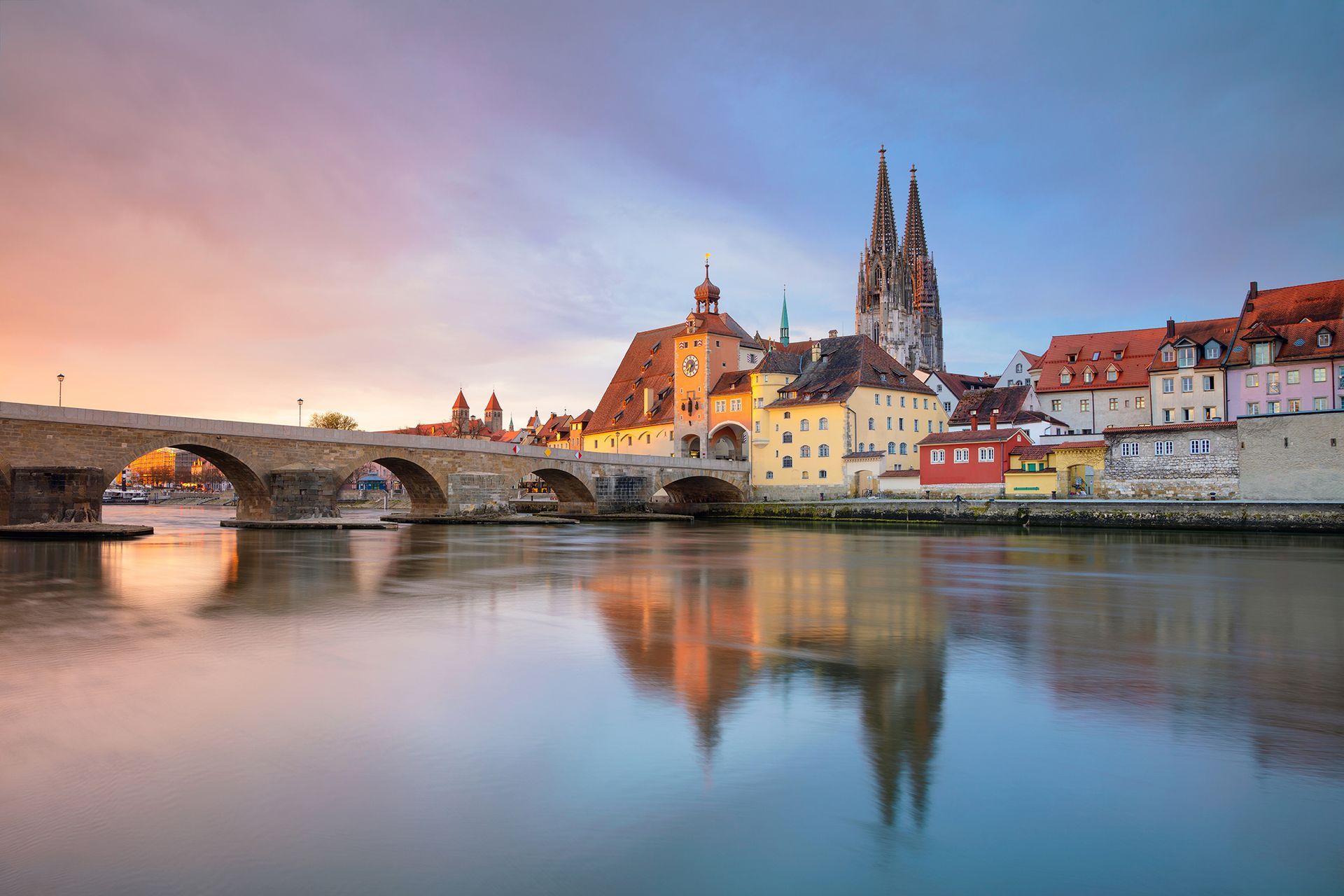
Riverside town with twin church spires, colorful buildings, and boats on a cloudy day
By Stefan Terwindt August 20, 2026
Compare castles, capitals, and costs to decide between the Rhine or Danube for a first European river cruise with this expert guide to lines and itineraries.
Woman in a straw hat overlooking Florence skyline and the Arno River from a viewpoint
By Stefan Terwindt August 14, 2026
Learn how far ahead to book a 2027 Europe trip with this expert guide on flight release windows, hotel deadlines, and peak season reservation strategies.
Woman dining by a canal, looking toward a domed cathedral in Venice
By Stefan Terwindt August 14, 2026
Plan your 2027 luxury getaway with our detailed breakdown of what a custom Europe trip actually costs, covering daily benchmarks for premium accommodations.
Tourists overlooking Florence from a cruise ship dock, with a large ship beside the city skyline.
By Stefan Terwindt August 10, 2026
Decide if professional planning fits your budget by learning when hiring a travel advisor pays off for a Europe trip, and when it doesn’t, based on your needs.
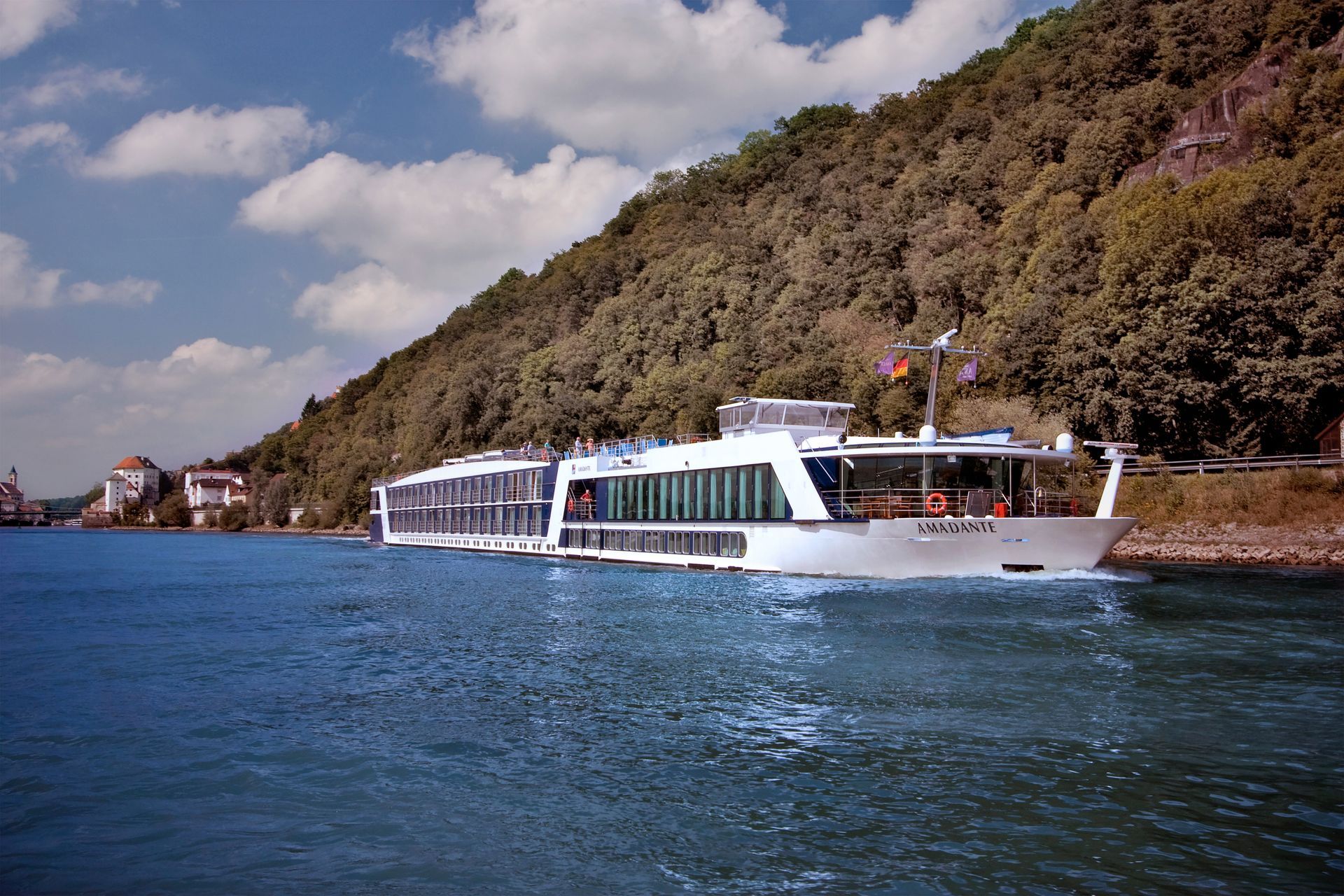
White river cruise boat on a wide blue river beside a green hillside and riverside town
By Stefan Terwindt August 2, 2026
Experience the continent’s hidden gems and medieval landscapes at a slower pace by booking a river cruise to explore Europe’s most iconic waterways today.
Person overlooking the Seine and a stone bridge with the Louvre and cathedral in the background
By Stefan Terwindt August 2, 2026
Learn how to plan a multi-country Europe trip with our expert framework for managing logistics, transit, and budgets to ensure a stress-free adventure.
Elegant marble hallway with ornate golden ceilings, tall columns, and lush potted palms
By Stefan Terwindt July 30, 2026
Discover the best boutique hotels in Europe for 2026. Ditch generic 5-star chains for authentic luxury, unique character, and unforgettable local experiences.
Person standing on a balcony in a tropical, draped bedroom with a canopy bed and ocean view
By Stefan Terwindt July 27, 2026
Wondering how to choose a boutique hotel in Europe? I'll show you how to look past trendy wallpaper to find truly vetted properties that improve your trip.
Tower Bridge lit at dusk over the River Thames, with reflections shimmering on the water.
By Stefan Terwindt July 25, 2026
Master how to plan a multi country trip to Europe in 2026. Use the Anchor & Spoke method for a seamless, premium itinerary with boutique stays.